
Google is rolling out a fully customizable Multiview in YouTube TV and testing new YouTube Live ads
- Posted on April 26, 2026, 9 p.m.
YouTube TV Just Got a Massive Upgrade: Fully Customizable Multiview is Here!
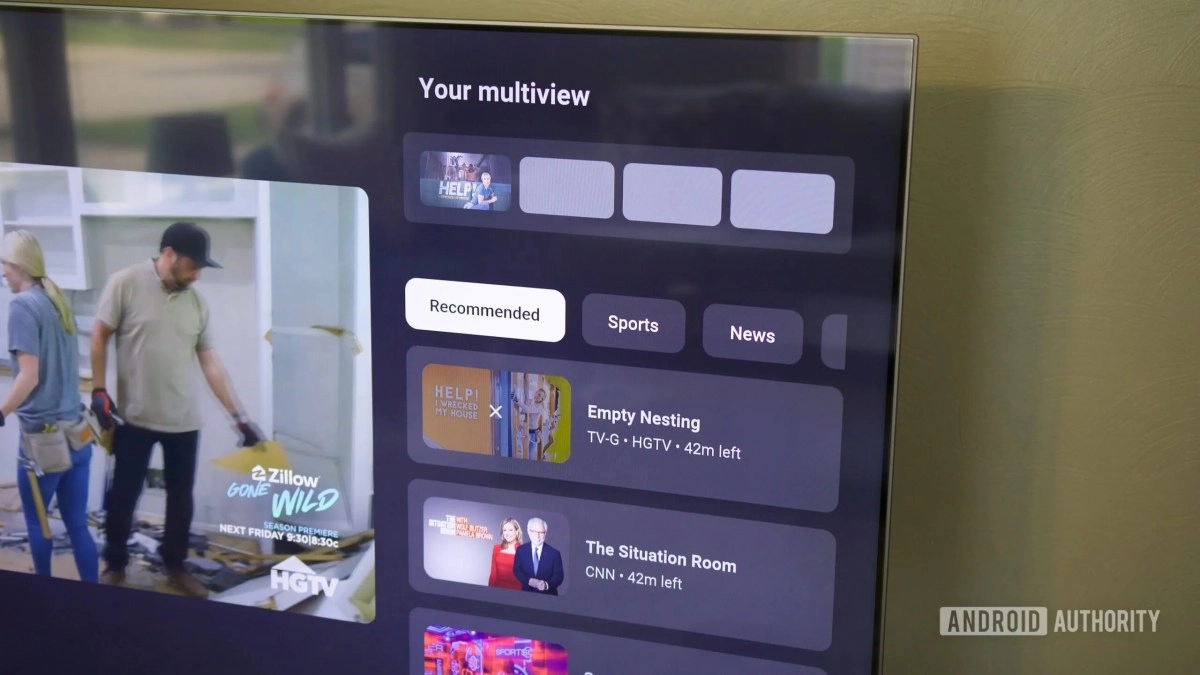
For a long time, YouTube TV offered its innovative Multiview feature primarily through "suggested" layouts, pre-curated by the platform itself. While convenient, this limited user choice. Now, a game-changing update is rolling out: a fully customizable Multiview experience. This means you can finally hand-pick and arrange the live streams you want to watch simultaneously.
This long-awaited enhancement empowers users to create their ideal viewing setup, putting you in complete control of your screen. While the technical complexities of simultaneously managing and decoding multiple streams might have presented initial challenges, Google has delivered. This isn't tied to an app update; it's a server-side rollout, so expect to see this exciting new feature appear on your YouTube TV devices very soon.
Google Experiments with New "Side-by-Side" Ads for YouTube Live Streams
Beyond the Multiview innovation, Google is also actively exploring new ways to monetize live content on YouTube. If you're a regular viewer of YouTube live streams on your TV or desktop, you might have already encountered what Google terms "side-by-side" ads. These advertisements appear discreetly at the bottom of your screen, playing alongside the live stream itself. Crucially, instead of completely interrupting your viewing, they simply mute the live stream's audio for the ad's duration.
This approach aims to be less disruptive, allowing viewers to remain visually engaged with the action, even if the sound is temporarily paused. Depending on the content, this could significantly enhance the ad experience compared to full-screen interruptions. Recognizing the potential of this less intrusive format, Google has confirmed it is now experimenting with these "side-by-side" ad placements on mobile devices as well, expanding their reach and testing user reception across platforms.
Source
0 Responses Write a Response