
Report: TSMC is planning to raise chip prices in 2027
- Posted on July 22, 2026, 1:03 a.m.
Anticipated TSMC Chip Price Increase in 2027 to Reshape Tech Landscape
The global semiconductor market is bracing for another significant shift, with industry giant TSMC reportedly planning a substantial chip price increase slated for 2027. This impending hike, which could be up to 10%, is set to send ripples across the tech ecosystem, directly impacting major clients like Nvidia, Apple, Qualcomm, AMD, and Intel, and inevitably trickling down to consumers.
The proposed increase from the world's leading contract chip manufacturer will specifically target both cutting-edge and established fabrication processes.
- Advanced Nodes: Expect a 5% to 10% surge for the most sophisticated chips, which power the next generation of smartphones, high-performance computing, and AI accelerators.
- Consumer Device Impact: This will translate to higher manufacturing costs for a wide array of consumer electronics, including future smartphones, tablets, laptops, and smartwatches.
Significantly, this isn't solely confined to bleeding-edge technologies. Even established, or "mature," manufacturing nodes—such as 12nm, 16nm, and 28nm, which are crucial for a vast range of products from automotive to IoT devices—are expected to see price adjustments of up to 10%. This broad impact underscores the systemic nature of the cost escalation.
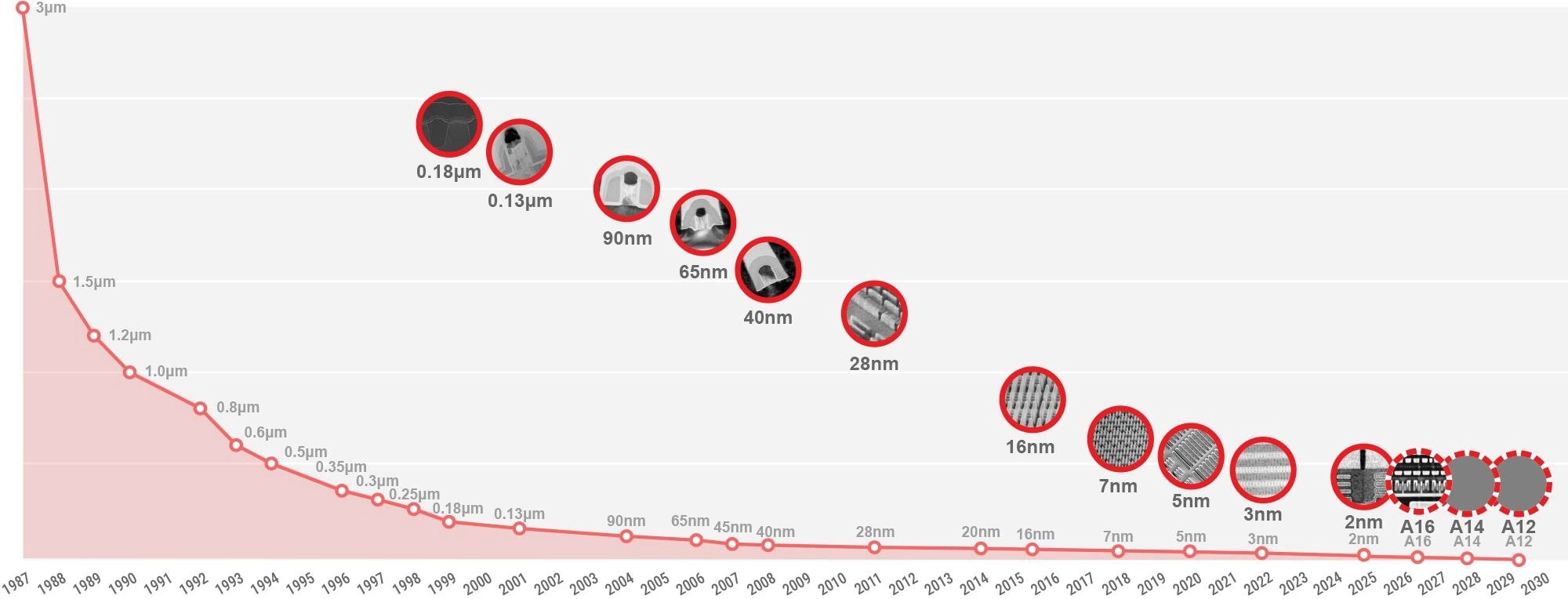
TSMC attributes these impending price revisions to several key factors:
- Escalating Input Costs: A direct reflection of the rising prices for raw materials essential in semiconductor production.
- Manufacturing Equipment Investments: The significant capital outlay required for advanced fabrication machinery continues to climb.
- Global Fab Expansion: Substantial investments in constructing new chip manufacturing facilities outside of Taiwan, vital for supply chain diversification and geopolitical resilience, contribute to overheads.
While the price adjustments are slated to take effect at the beginning of 2027, consumers are likely to experience the full impact on device pricing several months later, once these higher production costs filter through the intricate supply chain. This phased impact provides a brief window for tech companies to strategize their responses.
This proactive move by TSMC is already prompting strategic shifts among its largest customers:
- Apple's Diversification: Tech titan Apple is actively exploring avenues to diversify its chip manufacturing partners, reportedly engaging in discussions with both Intel and Samsung Foundry. This strategy aims to reduce reliance on a single supplier and mitigate future cost pressures.
- Intel's In-housing Drive: Chip giant Intel is reportedly ramping up efforts to insource a significant portion (80-90%) of its compute tile production for upcoming Nova Lake CPUs, planning to utilize its advanced 18A node. This marks a notable shift from previous plans that allocated a larger share (60-70%) to TSMC's N2 process.
- Qualcomm's Samsung Reconsideration: Leading mobile chip designer Qualcomm is also reportedly re-evaluating its foundry strategy, potentially considering a return to Samsung for the production of its next-generation Snapdragon chips.
0 Responses Write a Response