
Fastest mobile chipsets ranked: compare smartphone processor performance
- Posted on June 6, 2026, 9 p.m.
Smartphone Chipset Performance: A 2026 Benchmark Analysis
The sheer power disparity between smartphone processors in 2026 is staggering. Our testing reveals that the leading chipset is approximately 15 times more potent than the weakest silicon found in contemporary devices. Despite this vast difference, both can seamlessly handle the same applications, games, and operating systems, showcasing the immense diversity in mobile silicon development.
While raw processing power is a key indicator, it's crucial to acknowledge that day-to-day user experience is influenced by a complex interplay of factors. Software optimization, effective thermal management, storage speeds, and app efficiency all contribute significantly to perceived device responsiveness. However, for computationally intensive tasks, pure processing prowess remains indispensable.
To cut through the marketing noise, we've focused exclusively on fundamental performance metrics.
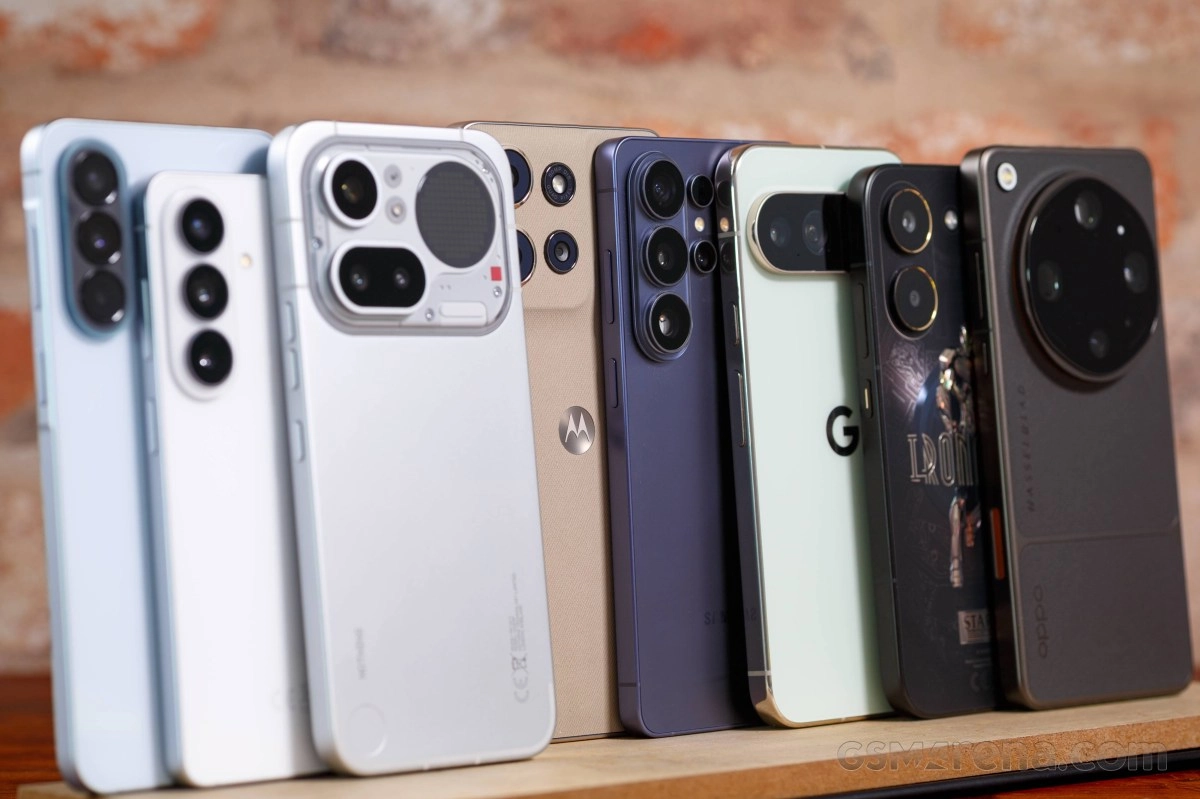
This analysis zeroes in on raw chipset performance, leveraging three core benchmarks from our extensive review database: Geekbench single-core, Geekbench multi-core, and 3DMark Wild Life Extreme. We've deliberately excluded camera processing capabilities, AI advancements, connectivity features, and manufacturer claims. Our comparison encompasses 70 smartphone chipsets evaluated over the past two and a half years, focusing solely on CPU and GPU capabilities.
The data is derived directly from our in-house device reviews, utilizing median scores for chipsets featured in multiple devices. To enhance readability, our tool employs a dynamic 100% baseline system. Selecting any chipset recalculates all other scores relative to it. Detailed benchmark figures are also readily accessible for each individual test.
By default, the "Popular" filter highlights the top 30 most-viewed chipsets based on recent reader interest. You can disable this filter to explore the complete list of evaluated processors.
Let's delve into the findings.
Tip: Click on any row to establish it as the 100% baseline. Hovering over rows provides exact scores and percentages.
As of June 2026, several key trends emerge from the dataset:
The Flagship Tier is Consolidating
Historically, a single manufacturer would often dominate the high-end chip market each generation. Today, however, chipsets like the Snapdragon 8 Elite Gen 5, Dimensity 9500, Exynos 2600, and Apple A19 Pro all reside within the same ultra-high-performance tier. While subtle differences exist, they are not dramatically pronounced. The primary market distinction is now between flagship devices and the rest, rather than between competing flagship vendors.
Apple Continues to Lead in Single-Core Performance
This is one of the clearest observations in our data. The Apple A19 Pro maintains its dominance in single-core performance, even when pitted against Qualcomm's latest offerings. Given the critical role of single-core speed in UI responsiveness, Apple's focus on providing a fluid and instantaneous user experience is evident.
Qualcomm's GPU Prowess is a Key Differentiator
Qualcomm excels in delivering a highly balanced performance profile across both CPU and graphics. The overclocked variant of the Snapdragon 8 Elite Gen 5 leads in both multi-core CPU and GPU benchmarks, with its advantage being more substantial in graphics performance.
MediaTek: A Formidable Midrange Contender
MediaTek has emerged as a significant force, not only competing strongly in the premium segment with the Dimensity 9500 closely trailing Qualcomm's best, but also dominating the midrange. They are effectively pushing near-flagship performance into more affordable price points at an accelerated pace compared to historical trends. Chipsets like the Dimensity 8400 offer impressive GPU capabilities at remarkably competitive prices.
Samsung's Exynos Makes a Strong Comeback
The benchmark results position the Exynos 2600 firmly within flagship territory. It's no longer a mere acceptable alternative but a genuine contender, achieving parity with Qualcomm that previous Exynos generations couldn't match. The long-standing narrative of avoiding Exynos is becoming increasingly difficult to justify based purely on performance metrics.
Tensor: An Outlier in the Flagship Race
Google's Tensor chip lineup remains a distinct entity in the flagship chipset landscape. While the latest Tensor G5 offers respectable CPU scores, the GPU performance gap compared to its flagship rivals is substantial. Google clearly prioritizes other aspects over benchmark leadership. The data suggests Tensor chips perform closer to premium mid-range silicon, despite their placement in flagship devices. Interestingly, reports of user dissatisfaction with everyday performance in Pixel devices are not widespread, indicating that current user needs are met even without top-tier benchmark scores.
GPU Advancements Outpace CPU Growth
The most significant takeaway from our analysis is the dramatic leap in GPU performance. While CPU performance has seen steady, generational improvements, GPU scaling has been extraordinary. The overclocked Snapdragon 8 Elite Gen 5 Leading Edition, as tested in the RedMagic 11S Pro, delivers approximately 5,600% more graphics performance than the Snapdragon 4s Gen 2, which ranks at the lower end of our 3DMark results.
A Significant Gap in the Low-End Market
The chipset market's scaling is no longer uniform. The performance difference between upper-midrange and flagship chips has narrowed considerably, while the low-end segment has seen minimal improvement. Midrange chipsets are advancing upwards more rapidly than entry-level chips are improving. Consequently, users can achieve a significantly better experience by opting for devices slightly above the ultra-affordable tier. It remains remarkable that current applications are still capable of running on processors like the Helio G81 or the Snapdragon 4s Gen 2, which offer only about 10% of the performance of the Snapdragon 8 Elite Gen 5.
Source
0 Responses Write a Response