
Weekly poll: Are you using smart glasses?
- Posted on Aug. 2, 2026, 7 a.m.
The Future is Here (or Almost): Are Smart Glasses Part of Your Daily Tech Arsenal?
Smartphones have dominated our digital lives for years, becoming indispensable tools. However, the relentless pace of technological innovation means new devices are constantly vying for our attention. For a while now, smart glasses have been touted as the "next frontier" in personal tech.
Major tech companies are investing heavily, each with their unique vision and varying degrees of market penetration. This leads us to a crucial question: are you incorporating smart glasses into your everyday routine?
Among the current offerings, AI glasses stand out for their subtlety and growing popularity. The Ray-Ban Meta collection is a prime example. These stylish smart glasses forgo built-in screens, focusing instead on ambient computing.
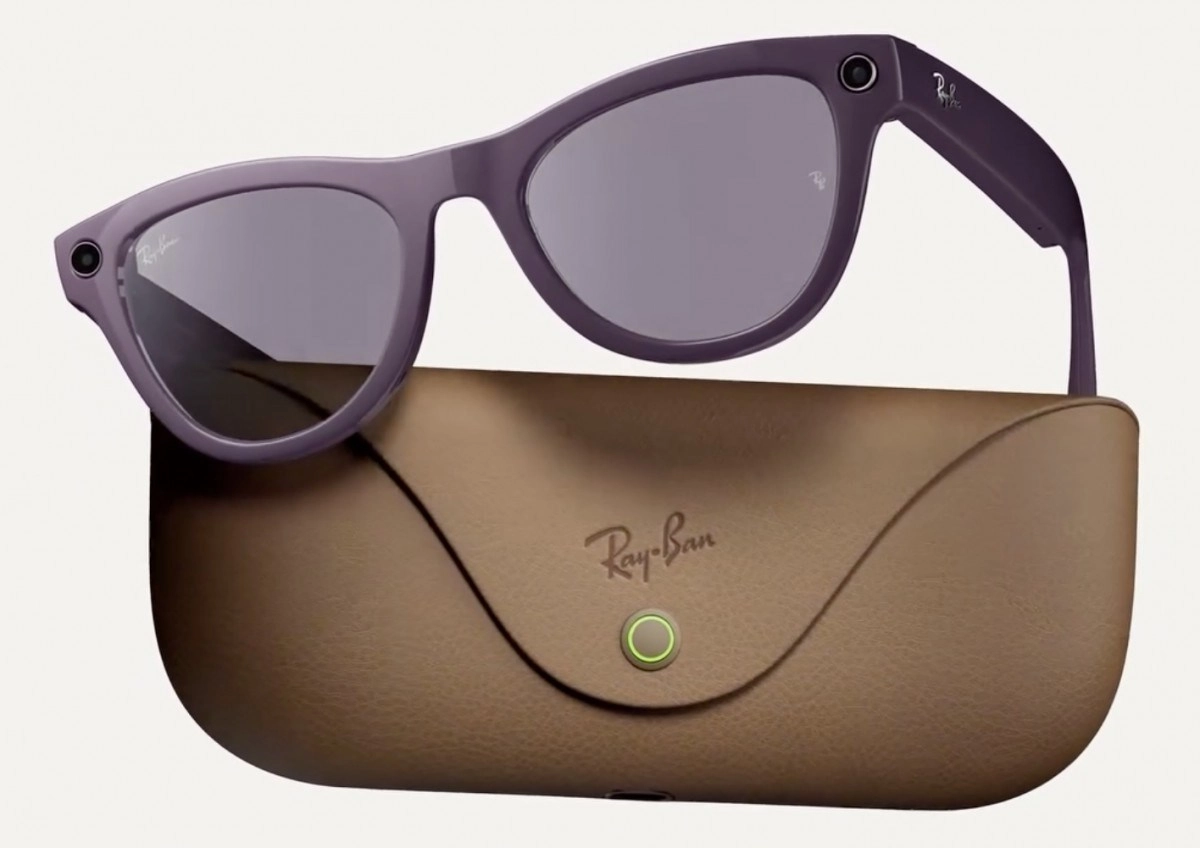
Designed to resemble conventional eyewear, they offer hands-free AI assistance, integrated speakers, and cameras. This allows users to capture video, manage calls, receive navigation prompts, and interact with their chosen AI assistant – all without reaching for their phone.
Samsung has also entered the AI glasses arena, showcasing its latest iteration, which we had the opportunity to experience firsthand following their Galaxy Unpacked event.
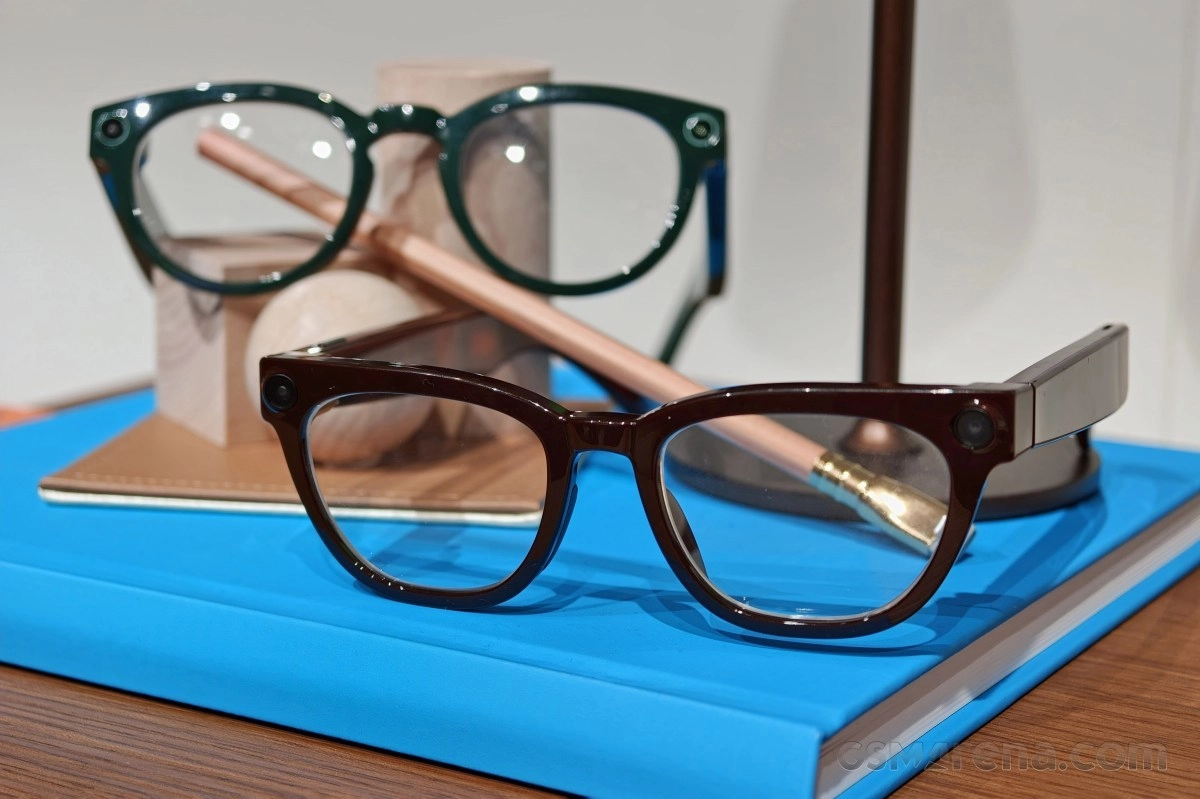
Furthermore, Apple is widely anticipated to unveil its own AI glasses, potentially by next year's WWDC. When Apple enters a new product category, it invariably sparks significant consumer interest and adoption.
Beyond AI-focused models, more advanced options are emerging. Meta's Ray-Ban Display glasses build upon the standard version by incorporating a vibrant color heads-up display within the right lens. This integration unlocks a new realm of possibilities, from seamless navigation guidance to spontaneous video calls and real-time language translation, all without direct interaction with a physical screen.
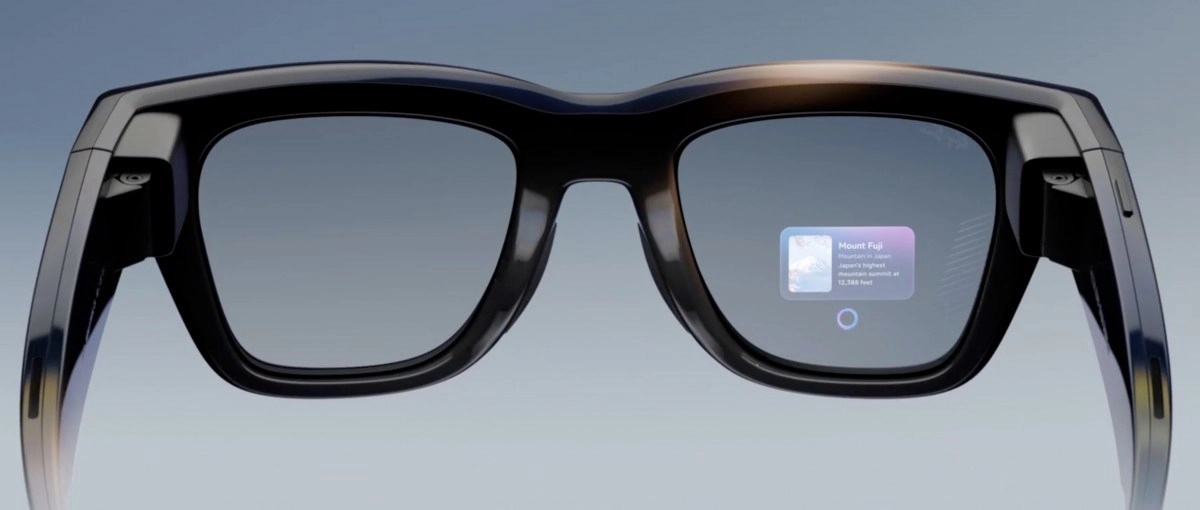
For those seeking an even more immersive experience, augmented reality (AR) smart glasses like the Xreal Air are available. These project an Optical See-Through (OST) display, enabling you to run applications or simply enjoy media content.
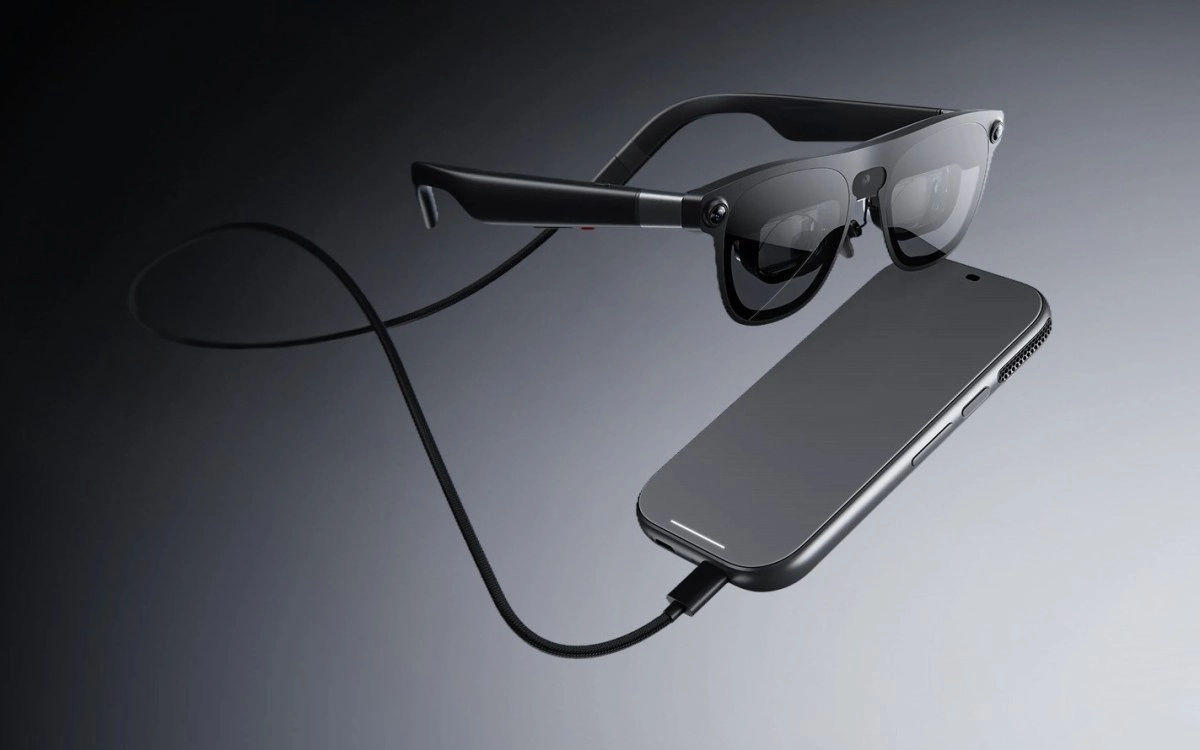
These advanced AR glasses run on Android XR, ensuring compatibility with a vast array of apps. However, they typically require a wired connection to a separate compute puck, which also houses the battery. This setup makes them considerably more substantial and less portable than their display-less AI counterparts.
Source
0 Responses Write a Response