
Our Redmi Note 17 4G battery life and charging tests are ready
- Posted on Oct. 4, 2026, 1 p.m.
Redmi Note 17 4G Battery Life and Charging: In-Depth Analysis
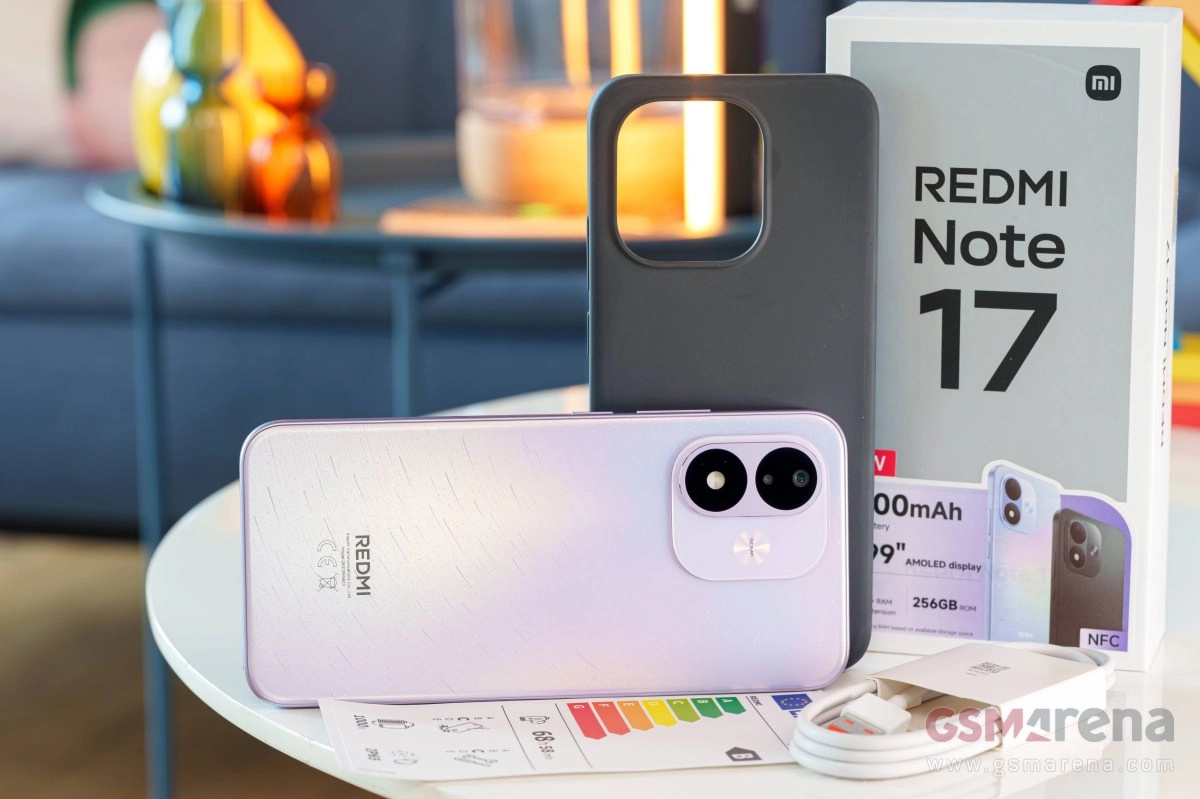
Does the market still have room for 4G smartphones? Xiaomi seems to believe so with the introduction of the Redmi Note 17 4G. Following our comprehensive review of its 5G counterpart's battery performance, we're now diving into a direct comparison, alongside other relevant models, to assess the Redmi Note 17 4G's endurance and charging capabilities.
While our ideal comparison would focus solely on 4G devices, the landscape of smartphone reviews means we often find ourselves juxtaposing 4G models with their 5G siblings. This article aims to provide a clear picture of where the Redmi Note 17 4G stands.
Redmi Note 17 4G vs. 5G: A Tale of Two Chipsets
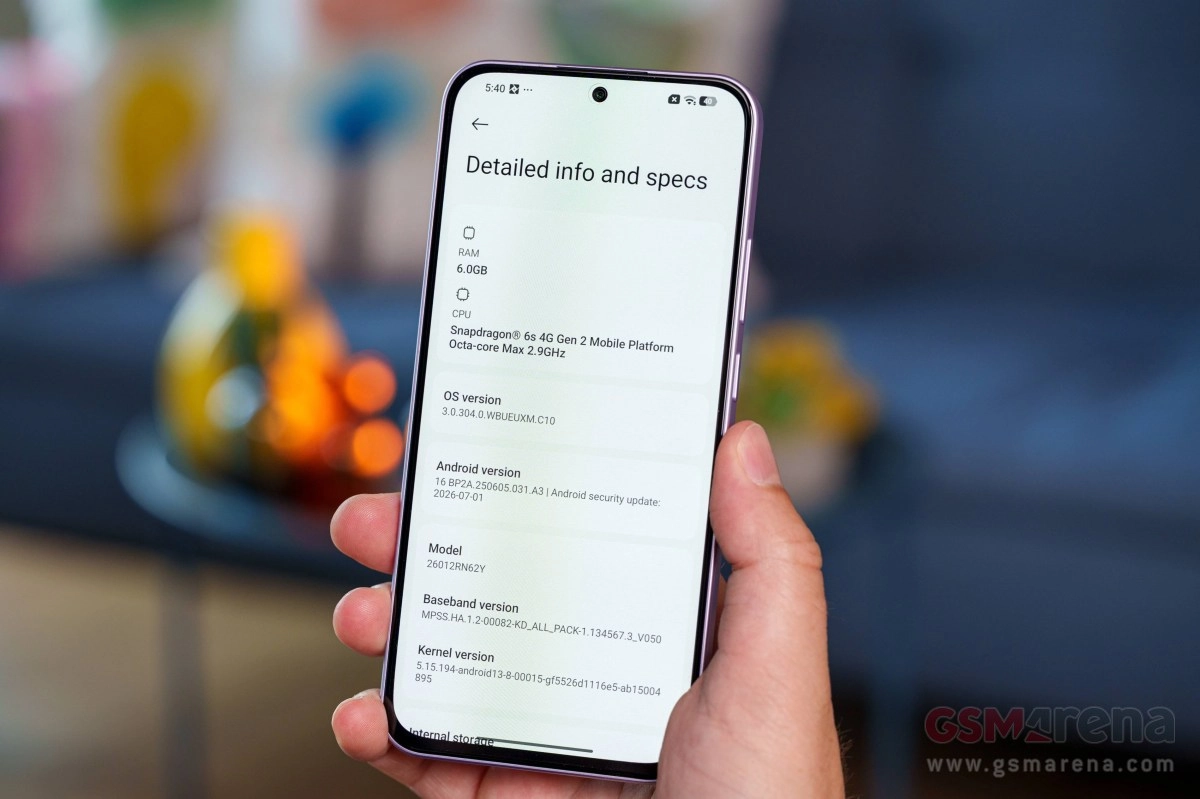
As promised, we begin by pitting the Redmi Note 17 4G against its 5G variant. The core hardware remains largely identical, with the primary divergence lying in their chipsets. The 4G model is powered by a 6nm Snapdragon 6s 4G Gen 2, while the 5G version features a more efficient 4nm Snapdragon 4 Gen 4. Both devices boast impressive 7,700mAh Si/C batteries, support 45W charging, and sport expansive 6.99-inch displays with a 1080p+ resolution and a fluid 120Hz refresh rate.
Generational Battery Comparisons: Note 17 vs. Note 15
This year, Xiaomi opted against a 4G Pro variant, but its predecessor, the Redmi Note 15 Pro 4G, offers an interesting point of comparison. Despite a smaller 6.77-inch screen and a 6,500mAh battery, its Active Use Score was remarkably close to the Note 17 4G. However, its Helio G200 Ultra (6nm) chipset didn't perform as strongly in gaming and web browsing benchmarks.
The Redmi Note 17 Pro, exclusively a 5G model, features an even larger 8,340mAh battery. Yet, its Active Use Score falls short of both the vanilla Note 17 models.
Looking back at the previous generation, the Redmi Note 15 4G and 5G models had 6,000mAh and 5,520mAh batteries respectively, paired with 33W and 45W charging. This meant the older 4G model offered a larger battery with slower charging compared to its 5G sibling. The Redmi Note 17 generation, however, brings both the 4G and 5G models on par in these aspects.
Charging Speed: A Closer Look
After a brief 15-minute charge, both the Redmi Note 17 4G and 5G reached 23% battery. At the 30-minute mark, they remained neck-and-neck, with only minor variations due to rounding.
Interestingly, the older Redmi Note 15 Pro 4G, despite its smaller 6,500mAh battery and identical 45W charging capability, did not achieve a significantly faster charge time. In contrast, the new Redmi Note 17 Pro (5G) benefits from a larger battery (+8%) and faster charging (+49%). These factors balance out, resulting in a charging level comparable to the vanilla Redmi Note 17 models. While percentages might seem disproportionate, the actual charging curve, rather than just peak wattage, dictates the overall charging duration.
Full Charge Times and Charging Performance
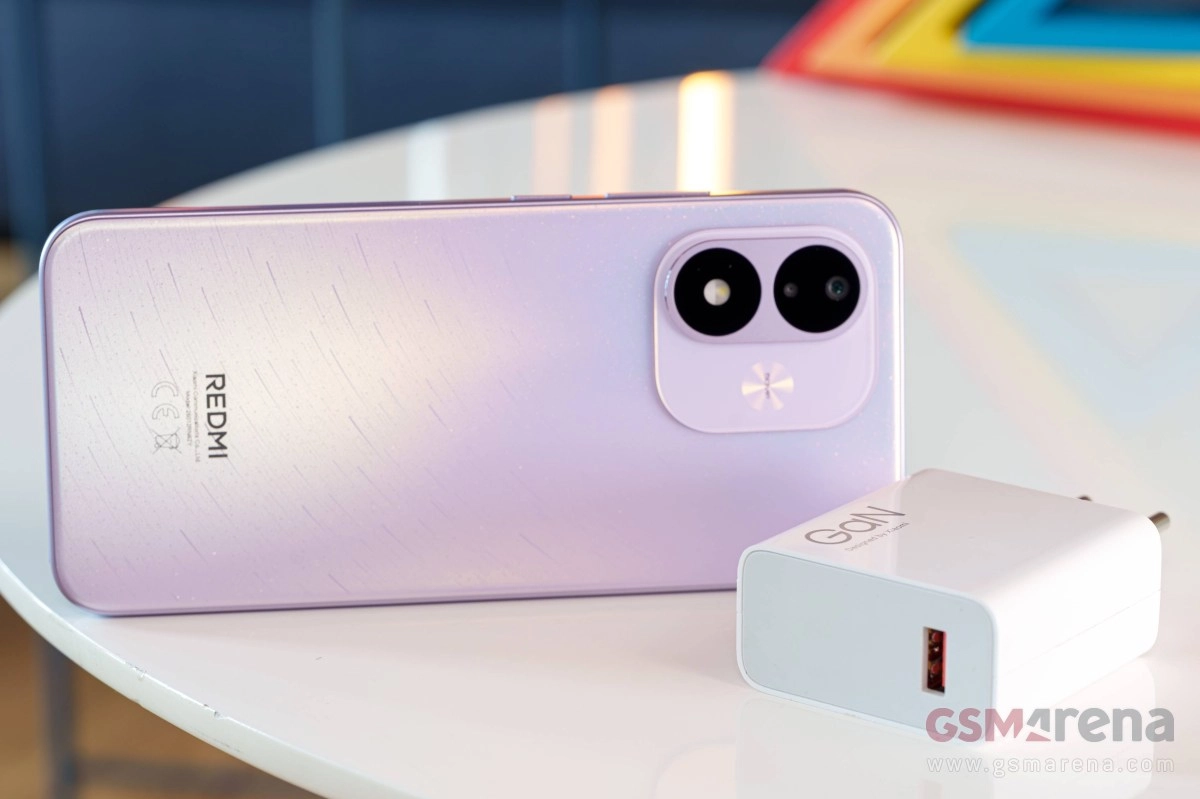
The Redmi Note 17 4G required a full hour and a half to reach 100% charge. The 5G model shaved off three minutes, a negligible difference likely within the margin of error and unlikely to be influenced by the different chipsets.
The Redmi Note 17 Pro (8,340mAh, 67W) outpaced the Realme 16T (8,000mAh, 45W) in full charge time, despite its larger battery capacity. We believe the vanilla Note 17 models could have benefited from 67W charging support, as a 1.5-hour charging time feels rather sluggish in today's market.
Chipset and Camera: A Step Backwards?
The Redmi Note 17 4G's adoption of the Snapdragon 6s 4G Gen 2 chipset represents a downgrade from the Redmi Note 15 4G, which utilized the Helio G100 Ultra that demonstrated superior benchmark performance. This can be viewed as a step backward or, at best, a side-grade.
Furthermore, the main camera has been reduced from a 108MP module (1/1.67”) in the older model to a more basic 50MP sensor (1/2.76”). While the new model sports a larger 6.99-inch display compared to the Note 15's 6.77 inches, the decision of whether this oversized form factor (79.1mm width!) constitutes an upgrade is subjective.
Conclusion: Is the 4G Worth It?
In our assessment, the larger battery capacity of the Redmi Note 17 4G provides a noticeable improvement in battery life, which is a definite plus. However, the 5G version offers even greater endurance and matches the 4G model's charging speed – a speed we still feel could be enhanced.
While there is a price difference between the 4G and 5G models, the enhanced performance and extended battery life of the Redmi Note 17 5G make it a compelling choice. If the 5G model doesn't suit your needs, the Poco M8 Pro is another option. The Redmi Note 17 4G, in its current iteration, feels somewhat out of place and behind the times.
Source
0 Responses Write a Response