
Weekly poll: Nothing Phone (4a) and Phone (4a) Pro await your approval
- Posted on March 15, 2026, 9 a.m.
Nothing Phone (4a) & (4a) Pro: Mid-Range Challengers Emerge - Your Vote Counts!
Nothing continues to solidify its reputation in the mid-range smartphone market, and the latest generation, the Nothing Phone (4a) series, has officially landed. While the standard model is now in users' hands, the more premium (4a) Pro is opening its pre-order gates, promising a distinct upgrade for those willing to invest a little more.
A significant advancement for the Nothing Phone (4a) is the inclusion of a 50MP telephoto lens. This 3.5x optical zoom (80mm equivalent) effectively bridges a key gap, bringing its camera capabilities closer to its Pro sibling. Last year, a superior camera setup was a primary differentiator that justified the Pro model's higher price tag.
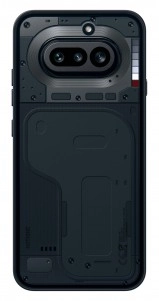
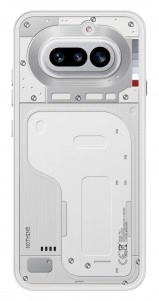
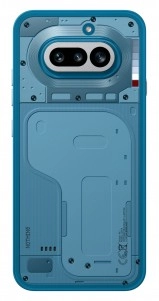
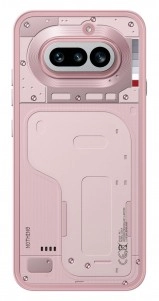
This year, the divergence between the two models leans heavily into build materials and raw performance. The standard Nothing Phone (4a) offers a modest performance bump over its predecessor. While it boasts faster UFS 3.1 storage, the Snapdragon 7s Gen 4 chipset provides only a marginal improvement over the 7s Gen 3. Furthermore, it utilizes older LPDDR4X RAM.
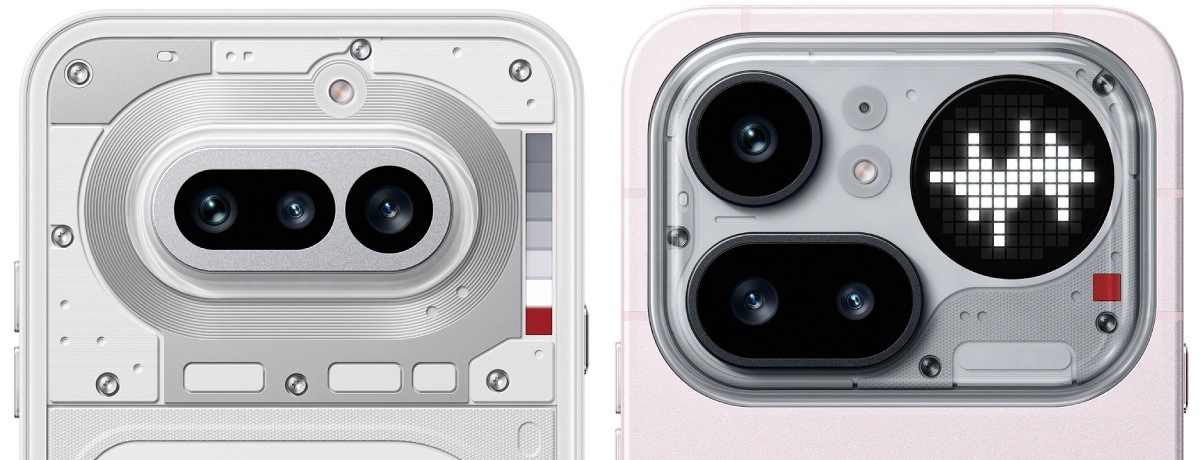
In contrast, the Nothing Phone (4a) Pro introduces an aluminum frame, a first for the a-series. Coupled with the distinctive Glyph Matrix display on its rear, it adopts a design language more akin to last year's flagship Phone (3) than a typical a-series device. The regular (4a), while featuring a plastic construction, still delivers a robust feel.
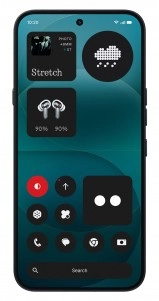
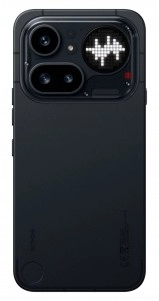
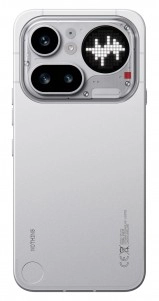
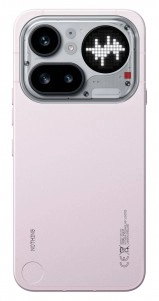
The Pro model also features the more powerful Snapdragon 7 Gen 4 processor. This translates to a more noticeable leap in performance, particularly in graphics-intensive tasks. This enhanced processing power is further supported by faster LPDDR5X RAM and an integrated vapor chamber for superior cooling.
While other distinctions exist, the primary decision-making factors between the Nothing Phone (4a) and its Pro counterpart will likely be its premium build and upgraded chipset. The Glyph interfaces also differ significantly – a simple bar on the (4a) versus a dot-matrix display on the (4a) Pro. However, it's debatable whether these intricate Glyph designs are a major draw for anyone beyond the most dedicated Nothing enthusiasts. Are we overlooking something crucial?
We're curious to hear your thoughts. Does the Nothing Phone (4a) strike the right balance for your needs?
Or, is the allure of the Nothing Phone (4a) Pro and its enhancements worth the additional investment?
Source
0 Responses Write a Response