
Here's what Google's NameDrop clone for Android will be called
- Posted on April 11, 2026, 3 p.m.
Google's "Tap to Share" for Android: A Closer Look at the NameDrop Alternative
Google is reportedly gearing up to launch its own take on Apple's popular NameDrop feature, designed for seamless content sharing between Android devices. Previously speculated and even glimpsed in action, the functionality is now taking shape with newly discovered UI elements that reveal its intended name: Tap to Share.
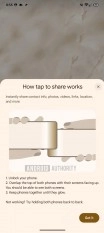
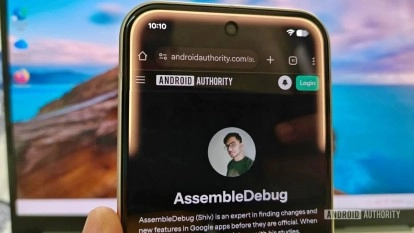
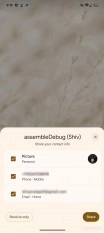
This straightforward name, "Tap to Share," is more descriptive than Apple's "NameDrop," which, while evocative of contact sharing, might not fully convey its capability for sharing files, photos, and other data. The leaked interface elements showcase the user experience, from the initial setup to the final confirmation screen.
The left image provides a concise explanation of the sharing process. In the center, a visual animation, described as a 'glow,' indicates the active sharing connection. The rightmost image displays the refined contact sharing screen, which has seen iterative improvements during Google's development cycle.
To leverage Tap to Share for sending a variety of content – including contact information, photos, videos, links, locations, and "more" – users will need to ensure their phones are unlocked and positioned with screens facing upwards, overlapping each other. A visual "glow" animation will signify a successful connection. If the initial tap doesn't initiate the transfer, Google suggests an alternative: holding the phones back-to-back. This secondary method is a workaround for the inconsistent placement of NFC chips across different Android manufacturers.
The exact rollout timeline for Tap to Share remains unconfirmed. However, it's plausible that Google might initially offer this feature exclusively on its Pixel devices before a wider release to other Android manufacturers, a common strategy for Google's software innovations. The functionality could potentially be integrated into future Android versions, perhaps even Android 17.
Source
0 Responses Write a Response