
Here's how Apple circumvented the battery shipping restrictions for iPhone 18 Pro Max
- Posted on Sept. 19, 2026, 5 p.m.
Apple's Ingenious Solution to 20Wh Battery Shipping Restrictions for iPhone 18 Pro Max
Global shipping regulations for batteries can be a significant hurdle for smartphone manufacturers. Specifically, a 20Wh threshold for single-cell batteries posed a challenge, forcing companies to either split batteries or limit their capacity for certain markets like Europe and the USA. However, Apple has unveiled a remarkably clever software-based workaround for its latest iPhone 18 Pro Max.
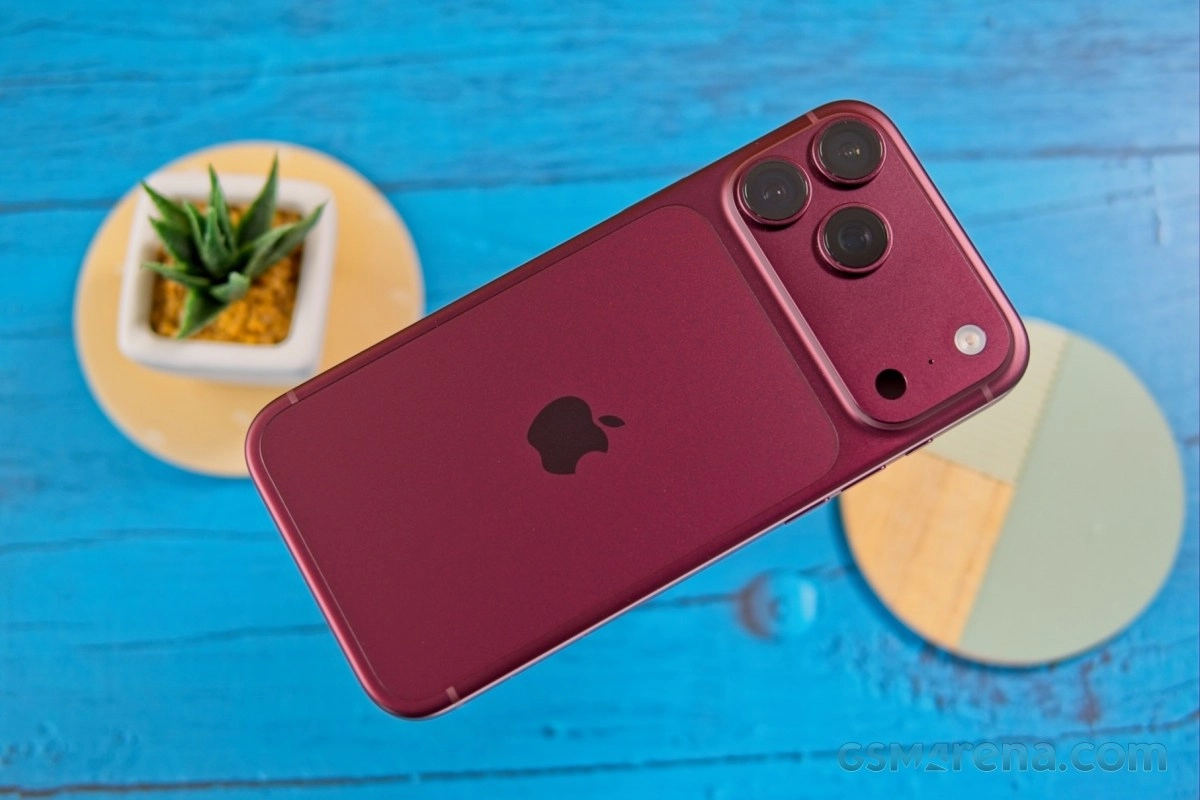
The secret to Apple's compliance lies within the iPhone 18 Pro Max's support documentation. The company has implemented a software limitation that caps the battery charge below the 20Wh threshold during initial setup. This effectively restricts the battery's usable capacity for shipping purposes. Once the iPhone is activated for the first time, this software limitation is lifted, allowing users to access the battery's full, higher capacity. For instance, the eSIM-only model destined for the US boasts a rated capacity of 5,567mAh (21.75Wh). The European version, featuring a physical SIM card slot, has a slightly smaller but still compliant capacity of 5,391 mAh (21.06Wh).
It's important to note that these are the rated battery capacities. This figure differs from how many Android manufacturers advertise their battery sizes, which often use a typical capacity metric. Therefore, direct comparisons between Apple and Android battery specs should be made with this distinction in mind.
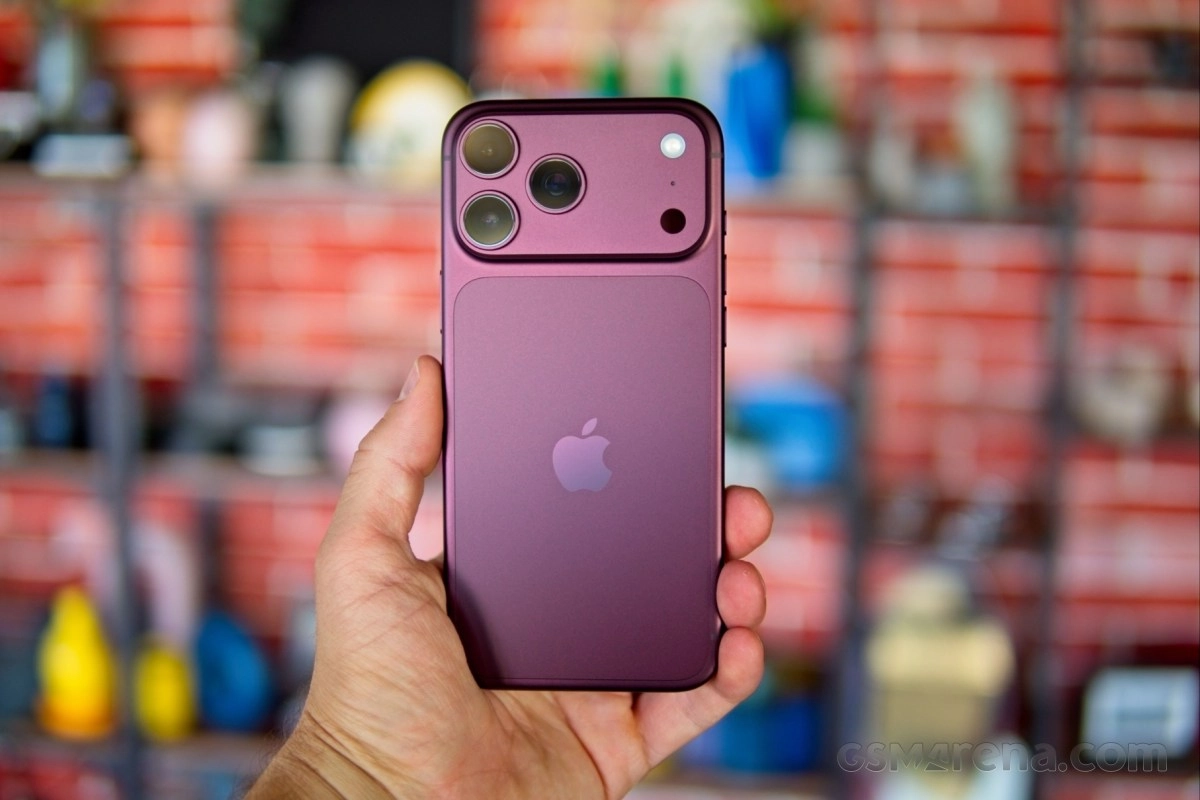
This innovative shipping method received explicit approval from the US transport regulator back in June 2025. While major international regulatory bodies like ADR, IATA, and ICAO have yet to issue official statements, the fact that the iPhone 18 Pro lineup is already available for purchase in the EU suggests their tacit acceptance.
Adding to the flexibility, Apple's software approach allows users to re-enable this shipping-friendly limitation if they plan to transport the device overseas. This feature can be toggled off once the phone has reached its destination.
Apple's pioneering approach is likely to pave the way for other manufacturers. We anticipate seeing more smartphones with larger batteries entering European and US markets with fewer regulatory obstacles. This could potentially put an end to the practice of releasing distinct phone versions for different regions, simplifying the global smartphone landscape.
Source
0 Responses Write a Response