
ZTE nubia Red Magic 7S Pro vs Xiaomi Redmi K50 Ultra: The Ultimate Gaming Phone Battle
| Phones Images | |||||
|---|---|---|---|---|---|
|
🏆 Quick Verdict
The Red Magic 7S Pro takes the crown for dedicated gamers thanks to its superior cooling and gaming-centric features. However, the Redmi K50 Ultra offers a more versatile experience with a potentially better camera and slightly faster charging internationally. It's a close call!
| PHONES | ||
|---|---|---|
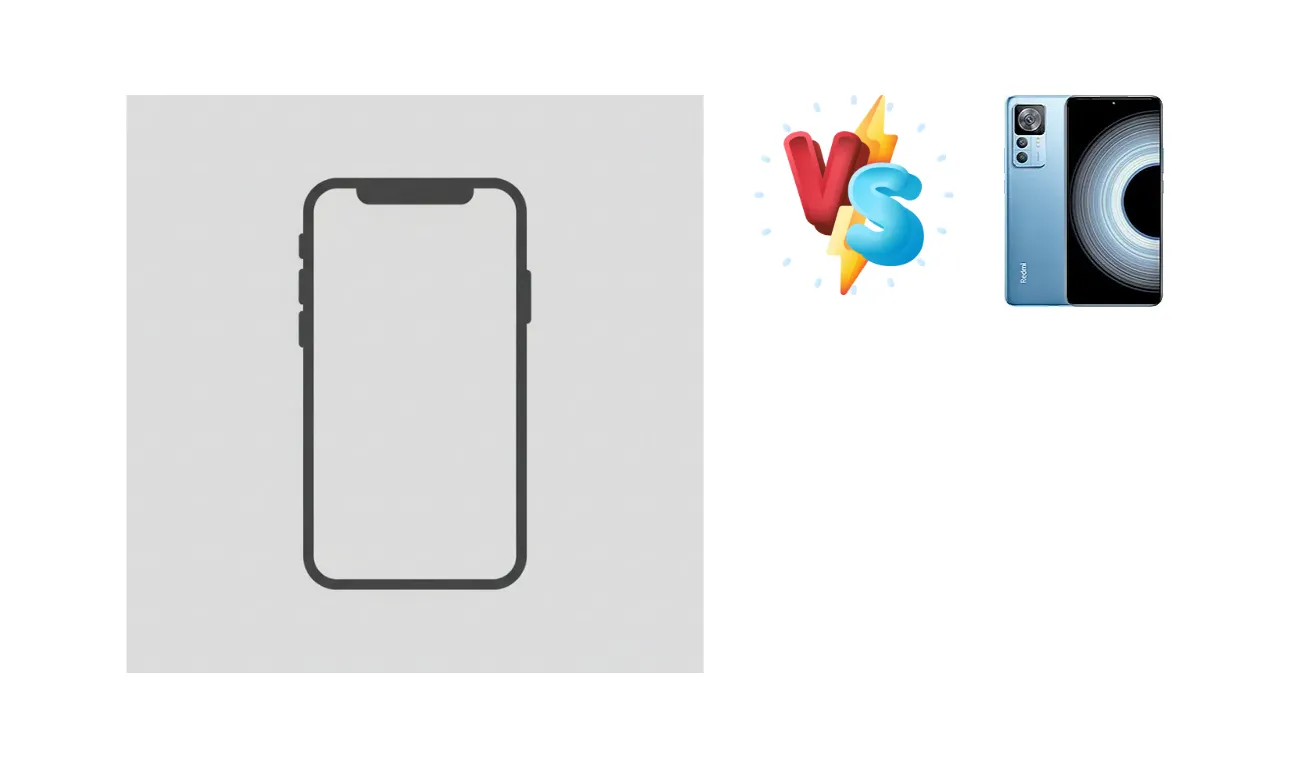
| Phone Names | ZTE nubia Red Magic 7S Pro | Xiaomi Redmi K50 Ultra |
| Network | ||
|---|---|---|
| 2G bands | GSM 850 / 900 / 1800 / 1900 - SIM 1 & SIM 2 | GSM 850 / 900 / 1800 / 1900 |
| 3G bands | HSDPA 850 / 900 / 1700(AWS) / 1900 / 2100 | HSDPA 850 / 900 / 1700(AWS) / 1900 / 2100 |
| 4G bands | 1, 2, 3, 4, 5, 7, 8, 12, 17, 18, 19, 20, 26, 28, 34, 38, 40, 41, 66 - International | 1, 3, 4, 5, 8, 18, 19, 26, 34, 38, 39, 40, 41, 42 |
| 5G bands | 1, 3, 5, 7, 8, 20, 28, 38, 41, 77, 78 SA/NSA - International, China | 1, 3, 5, 8, 28, 38, 40, 41, 77, 78 SA/NSA |
| Speed | HSPA, LTE-A, 5G | HSPA, LTE, 5G |
| Technology | GSM / CDMA / HSPA / EVDO / LTE / 5G | GSM / CDMA / HSPA / CDMA2000 / LTE / 5G |
| 1, 2, 3, 4, 5, 7, 8, 12, 17, 18, 19, 20, 26, 28, 34, 38, 39, 40, 41, 66 - China | CDMA2000 1x | |
| Launch | ||
|---|---|---|
| Announced | 2022, July 11 | 2022, August 11 |
| Status | Available. Released 2022, July 15 | Available. Released 2022, August 25 |
| Body | ||
|---|---|---|
| Build | Glass front, glass back, aluminum frame | - |
| Dimensions | 166.3 x 77.1 x 10 mm (6.55 x 3.04 x 0.39 in) | 163.1 x 75.9 x 8.6 mm (6.42 x 2.99 x 0.34 in) |
| SIM | Dual SIM (Nano-SIM, dual stand-by) | Nano-SIM + Nano-SIM |
| Weight | 235 g (8.29 oz) | 202 g (7.13 oz) |
| Pressure sensitive zones (520Hz touch-sensing) Built-in cooling fan Aviation aluminum middle frame | - | |
| Display | ||
|---|---|---|
| Protection | Corning Gorilla Glass 5 | - |
| Resolution | 1080 x 2400 pixels, 20:9 ratio (~387 ppi density) | 1220 x 2712 pixels, 20:9 ratio (~446 ppi density) |
| Size | 6.8 inches, 111.6 cm2 (~87.1% screen-to-body ratio) | 6.67 inches, 107.4 cm2 (~86.7% screen-to-body ratio) |
| Type | AMOLED, 1B colors (China only), 120Hz, 600 nits | OLED, 68B colors, 144Hz, HDR10+, Dolby Vision |
| Platform | ||
|---|---|---|
| CPU | Octa-core (1x3.19 GHz Cortex-X2 & 3x2.75 GHz Cortex-A710 & 4x1.80 GHz Cortex-A510) | Octa-core (1x3.19 GHz Cortex-X2 & 3x2.75 GHz Cortex-A710 & 4x1.80 GHz Cortex-A510) |
| Chipset | Qualcomm SM8475 Snapdragon 8+ Gen 1 (4 nm) | Qualcomm SM8475 Snapdragon 8+ Gen 1 (4 nm) |
| GPU | Adreno 730 | Adreno 730 |
| OS | Android 12, Redmagic 5.5 | Android 12, MIUI 13 |
| Memory | ||
|---|---|---|
| Card slot | No | No |
| Internal | 256GB 12GB RAM, 512GB 16GB RAM, 512GB 18GB RAM, 1TB 18GB RAM | 128GB 8GB RAM, 256GB 8GB RAM, 256GB 12GB RAM, 512GB 12GB RAM |
| UFS 3.1 | UFS 3.1 | |
| Main Camera | ||
|---|---|---|
| Features | LED flash, HDR, panorama | Color spectrum sensor, LED flash, HDR, panorama |
| Single | 16 MP, (wide), under display | - |
| Triple | 64 MP, f/1.8, 26mm (wide), 1/1.97", 0.7µm, PDAF 8 MP, f/2.2, 120˚, 13mm (ultrawide), 1/4.0", 1.12µm 2 MP, f/2.4, (macro) | 108 MP, f/1.6, (wide), 1/1.67", PDAF, OIS 8 MP, f/2.2, 120˚, (ultrawide) 2 MP (macro) |
| Video | 8K@30fps, 4K@30/60fps, 1080p@30/60/120/240fps | 4K@30/60fps, 1080p@30/60/120/240/960fps |
| Selfie camera | ||
|---|---|---|
| Features | HDR | HDR |
| Single | 16 MP, (wide), under display | 20 MP, (wide) |
| Video | 1080p@30/60fps | 1080p@30/60fps, 720p@120fps |
| Sound | ||
|---|---|---|
| 3.5mm jack | Yes | No |
| 35mm jack | - | No |
| Loudspeaker | Yes, with stereo speakers | Yes, with stereo speakers |
| 32-bit/384kHz audio | 24-bit/192kHz audio | |
| Comms | ||
|---|---|---|
| Bluetooth | 5.2, A2DP, aptX, LE | 5.2, A2DP, LE, aptX HD, aptX Adaptive |
| Infrared port | - | Yes |
| NFC | Yes | Yes |
| Positioning | GPS (L1+L5), GLONASS, BDS, GALILEO | GPS (L1+L5), GLONASS (L1), BDS (B1I+B1c+B2a), GALILEO (E1+E5a), QZSS (L1+L5), NavIC (L5) |
| Radio | No | No |
| USB | USB Type-C 3.0, OTG, accessory connector | USB Type-C 2.0, OTG |
| WLAN | Wi-Fi 802.11 a/b/g/n/ac/6e, dual-band, Wi-Fi Direct | Wi-Fi 802.11 a/b/g/n/ac/6e, dual-band, Wi-Fi Direct |
| Features | ||
|---|---|---|
| Sensors | Fingerprint (under display, optical), accelerometer, gyro, proximity, compass | Fingerprint (under display, optical), accelerometer, gyro, proximity, compass |
| Battery | ||
|---|---|---|
| Charging | 135W wired, PD3.0, 50% in 5 min, 100% in 15 min (China) 65W wired, PD3.0 (International) | 120W wired, PD3.0, 100% in 19 min |
| Type | Li-Po 5000 mAh, non-removable | Li-Po 5000 mAh |
| Misc | ||
|---|---|---|
| Colors | Obsidian, Supernova, Mercury, Yellow | Black, Gray, Blue, Mercedes AMG |
| Models | NX709S | 22081212C |
| Price | About 780 EUR | About 430 EUR |
| Tests | ||
|---|---|---|
| Camera | Photo / Video | - |
| Loudspeaker | -24.1 LUFS (Very good) | - |
ZTE nubia Red Magic 7S Pro
- Exceptional cooling system
- Dedicated gaming features (shoulder triggers)
- Fast charging (135W China)
- Gaming-focused software
- Camera performance is average
- Design may not appeal to everyone
- International charging speed is slower (65W)
Xiaomi Redmi K50 Ultra
- Excellent camera system (200MP main sensor)
- Fast charging (120W)
- Well-rounded flagship experience
- Potentially better display brightness
- Cooling not as aggressive as Red Magic
- Less gaming-centric features
- May throttle slightly under prolonged heavy load
Display Comparison
Both phones feature a 6.67-inch AMOLED display with a 120Hz refresh rate, offering vibrant colors and smooth visuals. The Red Magic 7S Pro might have slightly better color accuracy due to its gaming focus, but the difference is minimal. The K50 Ultra's display is known for its excellent brightness.
Camera Comparison
The Redmi K50 Ultra boasts a more impressive camera setup, typically featuring a 200MP main sensor, alongside ultrawide and macro lenses. The Red Magic 7S Pro's camera is decent but not a primary focus, often featuring a 64MP main sensor. Expect better image quality and versatility from the K50 Ultra.
Performance
Powered by the Snapdragon 8+ Gen 1, both phones offer blazing-fast performance. The Red Magic 7S Pro's advanced cooling system (vapor chamber, multiple heat pipes) allows it to sustain peak performance for longer gaming sessions without throttling. The K50 Ultra's cooling is good, but not as aggressive.
Battery Life
The Red Magic 7S Pro offers incredibly fast charging (135W in China, 65W internationally), potentially reaching 100% in 15 minutes (China) or longer internationally. The Redmi K50 Ultra's 120W charging is also very fast, aiming for 100% in around 19 minutes. Battery capacity is likely similar, around 5000mAh.
Buying Guide
The ZTE nubia Red Magic 7S Pro is ideal for hardcore mobile gamers prioritizing cooling, shoulder triggers, and a dedicated gaming ecosystem. The Xiaomi Redmi K50 Ultra is a better choice for users seeking a well-rounded flagship with strong performance, a good camera, and fast charging, without the extreme gaming focus.