
ZTE nubia Red Magic 3 vs. Google Pixel 6 Pro: A Deep Dive into Gaming and AI
| Phones Images | |||||
|---|---|---|---|---|---|
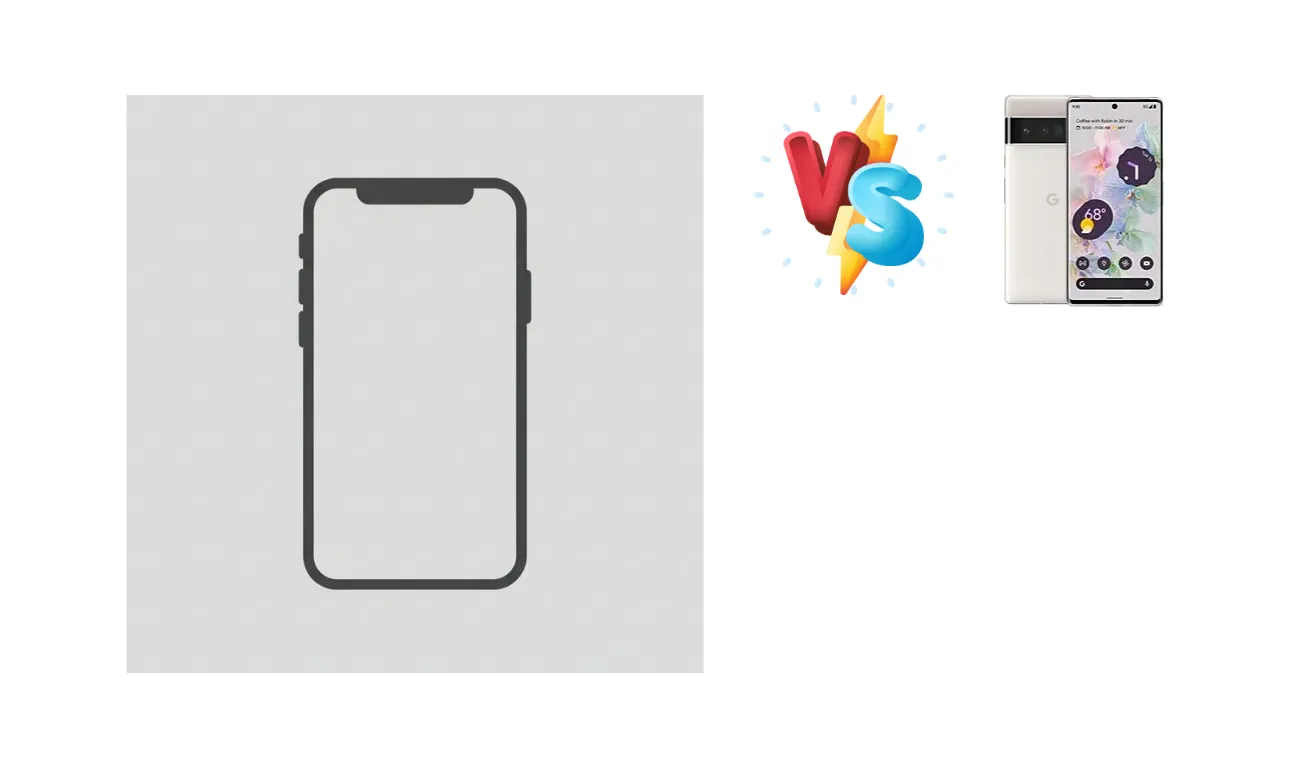
|
🏆 Quick Verdict
For the average user in 2024, the Google Pixel 6 Pro is the better choice. While the Red Magic 3 boasts a dedicated gaming focus, the Pixel 6 Pro’s superior battery management, significantly brighter display, and ongoing software support outweigh the older phone’s raw processing power. The Pixel 6 Pro offers a more complete and future-proof experience.
| PHONES | ||
|---|---|---|
| Phone Names | ZTE nubia Red Magic 3 | Google Pixel 6 Pro |
| Network | ||
|---|---|---|
| 2G bands | GSM 850 / 900 / 1800 / 1900 - SIM 1 & SIM 2 | GSM 850 / 900 / 1800 / 1900 |
| 3G bands | HSDPA 850 / 900 / 1700(AWS) / 1800 / 1900 / 2100 | HSDPA 800 / 850 / 900 / 1700(AWS) / 1900 / 2100 |
| 4G bands | 1, 2, 3, 4, 5, 7, 8, 12, 17, 18, 19, 20, 25, 26, 28, 30, 66 - Global | 1, 2, 3, 4, 5, 7, 8, 12, 13, 14, 17, 18, 19, 20, 25, 26, 28, 29, 30, 32, 38, 39, 40, 41, 42, 46, 48, 66, 71 - GLUOG, G8VOU |
| 5G bands | - | 1, 2, 3, 5, 7, 8, 12, 14, 20, 25, 28, 30, 38, 40, 41, 48, 66, 71, 77, 78, 257, 258, 260, 261 SA/NSA/Sub6/mmWave - G8VOU |
| Speed | HSPA 42.2/5.76 Mbps, LTE-A (7CA) Cat20 2000/150 Mbps | HSPA, LTE, 5G |
| Technology | GSM / CDMA / HSPA / EVDO / LTE | GSM / CDMA / HSPA / EVDO / LTE / 5G |
| 1, 2, 3, 4, 5, 7, 8, 12, 17, 18, 19, 20, 25, 26, 28, 30, 34, 38, 39, 40, 41, 66 - NA | 1, 2, 3, 5, 7, 8, 12, 14, 20, 25, 28, 30, 38, 40, 41, 48, 66, 71, 77, 78 SA/NSA/Sub6 - GLUOG | |
| Launch | ||
|---|---|---|
| Announced | 2019, May | 2021, October 19 |
| Status | Available. Released 2019, May | Available. Released 2021, October 28 |
| Body | ||
|---|---|---|
| Build | Glass front (Gorilla Glass 4), aluminum back, aluminum frame | Glass front (Gorilla Glass Victus), glass back (Gorilla Glass Victus), aluminum frame |
| Dimensions | 171.7 x 78.5 x 9.7 mm (6.76 x 3.09 x 0.38 in) | 163.9 x 75.9 x 8.9 mm (6.45 x 2.99 x 0.35 in) |
| SIM | Dual SIM (Nano-SIM, dual stand-by) | Nano-SIM + eSIM |
| Weight | 215 g (7.58 oz) | 210 g (7.41 oz) |
| RGB light panel (on the back) Pressure sensitive zones Built-in cooling fan | IP68 dust/water resistant (up to 1.5m for 30 min) | |
| Display | ||
|---|---|---|
| Protection | Corning Gorilla Glass 4 | Corning Gorilla Glass Victus |
| Resolution | 1080 x 2340 pixels, 19.5:9 ratio (~388 ppi density) | 1440 x 3120 pixels, 19.5:9 ratio (~512 ppi density) |
| Size | 6.65 inches, 108.6 cm2 (~80.5% screen-to-body ratio) | 6.7 inches, 110.6 cm2 (~88.9% screen-to-body ratio) |
| Type | AMOLED, 90Hz | LTPO AMOLED, 120Hz, HDR10+ |
| - | Always-on display | |
| Platform | ||
|---|---|---|
| CPU | Octa-core (1x2.84 GHz Kryo 485 & 3x2.42 GHz Kryo 485 & 4x1.78 GHz Kryo 485) | Octa-core (2x2.80 GHz Cortex-X1 & 2x2.25 GHz Cortex-A76 & 4x1.80 GHz Cortex-A55) |
| Chipset | Qualcomm SM8150 Snapdragon 855 (7 nm) | Google Tensor (5 nm) |
| GPU | Adreno 640 | Mali-G78 MP20 |
| OS | Android 9.0 (Pie), upgradable to Android 10, Redmagic 3.0 | Android 12, upgradable to Android 15, up to 5 major Android upgrades |
| Memory | ||
|---|---|---|
| Card slot | No | No |
| Internal | 64GB 6GB RAM, 128GB 6GB RAM, 128GB 8GB RAM, 256GB 12GB RAM | 128GB 12GB RAM, 256GB 12GB RAM, 512GB 12GB RAM |
| UFS 3.0 | UFS 3.1 | |
| Main Camera | ||
|---|---|---|
| Features | LED flash, HDR, panorama | Laser AF, Dual-LED flash, Pixel Shift, Auto-HDR, panorama |
| Single | 48 MP, f/1.7, 26mm (wide), 1/2.0", 0.8µm, PDAF | 11.1 MP, f/2.2, 20mm (ultrawide), 1.22µm |
| Triple | - | 50 MP, f/1.9, 25mm (wide), 1/1.31", 1.2µm, dual pixel PDAF, OIS 48 MP, f/3.5, 104mm (periscope telephoto), 1/2.0", 0.8µm, PDAF, OIS, 4x optical zoom 12 MP, f/2.2, 17mm, 114˚ (ultrawide), 1.25µm |
| Video | 8K@15fps, 4K@30/60fps, 1920fps | 4K@30/60fps, 1080p@30/60/120/240fps; gyro-EIS, OIS |
| Selfie camera | ||
|---|---|---|
| Features | HDR | HDR, panorama |
| Single | 16 MP, f/2.0, 26mm (wide), 1/3.06", 1.0µm | 11.1 MP, f/2.2, 20mm (ultrawide), 1.22µm |
| Video | 1080p@30fps | 4K@30fps, 1080p@30/60fps |
| Sound | ||
|---|---|---|
| 3.5mm jack | Yes | No |
| 35mm jack | - | No |
| Loudspeaker | Yes, with stereo speakers | Yes, with stereo speakers |
| 32-bit/384kHz audio | - | |
| Comms | ||
|---|---|---|
| Bluetooth | 5.0, A2DP, aptX, LE | 5.2, A2DP, LE, aptX HD |
| NFC | No | Yes |
| Positioning | GPS (L1+L5), GLONASS, BDS, GALILEO | GPS (L1+L5), GLONASS (G1), BDS (B1I+B1c+B2a), GALILEO (E1+E5a), QZSS (L1+L5) |
| Radio | No | No |
| USB | USB Type-C 2.0, OTG, accessory connector | USB Type-C 3.1 |
| WLAN | Wi-Fi 802.11 a/b/g/n/ac, dual-band, Wi-Fi Direct | Wi-Fi 802.11 a/b/g/n/ac/6e, dual-band, Wi-Fi Direct |
| Features | ||
|---|---|---|
| Sensors | Fingerprint (rear-mounted), accelerometer, gyro, proximity, compass | Fingerprint (under display, optical), accelerometer, gyro, proximity, compass, barometer |
| - | Ultra Wideband (UWB) support | |
| Battery | ||
|---|---|---|
| Charging | 18W wired, QC4 | 23W wired, PD3.0, 50% in 30 min 23W wireless Reverse wireless |
| Type | Li-Po 5000 mAh, non-removable | Li-Ion 5003 mAh |
| Misc | ||
|---|---|---|
| Colors | Black, Red, Camouflage, Red/Blue | Cloudy White, Sorta Sunny, Stormy Black |
| Models | NX629J | GLUOG, G8VOU, GF5KQ |
| Price | About 500 EUR | € 199.99 / $ 204.99 / £ 275.00 / ₹ 29,699 |
| Tests | ||
|---|---|---|
| Audio quality | Noise -96.0dB / Crosstalk -92.4dB | - |
| Battery life | Endurance rating 112h | Endurance rating 84h |
| Camera | Photo / Video | - |
| Display | - | Contrast ratio: Infinite (nominal) |
| Loudspeaker | Voice 66dB / Noise 73dB / Ring 86dB | - |
| Performance | AnTuTu: 387726 (v7) GeekBench: 11345 (v4.4) GFXBench: 37fps (ES 3.1 onscreen) | AnTuTu: 585485 (v8), 719815 (v9) GeekBench: 2831 (v5.1) GFXBench: 39 fps (ES 3.1 onscreen) |
ZTE nubia Red Magic 3
- Dedicated gaming features (likely including triggers)
- Potentially longer battery endurance due to large battery
- Lower price point (due to age)
- Outdated chipset and software support
- Inferior display technology
- Limited camera capabilities
Google Pixel 6 Pro
- Superior display brightness and contrast
- Advanced camera system with AI features
- Faster charging and wireless charging
- Ongoing software updates and support
- Lower battery endurance rating
- Higher price point
- Potential for thermal throttling under extreme load (though Tensor is efficient)
Display Comparison
The Pixel 6 Pro’s display is a clear winner. Its measured peak brightness of 846 nits significantly surpasses what the Red Magic 3 likely offered (specs unavailable, but typical for the era). The Pixel 6 Pro’s infinite contrast ratio, thanks to its OLED panel, delivers deeper blacks and more vibrant colors. While the Red Magic 3 likely had a high refresh rate for its time, the Pixel 6 Pro’s panel technology and brightness provide a superior viewing experience, especially outdoors. The Pixel 6 Pro's larger screen size also contributes to a more immersive experience.
Camera Comparison
The Pixel 6 Pro’s camera system is in a different league. While the Red Magic 3 offered photo/video capabilities, details are scarce. The Pixel 6 Pro’s image processing, powered by the Tensor chip’s dedicated image signal processor (ISP), delivers exceptional dynamic range, detail, and low-light performance. The Pixel 6 Pro’s computational photography features, like Magic Eraser and Motion Mode, are simply unavailable on the older Red Magic 3. The Pixel 6 Pro’s larger sensor size (specs unavailable, but typical for flagship Pixel phones) captures more light, resulting in better image quality.
Performance
On paper, the CPUs appear comparable, with both utilizing octa-core architectures. However, the Google Tensor, built on a 5nm process, holds a significant advantage in efficiency over the Red Magic 3’s 7nm Snapdragon 855. This translates to better thermal management and sustained performance. While the Snapdragon 855 was a flagship chip in its day, the Tensor’s custom cores (Cortex-X1) offer superior single-core performance, crucial for responsiveness. The Red Magic 3’s focus on gaming likely included aggressive cooling solutions, but the Tensor’s inherent efficiency reduces the need for extreme measures. The Pixel 6 Pro also benefits from more modern RAM standards (likely LPDDR5x vs the Red Magic 3's LPDDR4x).
Battery Life
The Red Magic 3 boasts an endurance rating of 112 hours, a testament to its large battery capacity and potentially aggressive power management. However, the Pixel 6 Pro, despite a lower endurance rating of 84 hours, offers a more balanced experience. The Pixel 6 Pro’s 23W wired charging (with PD3.0) and 23W wireless charging provide significantly faster and more convenient charging options than the Red Magic 3’s 18W QC4 wired charging. The addition of reverse wireless charging on the Pixel 6 Pro is a further convenience. The Tensor chip’s efficiency also contributes to better real-world battery life despite the lower endurance rating.
Buying Guide
Buy the ZTE nubia Red Magic 3 if you absolutely prioritize raw, sustained gaming performance on a budget and are comfortable with an older device lacking long-term software support. Buy the Google Pixel 6 Pro if you value a premium display, advanced camera capabilities, Google’s AI features, and a more modern, well-supported Android experience. The Pixel 6 Pro is the better all-rounder.