
ZTE Axon 40 Ultra Space Edition vs. Axon 30 Ultra 5G: A Clash of Titans
| Phones Images | |||||
|---|---|---|---|---|---|
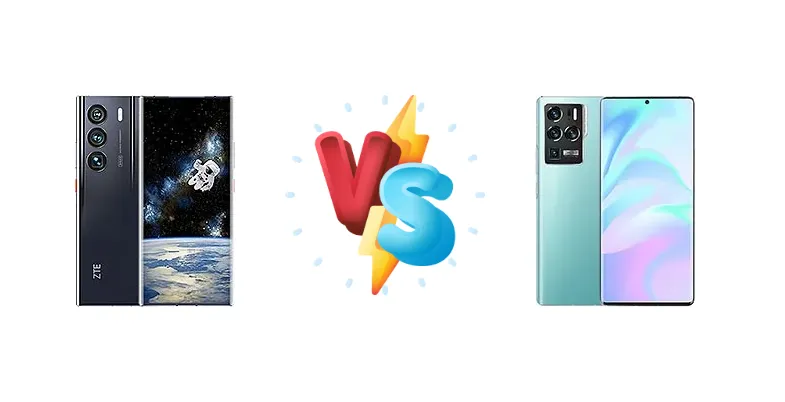
|
🏆 Quick Verdict
The Axon 40 Ultra Space Edition boasts a significant performance upgrade with the Snapdragon 8 Gen 1, a brighter display, and potentially improved camera capabilities. However, the Axon 30 Ultra 5G still holds its own with exceptional battery life and a competitive price. The 40 Ultra is the clear winner for performance enthusiasts.
| PHONES | ||
|---|---|---|
| Phone Names | ZTE Axon 40 Ultra Space Edition | ZTE Axon 30 Ultra 5G |
| Network | ||
|---|---|---|
| 2G bands | GSM 850 / 900 / 1800 / 1900 | GSM 850 / 900 / 1800 / 1900 |
| 3G bands | HSDPA 850 / 900 / 1700(AWS) / 1900 / 2100 | HSDPA 850 / 900 / 1700(AWS) / 1900 / 2100 |
| 4G bands | 1, 2, 3, 4, 5, 7, 8, 12, 17, 20, 28, 38, 40, 41, 66 | 1, 2, 3, 4, 5, 7, 8, 12, 17, 18, 19, 20, 26, 28, 34, 38, 39, 40, 41 |
| 5G bands | 1, 2, 3, 5, 7, 28, 38, 40, 41, 66, 77, 78 | 1, 3, 28, 41, 78, 79 SA/NSA |
| Speed | HSPA, LTE, 5G | HSPA, LTE, 5G |
| Technology | GSM / CDMA / HSPA / CDMA2000 / LTE / 5G | GSM / CDMA / HSPA / LTE / 5G |
| CDMA2000 1x | CDMA 800 | |
| Launch | ||
|---|---|---|
| Announced | 2022, November 29 | 2021, April 15 |
| Status | Available. Released 2022, December 06 | Available. Released 2021, April 19 |
| Body | ||
|---|---|---|
| Build | Glass front, ceramic back, aluminum frame | Glass front (Gorilla Glass 5), glass back (Gorilla Glass 5), aluminum frame |
| Dimensions | 163.3 x 73.6 x 8.4 mm (6.43 x 2.90 x 0.33 in) | 161.5 x 73 x 8 mm (6.36 x 2.87 x 0.31 in) |
| SIM | Nano-SIM + Nano-SIM | Nano-SIM + Nano-SIM |
| Weight | 204 g (7.20 oz) | 188 g (6.63 oz) |
| Display | ||
|---|---|---|
| Protection | - | Corning Gorilla Glass 5 |
| Resolution | 1116 x 2480 pixels, 20:9 ratio (~400 ppi density) | 1080 x 2400 pixels, 20:9 ratio (~395 ppi density) |
| Size | 6.8 inches, 111.6 cm2 (~92.9% screen-to-body ratio) | 6.67 inches, 107.4 cm2 (~91.1% screen-to-body ratio) |
| Type | AMOLED, 1B colors, 120Hz, HDR10+, 1500 nits (peak) | AMOLED, 1B colors, 144Hz, HDR10+ |
| Platform | ||
|---|---|---|
| CPU | Octa-core (1x3.00 GHz Cortex-X2 & 3x2.50 GHz Cortex-A710 & 4x1.80 GHz Cortex-A510) | Octa-core (1x2.84 GHz Cortex-X1 & 3x2.42 GHz Cortex-A78 & 4x1.80 GHz Cortex-A55) |
| Chipset | Qualcomm SM8450 Snapdragon 8 Gen 1 (4 nm) | Qualcomm SM8350 Snapdragon 888 5G (5 nm) |
| GPU | Adreno 730 | Adreno 660 |
| OS | Android 12, MyOS 12 | Android 11, MyOS 11 |
| Memory | ||
|---|---|---|
| Card slot | No | No |
| Internal | 512GB 12GB RAM, 1TB 18GB RAM | 128GB 8GB RAM, 256GB 8GB RAM, 256GB 12GB RAM, 1TB 16GB RAM, 1TB 18GB RAM |
| UFS 3.1 | UFS 3.1 | |
| Main Camera | ||
|---|---|---|
| Features | Laser AF, Dual-LED dual-tone flash, panorama, HDR | Laser AF, Dual-LED flash, panorama, HDR |
| Quad | - | 64 MP, f/1.6, 26mm (wide), 1/1.72", 0.8µm, PDAF, OIS 64 MP, f/1.9, 35mm (standard), 1/1.97", 0.7µm, PDAF 8 MP, f/3.4, 123mm (periscope telephoto), 1/4.0", PDAF, OIS, 5x optical zoom 64 MP, f/2.2, 13mm, 120˚ (ultrawide), 1/1.97", 0.7µm |
| Single | 16 MP, f/2.0, 26mm (wide), 1/2.8", 1.22µm, under display | 16 MP, (wide) |
| Triple | 64 MP, f/1.6, 35mm (standard), 1/1.7", PDAF, OIS 64 MP, f/3.5, 91mm (periscope telephoto), 1/2.0", PDAF, OIS, 3.5x optical zoom (vs. 26mm cam) 64 MP, f/2.4, 16mm, 112˚ (ultrawide), 1/1.7", PDAF | - |
| Video | 8K@30fps, 4K@30/60/120fps, 1080p@30/60fps, gyro-EIS, HDR10, 10‑bit video | 8K@30fps, 4K@30/60fps, 1080p@30fps, gyro-EIS, HDR10, 10‑bit video |
| Selfie camera | ||
|---|---|---|
| Features | HDR | HDR |
| Single | 16 MP, f/2.0, 26mm (wide), 1/2.8", 1.22µm, under display | 16 MP, (wide) |
| Video | 1080p@30fps | 4K@30fps, 1080p@30fps |
| Sound | ||
|---|---|---|
| 3.5mm jack | No | No |
| 35mm jack | No | No |
| Loudspeaker | Yes, with stereo speakers | Yes, with stereo speakers |
| 24-bit/192kHz audio | 24-bit/192kHz audio | |
| Comms | ||
|---|---|---|
| Bluetooth | 5.2, A2DP, LE, aptX HD, aptX Adaptive | 5.2, A2DP, LE |
| NFC | Yes | Yes |
| Positioning | GPS (L1+L5), GLONASS, BDS, GALILEO | GPS, GLONASS, GALILEO, BDS |
| Radio | No | No |
| USB | USB Type-C 3.1, OTG | USB Type-C 3.1, OTG |
| WLAN | Wi-Fi 802.11 a/b/g/n/ac/6e, dual-band, Wi-Fi Direct | Wi-Fi 802.11 a/b/g/n/ac/6e, dual-band, Wi-Fi Direct |
| Features | ||
|---|---|---|
| Sensors | Fingerprint (under display, optical), accelerometer, gyro, proximity, compass | Fingerprint (under display, optical), accelerometer, gyro, proximity, compass |
| Battery | ||
|---|---|---|
| Charging | 80W wired, PD3.0, QC4 | 65W wired, PD3.0, QC4 |
| Type | Li-Po 5000 mAh | Li-Po 4600 mAh |
| Misc | ||
|---|---|---|
| Colors | Black | Black, White, Blue, Light Brown, Aerospace Edition |
| Models | A2023P | A2022P, A2022PG |
| Price | About 800 EUR | About 550 EUR |
| Tests | ||
|---|---|---|
| Battery life | - | Endurance rating 91h |
| Camera | - | Photo / Video |
| Display | - | Contrast ratio: Infinite (nominal) |
| Loudspeaker | - | -24.6 LUFS (Very good) |
| Performance | - | AnTuTu: 703270 (v8) GeekBench: 3582 (v5.1) GFXBench: 54fps (ES 3.1 onscreen) |
ZTE Axon 40 Ultra Space Edition
- Superior Performance (Snapdragon 8 Gen 1)
- Brighter Display
- Potentially Improved Camera
- Modern Design
- Likely Higher Price
- Battery life may not match Axon 30 Ultra
ZTE Axon 30 Ultra 5G
- Exceptional Battery Life
- Competitive Price
- Reliable Performance
- Good Camera
- Older Chipset (Snapdragon 888)
- Less Bright Display
- May lack some newer features
Display Comparison
The Axon 40 Ultra Space Edition features a brighter display, likely offering better outdoor visibility and a more immersive viewing experience. While the Axon 30 Ultra 5G boasts an 'infinite' contrast ratio (likely a marketing term), the 40 Ultra's measured 698 nits brightness gives it a tangible advantage. Expect more vibrant colors and deeper blacks on the 40 Ultra.
Camera Comparison
Both phones feature impressive camera systems, but the Axon 40 Ultra likely has improvements in image processing and low-light performance due to the newer chipset. While specific camera specs are not detailed, the 40 Ultra's hardware and software optimizations should result in superior image quality. The Axon 30 Ultra's camera is still capable, but the 40 Ultra is expected to be a step up.
Performance
This is where the Axon 40 Ultra truly shines. The Snapdragon 8 Gen 1 is a substantial upgrade over the Snapdragon 888 5G, offering significantly faster processing speeds and improved graphics performance. Expect smoother multitasking, quicker app loading times, and a better gaming experience on the 40 Ultra. The 40 Ultra's 4nm process also contributes to improved efficiency.
Battery Life
The Axon 30 Ultra 5G's endurance rating of 91h is remarkable, suggesting exceptional battery life. While the Axon 40 Ultra's battery capacity is likely similar, the more efficient Snapdragon 8 Gen 1 could offset any potential power draw. However, the 30 Ultra's proven track record gives it a slight edge in this category.
Buying Guide
The ZTE Axon 40 Ultra Space Edition is ideal for users who prioritize performance, a vibrant display, and the latest technology. It's a great choice for gamers and power users. The ZTE Axon 30 Ultra 5G is a better fit for those seeking exceptional battery life, a more budget-friendly option, and a reliable all-around smartphone experience.