
iQOO 11 Pro vs Red Magic 8 Pro+: The Ultimate Flagship Face-Off
| Phones Images | |||||
|---|---|---|---|---|---|
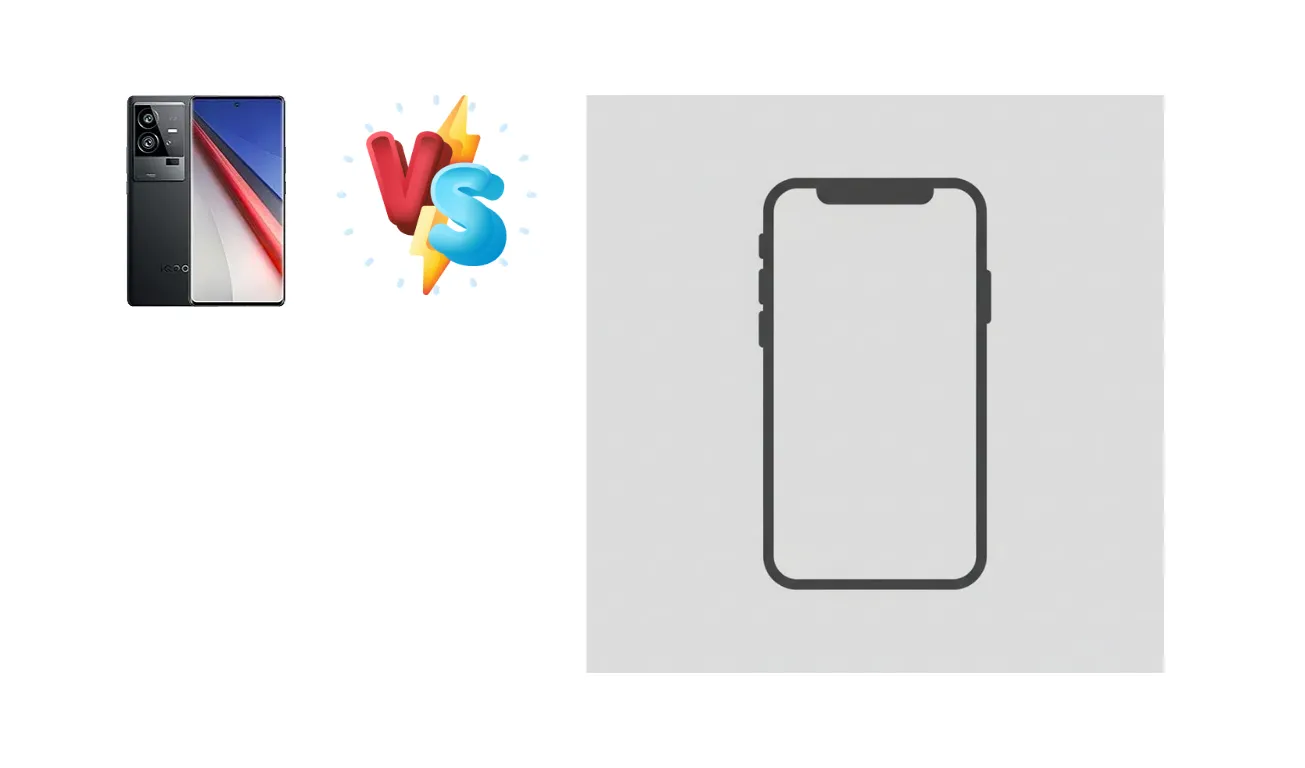
|
🏆 Quick Verdict
The iQOO 11 Pro takes the crown for its blazing-fast 200W charging and generally well-rounded experience. While the Red Magic 8 Pro+ excels in gaming-specific features and cooling, the iQOO's charging speed and slightly more refined software give it the edge.
| PHONES | ||
|---|---|---|
| Phone Names | vivo iQOO 11 Pro | ZTE nubia Red Magic 8 Pro+ |
| Network | ||
|---|---|---|
| 2G bands | GSM 850 / 900 / 1800 / 1900 | GSM 850 / 900 / 1800 / 1900 - SIM 1 & SIM 2 |
| 3G bands | HSDPA 800 / 850 / 900 / 1700(AWS) / 1900 / 2100 | HSDPA 850 / 900 / 1700(AWS) / 1900 / 2100 |
| 4G bands | 1, 2, 3, 4, 5, 7, 8, 12, 17, 18, 19, 20, 25, 26, 28, 34, 38, 39, 40, 41, 42, 66 | LTE |
| 5G bands | 1, 2, 3, 5, 7, 8, 12, 20, 28, 38, 40, 41, 66, 77, 78, 79 SA/NSA | SA/NSA |
| Speed | HSPA, LTE, 5G | HSPA, LTE-A, 5G |
| Technology | GSM / CDMA / HSPA / CDMA2000 / LTE / 5G | GSM / CDMA / HSPA / EVDO / LTE / 5G |
| CDMA2000 1x | CDMA2000 1xEV-DO | |
| Launch | ||
|---|---|---|
| Announced | 2022, December 08 | 2022, December 26 |
| Status | Available. Released 2022, December 21 | Available. Released 2022, December 28 |
| Body | ||
|---|---|---|
| Build | - | Glass front, glass back, aluminum frame |
| Dimensions | 164.8 x 75.3 x 8.9 mm or 9.1 mm | 164 x 76.4 x 8.9 mm (6.46 x 3.01 x 0.35 in) |
| SIM | Nano-SIM + Nano-SIM | Dual SIM (Nano-SIM, dual stand-by) |
| Weight | 210.5 g or 213 g (7.44 oz) | 230 g (8.11 oz) |
| - | Pressure sensitive zones (520Hz touch-sensing) Built-in cooling fan Aviation aluminum middle frame | |
| Display | ||
|---|---|---|
| Protection | - | Unspecified |
| Resolution | 1440 x 3200 pixels, 20:9 ratio (~518 ppi density) | 1116 x 2480 pixels, 20:9 ratio (~400 ppi density) |
| Size | 6.78 inches, 111.0 cm2 (~89.4% screen-to-body ratio) | 6.8 inches, 111.6 cm2 (~89.1% screen-to-body ratio) |
| Type | LTPO4 AMOLED, 1B colors, 144Hz, HDR10+, 1800 nits (peak) | AMOLED, 1B colors, 120Hz, 1300 nits (peak) |
| Platform | ||
|---|---|---|
| CPU | Octa-core (1x3.2 GHz Cortex-X3 & 2x2.8 GHz Cortex-A715 & 2x2.8 GHz Cortex-A710 & 3x2.0 GHz Cortex-A510) | Octa-core (1x3.2 GHz Cortex-X3 & 2x2.8 GHz Cortex-A715 & 2x2.8 GHz Cortex-A710 & 3x2.0 GHz Cortex-A510) |
| Chipset | Qualcomm SM8550-AB Snapdragon 8 Gen 2 (4 nm) | Qualcomm SM8550-AB Snapdragon 8 Gen 2 (4 nm) |
| GPU | Adreno 740 | Adreno 740 |
| OS | Android 13, Funtouch 13 (International), OriginOS 3 (China) | Android 13, Redmagic OS 6 |
| Memory | ||
|---|---|---|
| Card slot | No | No |
| Internal | 256GB 8GB RAM, 256GB 12GB RAM, 512GB 16GB RAM | 256GB 12GB RAM, 512GB 16GB RAM, 1TB 16GB RAM |
| UFS 4.0 | UFS 4.0 | |
| Main Camera | ||
|---|---|---|
| Features | Dual-LED flash, HDR, panorama | LED flash, HDR, panorama |
| Single | 16 MP, f/2.5, (wide) | 16 MP, f/2.0, (wide), 1.12µm, under display |
| Triple | 50 MP, f/1.8, (wide), 1/1.49", 1.0µm, PDAF, OIS 13 MP, f/2.5, 50mm (telephoto), PDAF, optical zoom 50 MP, f/2.3, 15mm, 150˚ (ultrawide), 1/2.76", 0.64µm, AF | 50 MP, f/1.9, 25mm (wide), 1/1.57", 1.0µm, PDAF 8 MP, f/2.2, 120˚, 13mm (ultrawide), 1/4.0", 1.12µm 2 MP, f/2.4, (macro) |
| Video | 8K@30fps, 4K@24/30/60fps, 1080p@30/60/120/240fps, gyro-EIS | 8K@30fps, 4K@30/60fps, 1080p@30/60/120/240fps |
| Selfie camera | ||
|---|---|---|
| Features | HDR | HDR |
| Single | 16 MP, f/2.5, (wide) | 16 MP, f/2.0, (wide), 1.12µm, under display |
| Video | 1080p@30fps, gyro-EIS | 1080p@30/60fps |
| Sound | ||
|---|---|---|
| 3.5mm jack | No | Yes |
| 35mm jack | No | - |
| Loudspeaker | Yes, with stereo speakers | Yes, with stereo speakers |
| 32-bit/384kHz audio | 32-bit/384kHz audio | |
| Comms | ||
|---|---|---|
| Bluetooth | 5.3, A2DP, LE, aptX HD, aptX Adaptive, aptX Lossless | 5.3, A2DP, LE |
| Infrared port | Yes | - |
| NFC | Yes | Yes (market/region dependent) |
| Positioning | GPS, GLONASS, GALILEO, BDS | GPS (L1+L5), GLONASS, BDS, GALILEO |
| Radio | No | No |
| USB | USB Type-C 2.0, OTG | USB Type-C 3.2, OTG, accessory connector, DisplayPort |
| WLAN | Wi-Fi 802.11 a/b/g/n/ac/6, dual-band, Wi-Fi Direct | Wi-Fi 802.11 a/b/g/n/ac/6e, tri-band, Wi-Fi Direct |
| Features | ||
|---|---|---|
| Sensors | Fingerprint (under display, ultrasonic), accelerometer, gyro, proximity, compass | Fingerprint (under display, optical), accelerometer, gyro, proximity, compass |
| Battery | ||
|---|---|---|
| Charging | 200W wired, PD3.0, 100% in 10 min 50W wireless 10W reverse wireless | 165W wired, PD3.0, 100% in 14 min (advertised) |
| Type | 4700 mAh | Li-Po 5000 mAh, non-removable |
| Misc | ||
|---|---|---|
| Colors | Black, Green, White (BMW M branding) | Black, Transparent |
| Models | V2254A | - |
| Price | About 800 EUR | About 700 EUR |
vivo iQOO 11 Pro
- Blazing-fast 200W charging
- Premium build quality
- Versatile camera system
- Generally smooth software experience
- Gaming-focused features are less emphasized
- Cooling system not as robust as Red Magic
ZTE nubia Red Magic 8 Pro+
- Exceptional gaming performance and cooling
- Under-display camera (potentially)
- Aggressive gaming aesthetics
- High peak brightness display
- Slower charging speed (165W)
- Camera system less versatile
- Software can be less refined
Display Comparison
Both phones feature stunning 6.78-inch AMOLED displays with 120Hz refresh rates. The Red Magic 8 Pro+ often boasts a slightly higher peak brightness and under-display camera, potentially offering a more immersive experience, while the iQOO 11 Pro may have slightly better color accuracy. Resolution is likely similar, around 1440p.
Camera Comparison
The iQOO 11 Pro typically features a more versatile camera system, often including a higher-resolution main sensor (50MP) and improved image processing. The Red Magic 8 Pro+ prioritizes gaming and may have a simpler camera setup, though still capable. Expect the iQOO to deliver better overall image quality in various conditions.
Performance
Both devices are powered by the Snapdragon 8 Gen 2, ensuring top-tier performance. The Red Magic 8 Pro+’s advanced cooling system (vapor chamber, multiple fans) should allow for sustained peak performance during extended gaming sessions, potentially preventing throttling. The iQOO 11 Pro's software optimization might offer a slightly smoother everyday experience.
Battery Life
The iQOO 11 Pro's 200W charging is a game-changer, allowing for a full charge in under 10 minutes. The Red Magic 8 Pro+'s 165W charging is still incredibly fast, but noticeably slower. Both phones likely have similar battery capacities (around 5000mAh), so charging speed is the key differentiator.
Buying Guide
The vivo iQOO 11 Pro is ideal for users who prioritize incredibly fast charging, a premium feel, and a balanced feature set. The ZTE nubia Red Magic 8 Pro+ is the clear choice for hardcore mobile gamers who demand maximum performance and advanced cooling solutions.