
Posh Micro X S240 vs Samsung Galaxy S23+: A Deep Dive into Performance and Value
| Phones Images | |||||
|---|---|---|---|---|---|
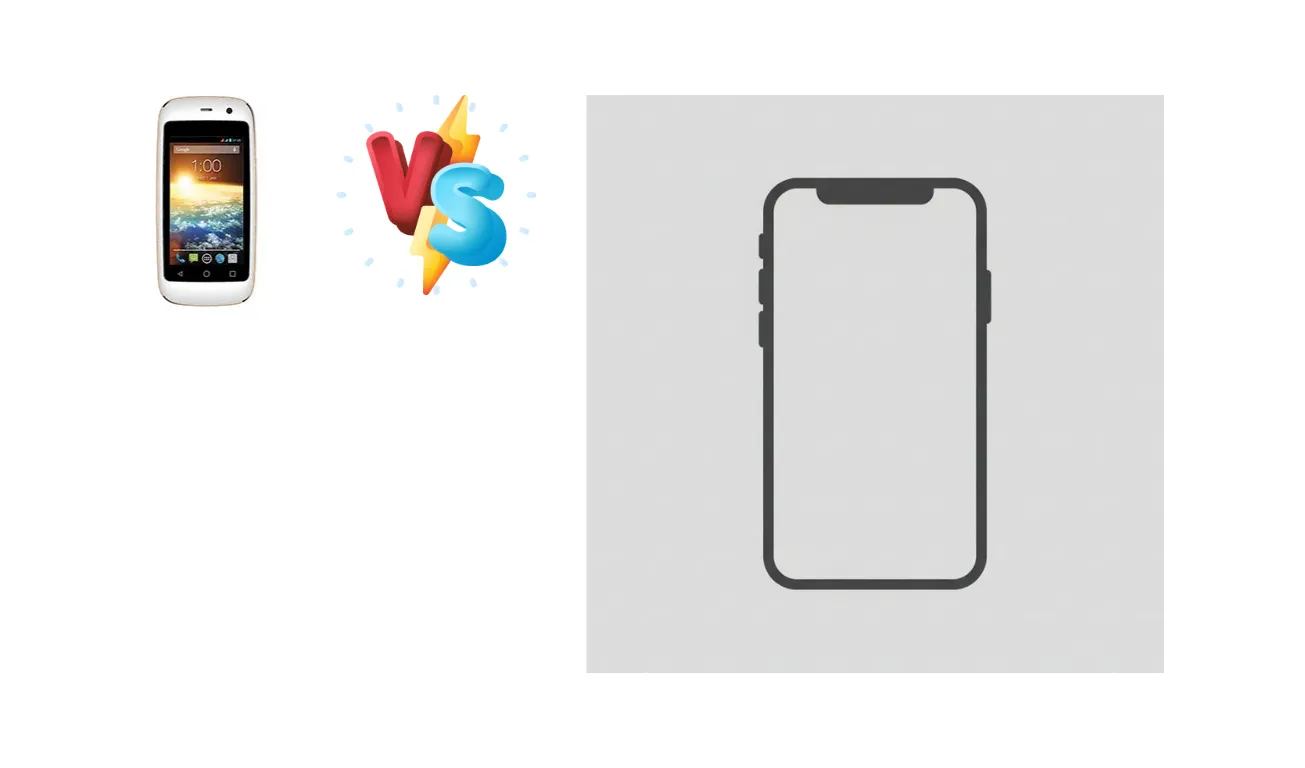
|
🏆 Quick Verdict
For the average user prioritizing performance, camera quality, and long-term software support, the Samsung Galaxy S23+ is the clear winner. However, the Posh Micro X S240 presents a compelling option for those on a strict budget who need basic smartphone functionality.
| PHONES | ||
|---|---|---|
| Phone Names | Posh Micro X S240 | Samsung Galaxy S23+ |
| Network | ||
|---|---|---|
| 2G bands | GSM 850 / 900 / 1800 / 1900 | GSM 850 / 900 / 1800 / 1900 - SIM 1 & SIM 2 (Dual SIM model only) |
| 3G bands | HSDPA 850 / 1700(AWS) / 1900 - S240A | HSDPA 850 / 900 / 1700(AWS) / 1900 / 2100 |
| 4G bands | - | 1, 2, 3, 4, 5, 7, 8, 12, 13, 17, 18, 19, 20, 25, 26, 28, 32, 38, 39, 40, 41, 66 - International |
| 5G bands | - | 1, 2, 3, 5, 7, 8, 12, 20, 25, 28, 38, 40, 41, 66, 75, 77, 78 SA/NSA/Sub6 - International |
| Speed | HSPA 21.1/5.76 Mbps | HSPA, LTE-A (up to 7CA), 5G |
| Technology | GSM / HSPA | GSM / CDMA / HSPA / EVDO / LTE / 5G |
| HSDPA 850 / 1900 / 2100 - S240B | 1, 7, 28, 41, 66, 71, 78, 258, 260, 261 SA/NSA/Sub6/mmWave - USA | |
| Launch | ||
|---|---|---|
| Announced | 2015, July. Released 2015, July | 2023, February 01 |
| Status | Discontinued | Available. Released 2023, February 17 |
| Body | ||
|---|---|---|
| Build | - | Glass front (Gorilla Glass Victus 2), glass back (Gorilla Glass Victus 2), aluminum frame |
| Dimensions | 89.8 x 47.8 x 11.7 mm (3.54 x 1.88 x 0.46 in) | 157.8 x 76.2 x 7.6 mm (6.21 x 3.00 x 0.30 in) |
| SIM | Mini-SIM | Nano-SIM and eSIM or Dual SIM (2 Nano-SIMs and eSIM, dual stand-by) |
| Weight | 52.7 g (1.87 oz) | 196 g (6.91 oz) |
| - | IP68 dust/water resistant (up to 1.5m for 30 min) Armor aluminum frame with tougher drop and scratch resistance (advertised) | |
| Display | ||
|---|---|---|
| Protection | - | Corning Gorilla Glass Victus 2 |
| Resolution | 240 x 432 pixels (~202 ppi density) | 1080 x 2340 pixels, 19.5:9 ratio (~393 ppi density) |
| Size | 2.45 inches, 16.4 cm2 (~38.3% screen-to-body ratio) | 6.6 inches, 105.3 cm2 (~87.6% screen-to-body ratio) |
| Type | TFT, 256K colors | Dynamic AMOLED 2X, 120Hz, HDR10+, 1200 nits (HBM), 1750 nits (peak) |
| - | Always-on display | |
| Platform | ||
|---|---|---|
| CPU | Dual-core 1.0 GHz Cortex-A7 | Octa-core (1x3.36 GHz Cortex-X3 & 2x2.8 GHz Cortex-A715 & 2x2.8 GHz Cortex-A710 & 3x2.0 GHz Cortex-A510) |
| Chipset | Mediatek MT6572 (28 nm) | Qualcomm SM8550-AC Snapdragon 8 Gen 2 (4 nm) |
| GPU | Mali-400 | Adreno 740 |
| OS | Android 4.4.2 (KitKat) | Android 13, One UI 5.1 |
| Memory | ||
|---|---|---|
| Card slot | microSDHC (dedicated slot) | No |
| Internal | 4GB 512MB RAM | 256GB 8GB RAM, 512GB 8GB RAM |
| - | UFS 4.0 | |
| Main Camera | ||
|---|---|---|
| Features | Panorama | LED flash, auto-HDR, panorama |
| Single | 2 MP | - |
| Triple | - | 50 MP, f/1.8, 24mm (wide), 1/1.56", 1.0µm, Dual Pixel PDAF, OIS 10 MP, f/2.4, 70mm (telephoto), 1/3.94", 1.0µm, PDAF, OIS, 3x optical zoom 12 MP, f/2.2, 13mm, 120˚ (ultrawide), 1/2.55" 1.4µm, Super Steady video |
| Video | 720p@30fps | 8K@24/30fps, 4K@30/60fps, 1080p@30/60/240fps, 1080p@960fps, HDR10+, stereo sound rec., gyro-EIS |
| Selfie camera | ||
|---|---|---|
| Features | - | Dual video call, Auto-HDR, HDR10+ |
| Single | 1 MP | 12 MP, f/2.2, 26mm (wide), Dual Pixel PDAF |
| Video | - | 4K@30/60fps, 1080p@30fps |
| Sound | ||
|---|---|---|
| 3.5mm jack | Yes | No |
| 35mm jack | Yes | - |
| Loudspeaker | Yes, with stereo speakers | Yes, with stereo speakers |
| - | 32-bit/384kHz audio Tuned by AKG | |
| Comms | ||
|---|---|---|
| Bluetooth | 4.0, A2DP, EDR | 5.3, A2DP, LE |
| NFC | No | Yes |
| Positioning | GPS | GPS, GLONASS, BDS, GALILEO |
| Radio | FM radio | No |
| USB | microUSB 2.0 | USB Type-C 3.2, OTG |
| WLAN | Wi-Fi 802.11 b/g/n, Wi-Fi Direct, DLNA, hotspot | Wi-Fi 802.11 a/b/g/n/ac/6e, tri-band, Wi-Fi Direct |
| Features | ||
|---|---|---|
| Sensors | Accelerometer | Fingerprint (under display, ultrasonic), accelerometer, gyro, proximity, compass, barometer |
| - | Samsung DeX, Samsung Wireless DeX (desktop experience support) Bixby natural language commands and dictation Samsung Pay (Visa, MasterCard certified) Ultra Wideband (UWB) support | |
| Battery | ||
|---|---|---|
| Charging | - | 45W wired, PD3.0, 65% in 30 min (advertised) 15W wireless (Qi/PMA) 4.5W reverse wireless |
| Stand-by | Up to 200 h (2G) / Up to 180 h (3G) | - |
| Talk time | Up to 7 h (2G) / Up to 4 h (3G) | - |
| Type | Li-Po 650 mAh, removable | Li-Ion 4700 mAh, non-removable |
| Misc | ||
|---|---|---|
| Colors | Black, White, Blue, Pink | Phantom Black, Cream, Green, Lavender, Graphite, Lime |
| Models | - | SM-S916B, SM-S916B/DS, SM-S916U, SM-S916U1, SM-S916W, SM-S916N, SM-S9160, SM-S916E, SM-S916E/DS |
| Price | - | $ 780.00 / C$ 1,399.99 / £ 919.08 / € 1,185.89 / ₹ 94,999 |
| SAR | - | 0.95 W/kg (head) 1.04 W/kg (body) |
| SAR EU | - | 0.77 W/kg (head) 1.45 W/kg (body) |
| Tests | ||
|---|---|---|
| Battery life | - | Endurance rating 111h |
| Camera | - | Photo / Video |
| Display | - | Contrast ratio: Infinite (nominal) |
| Loudspeaker | - | -26.5 LUFS (Good) |
| Performance | - | AnTuTu: 1234077 (v9) GeekBench: 5073 (v5.1) GFXBench: 110fps (ES 3.1 onscreen) |
Posh Micro X S240
- Extremely affordable price point
- Potentially decent battery life due to low-power chipset
- Functional for basic smartphone tasks
- Significantly underpowered processor
- Likely low-quality display and camera
- Limited software support and updates
Samsung Galaxy S23+
- Exceptional performance with Snapdragon 8 Gen 2
- High-quality display with vibrant colors
- Versatile camera system with advanced features
- Fast charging and wireless charging capabilities
- High price tag
- May be overkill for basic smartphone users
- Potential for software bloat (typical of Samsung)
Display Comparison
The Samsung Galaxy S23+ boasts an unspecified, but undoubtedly high-quality, display with an 'Infinite' contrast ratio, suggesting a vibrant and immersive viewing experience. While the Posh Micro X S240's display specifications are absent, its budget positioning indicates a lower-resolution panel with potentially less accurate color reproduction. The S23+'s likely inclusion of LTPO technology would enable adaptive refresh rates, conserving battery life, a feature almost certainly absent on the S240.
Camera Comparison
The context data only mentions 'Photo / Video' capabilities for the S23+. Samsung's flagship typically excels in camera performance, leveraging advanced image processing and likely featuring a multi-lens system with Optical Image Stabilization (OIS). The Posh Micro X S240's camera specifications are unknown, but its price point suggests a simpler camera setup with lower-resolution sensors and limited features. Expect significantly better image quality, especially in low light, from the S23+.
Performance
The performance disparity is stark. The Samsung Galaxy S23+'s Qualcomm SM8550-AC Snapdragon 8 Gen 2, built on a 4nm process, features an octa-core architecture with a prime Cortex-X3 core clocked at 3.36 GHz. This translates to significantly faster processing speeds and improved efficiency compared to the Posh Micro X S240's Mediatek MT6572, a dual-core 1.0 GHz Cortex-A7 processor fabricated on a 28nm node. The 4nm process allows the Snapdragon 8 Gen 2 to deliver more performance per watt, reducing thermal throttling during sustained workloads. The S23+ will handle demanding games and multitasking with ease, while the S240 will struggle with anything beyond basic apps.
Battery Life
The Samsung Galaxy S23+ offers a respectable endurance rating of 111 hours, coupled with 45W wired charging (advertised 65% in 30 minutes), 15W wireless charging, and 4.5W reverse wireless charging. The Posh Micro X S240's battery capacity is not specified, but its less power-hungry chipset may allow for comparable battery life despite a potentially smaller battery. However, the S23+'s significantly faster charging speeds provide a substantial convenience advantage.
Buying Guide
Buy the Posh Micro X S240 if you need a functional smartphone for essential tasks like calls, texts, and light browsing, and your budget is under $200. Buy the Samsung Galaxy S23+ if you demand a premium experience with a powerful processor for gaming and demanding apps, a versatile camera system, and fast charging capabilities, and are willing to pay a significant premium.