
Oukitel C38 vs. Motorola Moto G Stylus 5G (2023): A Detailed Comparison of Budget 5G Contenders
| Phones Images | |||||
|---|---|---|---|---|---|
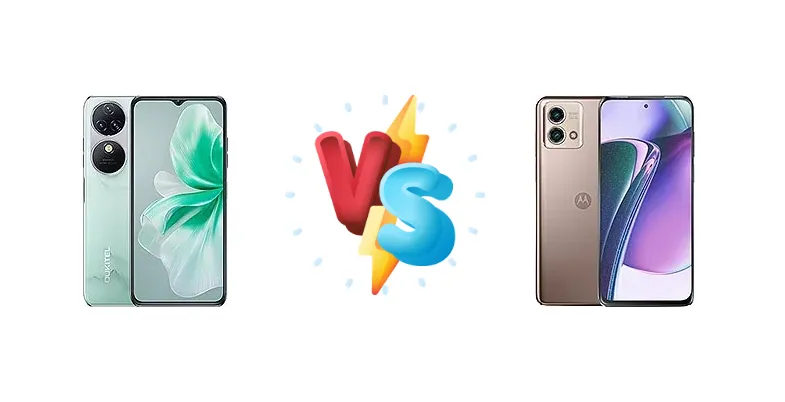
|
🏆 Quick Verdict
For most users, the Motorola Moto G Stylus 5G (2023) is the superior choice. Its Snapdragon 6 Gen 1 chipset, built on a 4nm process, delivers significantly better performance and efficiency compared to the Oukitel C38’s older 12nm Mediatek MT8788. While the Oukitel offers a lower price point, the Motorola’s improved user experience justifies the cost.
| PHONES | ||
|---|---|---|
| Phone Names | Oukitel C38 | Motorola Moto G Stylus 5G (2023) |
| Network | ||
|---|---|---|
| 2G bands | GSM 850 / 900 / 1800 / 1900 | GSM 850 / 900 / 1800 / 1900 |
| 3G bands | HSDPA 850 / 900 / 1700(AWS) / 1900 / 2100 | HSDPA 850 / 900 / 1700(AWS) / 1900 / 2100 |
| 4G bands | 1, 2, 3, 4, 5, 7, 8, 12, 17, 18, 19, 20, 25, 26, 28, 38, 39, 40, 41, 66 | 1, 2, 3, 4, 5, 7, 8, 12, 13, 14, 17, 18, 19, 20, 25, 26, 29, 30, 38, 39, 40, 41, 48, 66, 71 |
| 5G bands | - | 1, 2, 3, 5, 7, 12, 13, 14, 25, 26, 29, 30, 38, 41, 48, 66, 70, 71, 77, 78 SA/NSA |
| Speed | HSPA, LTE | HSPA, LTE, 5G |
| Technology | GSM / HSPA / LTE | GSM / HSPA / LTE / 5G |
| Launch | ||
|---|---|---|
| Announced | 2024, May | 2023, May 30 |
| Status | Available. Released 2024, June | Available. Released 2023, June 02 |
| Body | ||
|---|---|---|
| Build | - | Glass front, plastic frame, plastic back |
| Dimensions | 164.3 x 75.5 x 8.8 mm (6.47 x 2.97 x 0.35 in) | 162.8 x 73.8 x 9.2 mm (6.41 x 2.91 x 0.36 in) |
| SIM | Nano-SIM + Nano-SIM | Nano-SIM |
| Weight | 200 g (7.05 oz) | 202 g (7.13 oz) |
| Display | ||
|---|---|---|
| Protection | Corning Gorilla Glass 5 | - |
| Resolution | 1080 x 2408 pixels, 20:9 ratio (~400 ppi density) | 1080 x 2400 pixels, 20:9 ratio (~399 ppi density) |
| Size | 6.6 inches, 104.9 cm2 (~84.6% screen-to-body ratio) | 6.6 inches, 105.2 cm2 (~87.5% screen-to-body ratio) |
| Type | IPS LCD, 480 nits | IPS LCD, 120Hz |
| Platform | ||
|---|---|---|
| CPU | Octa-core (4x2.0 GHz Cortex-A73 & 4x2.0 GHz Cortex-A53) | Octa-core (4x2.2 GHz Cortex-A78 & 4x1.8 GHz Cortex-A55) |
| Chipset | Mediatek MT8788 (12 nm) | Qualcomm SM6450 Snapdragon 6 Gen 1 (4 nm) |
| GPU | Mali-G72 MP3 | Adreno 710 |
| OS | Android 13 | Android 13, planned upgrade to Android 14 |
| Memory | ||
|---|---|---|
| Card slot | microSDXC (uses shared SIM slot) | microSDXC (dedicated slot) |
| Internal | 256GB 6GB RAM | 64GB 4GB RAM, 128GB 4GB RAM, 128GB 6GB RAM, 256GB 6GB RAM |
| Main Camera | ||
|---|---|---|
| Dual | - | 50 MP, f/1.9, (wide), 1.0µm, PDAF 8 MP, f/2.2, (ultrawide), 1/4.0", 1.12µm, AF |
| Features | LED flash, HDR, panorama | LED flash, HDR, panorama |
| Triple | 48 MP, f/1.8, (wide), 1/2.0", PDAF 2 MP (macro) Auxiliary lens | - |
| Video | 1080p@30fps | 4K@30fps, 1080p@30/60fps |
| Selfie camera | ||
|---|---|---|
| Features | - | HDR |
| Single | 32 MP, f/2.3, (wide), 1/2.8" | 16 MP, f/2.5, (wide), 1.0µm |
| Video | 1080p@30fps | 1080p@30fps |
| Sound | ||
|---|---|---|
| 35mm jack | No | Yes |
| Loudspeaker | Yes | Yes, with stereo speakers |
| Comms | ||
|---|---|---|
| Bluetooth | 5.0, A2DP, LE | 5.1, A2DP, LE |
| NFC | No | Yes |
| Positioning | GPS, GALILEO, GLONASS | GPS (L1+L5), GALILEO |
| Radio | FM radio | FM radio |
| USB | USB Type-C 2.0, OTG | USB Type-C 2.0 |
| WLAN | Wi-Fi 802.11 a/b/g/n/ac, dual-band | Wi-Fi 802.11 a/b/g/n/ac, dual-band |
| Features | ||
|---|---|---|
| Sensors | Fingerprint (side-mounted), accelerometer | Fingerprint (side-mounted), accelerometer, gyro, proximity, compass, barometer |
| Battery | ||
|---|---|---|
| Charging | 18W wired | 20W wired |
| Type | Li-Po 5150 mAh | Li-Po 5000 mAh |
| Misc | ||
|---|---|---|
| Colors | Black, White, Green | Cosmic Black, Rose Champagne |
| Models | - | XT2315-1, XT2315-4 |
| Price | About 140 EUR | $ 93.43 |
Oukitel C38
- Lower price point makes it accessible to budget-conscious buyers.
- May offer a larger battery capacity (spec not confirmed).
- Simple and straightforward Android experience.
- Older Mediatek chipset delivers significantly lower performance.
- Less efficient chipset leads to potential throttling and shorter battery life.
- Likely limited software update support.
Motorola Moto G Stylus 5G (2023)
- Qualcomm Snapdragon 6 Gen 1 offers superior performance and efficiency.
- Integrated stylus adds functionality for note-taking and creative tasks.
- Faster 20W charging reduces top-up times.
- Higher price compared to the Oukitel C38.
- LCD display may not be as vibrant as OLED panels found in higher-end phones.
- May include bloatware from Motorola.
Display Comparison
Neither device boasts a flagship-level display. However, the specifics are missing for the Oukitel C38, making direct comparison difficult. The Moto G Stylus 5G (2023) likely features an LCD panel, typical for its price range, with a standard 60Hz refresh rate. The Oukitel’s display quality will likely be a significant cost-saving measure, potentially impacting color accuracy and viewing angles. Without knowing the Oukitel’s panel type or resolution, it’s difficult to assess its overall display experience, but it’s unlikely to match the Motorola’s clarity.
Camera Comparison
Without detailed camera specifications for the Oukitel C38, a comprehensive comparison is limited. The Moto G Stylus 5G (2023) likely features a primary sensor around 50MP, offering decent image quality in good lighting conditions. The Oukitel’s camera system is likely to be a cost-optimized solution, potentially resulting in lower dynamic range and less detail in challenging lighting scenarios. The presence of a stylus on the Motorola also allows for creative photo editing and note-taking directly on the screen, a feature absent on the Oukitel.
Performance
The core difference lies in the chipsets. The Motorola’s Qualcomm Snapdragon 6 Gen 1 (4nm) is a substantial upgrade over the Oukitel’s Mediatek MT8788 (12nm). The 4nm fabrication process of the Snapdragon translates to significantly improved power efficiency and thermal management, meaning less throttling during sustained tasks. The Snapdragon 6 Gen 1’s CPU, featuring four Cortex-A78 cores clocked at 2.2 GHz, offers a noticeable performance boost over the Oukitel’s Cortex-A73 cores at 2.0 GHz. This will be most apparent in app loading times, multitasking, and gaming. The Motorola will handle demanding applications with greater ease.
Battery Life
The Oukitel C38 supports 18W wired charging, while the Motorola Moto G Stylus 5G (2023) offers 20W. While the difference isn’t massive, the Motorola’s faster charging will shave off some time during top-ups. The Snapdragon 6 Gen 1’s superior power efficiency also contributes to potentially longer battery life on the Motorola, despite potentially having a similar capacity battery to the Oukitel. The 4nm process allows the Motorola to accomplish more per watt, extending usage between charges.
Buying Guide
Buy the Oukitel C38 if you prioritize absolute affordability and basic smartphone functionality, and are willing to compromise on performance and long-term software support. Buy the Motorola Moto G Stylus 5G (2023) if you value a smoother user experience, better performance for multitasking and light gaming, and the convenience of the integrated stylus, even at a slightly higher price.