
Oscal Elite 1 vs. Samsung Galaxy S23+: A Detailed Comparison of Performance and Value
| Phones Images | |||||
|---|---|---|---|---|---|
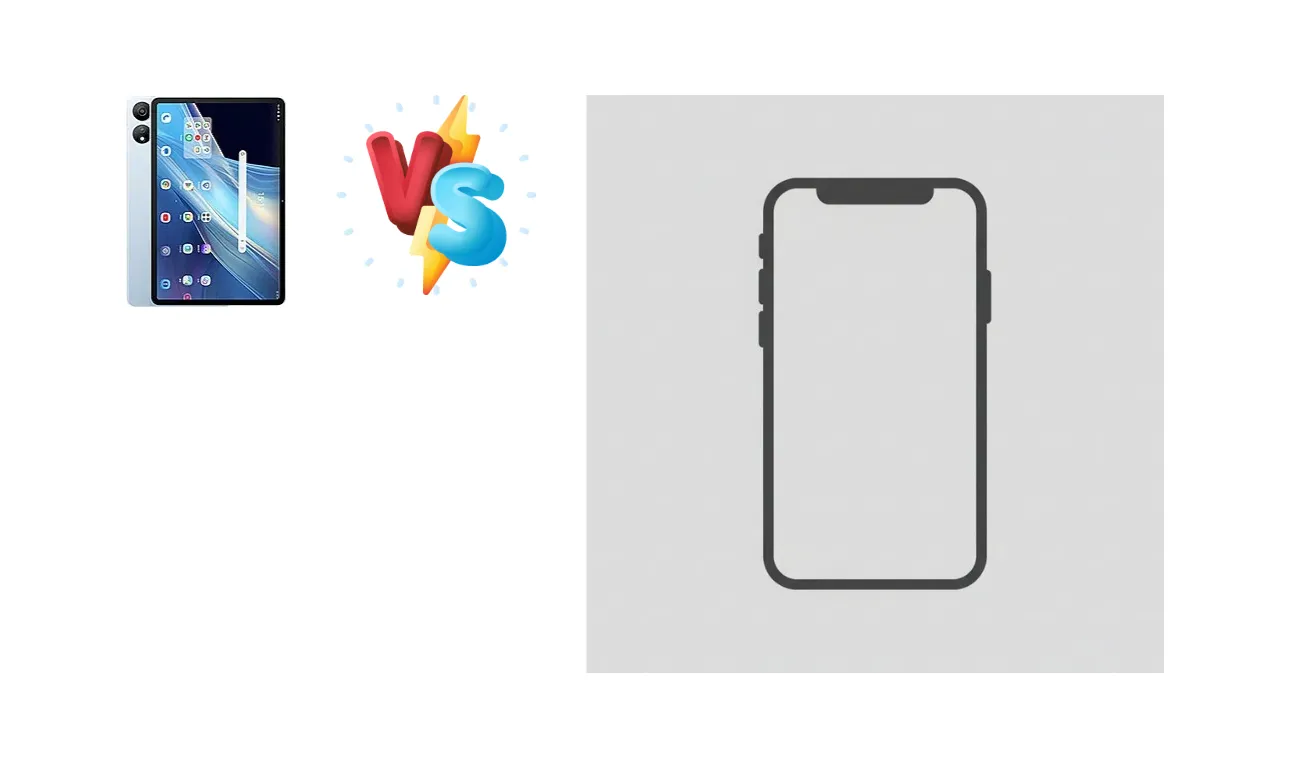
|
🏆 Quick Verdict
For the average user prioritizing a premium experience, the Samsung Galaxy S23+ is the clear winner. Its Snapdragon 8 Gen 2 delivers significantly superior performance and features. However, the Oscal Elite 1 presents a compelling option for budget-conscious gamers and users who prioritize battery life over top-tier processing power.
| PHONES | ||
|---|---|---|
| Phone Names | Oscal Elite 1 | Samsung Galaxy S23+ |
| Network | ||
|---|---|---|
| 2G bands | GSM 850 / 900 / 1800 / 1900 | GSM 850 / 900 / 1800 / 1900 - SIM 1 & SIM 2 (Dual SIM model only) |
| 3G bands | HSDPA 900 / 2100 | HSDPA 850 / 900 / 1700(AWS) / 1900 / 2100 |
| 4G bands | 1, 3, 7, 8, 19, 20, 28, 40, 41 | 1, 2, 3, 4, 5, 7, 8, 12, 13, 17, 18, 19, 20, 25, 26, 28, 32, 38, 39, 40, 41, 66 - International |
| 5G bands | - | 1, 2, 3, 5, 7, 8, 12, 20, 25, 28, 38, 40, 41, 66, 75, 77, 78 SA/NSA/Sub6 - International |
| Speed | HSPA, LTE | HSPA, LTE-A (up to 7CA), 5G |
| Technology | GSM / HSPA / LTE | GSM / CDMA / HSPA / EVDO / LTE / 5G |
| - | 1, 7, 28, 41, 66, 71, 78, 258, 260, 261 SA/NSA/Sub6/mmWave - USA | |
| Launch | ||
|---|---|---|
| Announced | 2024, May | 2023, February 01 |
| Status | Available. Released 2024, May | Available. Released 2023, February 17 |
| Body | ||
|---|---|---|
| Build | - | Glass front (Gorilla Glass Victus 2), glass back (Gorilla Glass Victus 2), aluminum frame |
| Dimensions | 278.5 x 180.5 x 7.4 mm (10.96 x 7.11 x 0.29 in) | 157.8 x 76.2 x 7.6 mm (6.21 x 3.00 x 0.30 in) |
| SIM | Nano-SIM + Nano-SIM | Nano-SIM and eSIM or Dual SIM (2 Nano-SIMs and eSIM, dual stand-by) |
| Weight | 587 g (1.29 lb) | 196 g (6.91 oz) |
| - | IP68 dust/water resistant (up to 1.5m for 30 min) Armor aluminum frame with tougher drop and scratch resistance (advertised) | |
| Display | ||
|---|---|---|
| Protection | - | Corning Gorilla Glass Victus 2 |
| Resolution | 1080 x 2560 pixels (~230 ppi density) | 1080 x 2340 pixels, 19.5:9 ratio (~393 ppi density) |
| Size | 12.1 inches, 338.3 cm2 (~67.3% screen-to-body ratio) | 6.6 inches, 105.3 cm2 (~87.6% screen-to-body ratio) |
| Type | IPS LCD, 120Hz, 600 nits | Dynamic AMOLED 2X, 120Hz, HDR10+, 1200 nits (HBM), 1750 nits (peak) |
| - | Always-on display | |
| Platform | ||
|---|---|---|
| CPU | Octa-core (2x2.2 GHz Cortex-A76 & 6x2.0 GHz Cortex-A55) | Octa-core (1x3.36 GHz Cortex-X3 & 2x2.8 GHz Cortex-A715 & 2x2.8 GHz Cortex-A710 & 3x2.0 GHz Cortex-A510) |
| Chipset | Mediatek Helio G99 (6 nm) | Qualcomm SM8550-AC Snapdragon 8 Gen 2 (4 nm) |
| GPU | Mali-G57 MC2 | Adreno 740 |
| OS | Android 14, DokeOS_P 4.0 | Android 13, One UI 5.1 |
| Memory | ||
|---|---|---|
| Card slot | microSDXC (uses shared SIM slot) | No |
| Internal | 256GB 8GB RAM | 256GB 8GB RAM, 512GB 8GB RAM |
| - | UFS 4.0 | |
| Main Camera | ||
|---|---|---|
| Features | LED flash | LED flash, auto-HDR, panorama |
| Single | 12 MP, (wide), 1/2.55" | - |
| Triple | - | 50 MP, f/1.8, 24mm (wide), 1/1.56", 1.0µm, Dual Pixel PDAF, OIS 10 MP, f/2.4, 70mm (telephoto), 1/3.94", 1.0µm, PDAF, OIS, 3x optical zoom 12 MP, f/2.2, 13mm, 120˚ (ultrawide), 1/2.55" 1.4µm, Super Steady video |
| Video | 1080p@30fps | 8K@24/30fps, 4K@30/60fps, 1080p@30/60/240fps, 1080p@960fps, HDR10+, stereo sound rec., gyro-EIS |
| Selfie camera | ||
|---|---|---|
| Features | - | Dual video call, Auto-HDR, HDR10+ |
| Single | 13 MP | 12 MP, f/2.2, 26mm (wide), Dual Pixel PDAF |
| Video | 1080p@30fps | 4K@30/60fps, 1080p@30fps |
| Sound | ||
|---|---|---|
| 3.5mm jack | - | No |
| 35mm jack | No | - |
| Loudspeaker | Yes, with stereo speakers (4 speakers) | Yes, with stereo speakers |
| - | 32-bit/384kHz audio Tuned by AKG | |
| Comms | ||
|---|---|---|
| Bluetooth | 5.0, A2DP, LE | 5.3, A2DP, LE |
| NFC | No | Yes |
| Positioning | GPS, GLONASS, GALILEO, BDS | GPS, GLONASS, BDS, GALILEO |
| Radio | FM radio | No |
| USB | USB Type-C, OTG | USB Type-C 3.2, OTG |
| WLAN | Wi-Fi 802.11 a/b/g/n/ac, dual-band | Wi-Fi 802.11 a/b/g/n/ac/6e, tri-band, Wi-Fi Direct |
| Features | ||
|---|---|---|
| Sensors | Accelerometer, proximity (accessories only), gyro | Fingerprint (under display, ultrasonic), accelerometer, gyro, proximity, compass, barometer |
| - | Samsung DeX, Samsung Wireless DeX (desktop experience support) Bixby natural language commands and dictation Samsung Pay (Visa, MasterCard certified) Ultra Wideband (UWB) support | |
| Battery | ||
|---|---|---|
| Charging | 33W wired | 45W wired, PD3.0, 65% in 30 min (advertised) 15W wireless (Qi/PMA) 4.5W reverse wireless |
| Type | 8800 mAh | Li-Ion 4700 mAh, non-removable |
| Misc | ||
|---|---|---|
| Colors | Gray, White, Blue | Phantom Black, Cream, Green, Lavender, Graphite, Lime |
| Models | - | SM-S916B, SM-S916B/DS, SM-S916U, SM-S916U1, SM-S916W, SM-S916N, SM-S9160, SM-S916E, SM-S916E/DS |
| Price | - | $ 780.00 / C$ 1,399.99 / £ 919.08 / € 1,185.89 / ₹ 94,999 |
| SAR | - | 0.95 W/kg (head) 1.04 W/kg (body) |
| SAR EU | - | 0.77 W/kg (head) 1.45 W/kg (body) |
| Tests | ||
|---|---|---|
| Battery life | - | Endurance rating 111h |
| Camera | - | Photo / Video |
| Display | - | Contrast ratio: Infinite (nominal) |
| Loudspeaker | - | -26.5 LUFS (Good) |
| Performance | - | AnTuTu: 1234077 (v9) GeekBench: 5073 (v5.1) GFXBench: 110fps (ES 3.1 onscreen) |
Oscal Elite 1
- Significantly lower price point
- Potentially longer battery life due to less demanding chipset
- Capable gaming performance for the price
- Inferior chipset performance compared to Snapdragon 8 Gen 2
- Likely lower quality display and camera
- Missing features like wireless charging
Samsung Galaxy S23+
- Exceptional performance with Snapdragon 8 Gen 2
- Superior display quality and features (LTPO likely)
- Advanced camera system with OIS and excellent image processing
- Significantly higher price
- Potentially shorter battery life under heavy load
- May be overkill for basic users
Display Comparison
The Galaxy S23+ boasts an unspecified, but undoubtedly high-quality, display with an 'Infinite' contrast ratio, suggesting excellent blacks and vibrant colors. While the Oscal Elite 1's display specs are absent, it's likely a standard LCD panel. The S23+'s likely inclusion of LTPO technology allows for dynamic refresh rate scaling (1-120Hz), conserving battery life, a feature absent in the Oscal. The S23+'s superior panel technology and likely higher peak brightness will provide a more enjoyable viewing experience, especially outdoors.
Camera Comparison
The Samsung Galaxy S23+ is expected to have a sophisticated camera system, though specific details are missing. Its image processing capabilities are renowned for producing vibrant and detailed photos. The Oscal Elite 1's camera specs are not provided, making a direct comparison difficult. However, given its price point, it's unlikely to match the S23+'s image quality, particularly in low-light conditions. The S23+'s likely inclusion of Optical Image Stabilization (OIS) will also provide sharper images and smoother video recording.
Performance
The core difference lies in the chipsets. The Samsung Galaxy S23+'s Snapdragon 8 Gen 2 (4nm) is a powerhouse, featuring a Cortex-X3 prime core clocked at 3.36 GHz. This architecture, combined with the 4nm process, delivers significantly higher performance and efficiency compared to the Oscal Elite 1's MediaTek Helio G99 (6nm). The G99, while capable, relies on older Cortex-A76 cores and a less efficient 6nm process. This translates to noticeable differences in app loading times, multitasking, and demanding games. The S23+'s LPDDR5x RAM further enhances performance, while the Oscal's RAM specification is unknown, but likely slower. The Snapdragon 8 Gen 2's superior thermal management will also result in less throttling during sustained workloads.
Battery Life
The Samsung Galaxy S23+ boasts an endurance rating of 111 hours, suggesting excellent battery life. Its 45W wired charging, with a claimed 65% charge in 30 minutes, is significantly faster than the Oscal Elite 1's 33W charging. The S23+ also offers 15W wireless charging and 4.5W reverse wireless charging, features absent on the Oscal. While the Oscal Elite 1 may have a larger battery capacity (spec not provided), the S23+'s more efficient chipset and faster charging capabilities likely result in a more convenient and user-friendly experience.
Buying Guide
Buy the Oscal Elite 1 if you need a capable gaming phone on a tight budget, prioritizing long battery life and don't require the absolute fastest performance. Buy the Samsung Galaxy S23+ if you prefer a refined, flagship experience with a powerful processor, excellent camera system, and features like wireless charging and a superior display.