
Oppo Find 7 vs. iPhone 6s Plus: A Detailed Showdown
| Phones Images | |||||
|---|---|---|---|---|---|
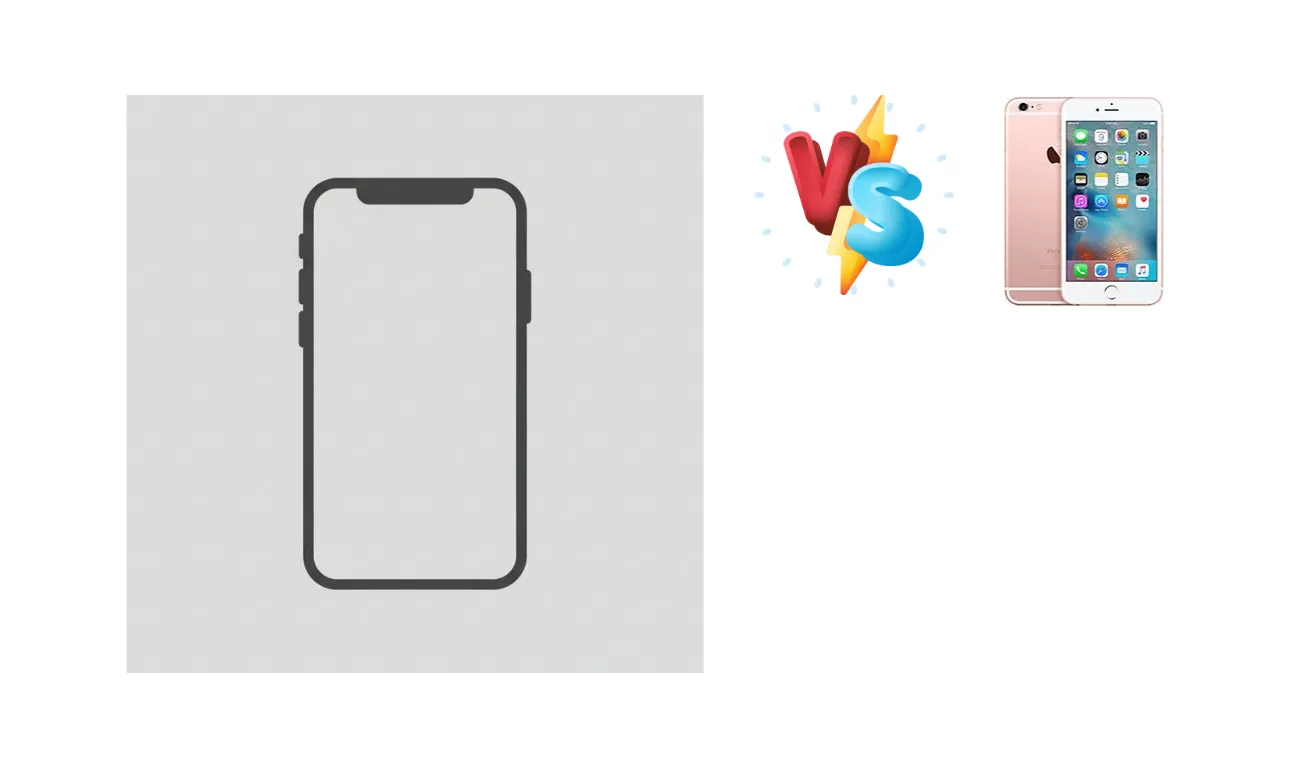
|
🏆 Quick Verdict
The iPhone 6s Plus ultimately wins due to its superior software support, ecosystem integration, and significantly longer battery life. While the Find 7 boasted a stunning display and faster processor on paper, iOS's longevity and Apple's overall polish give it the edge.
| PHONES | ||
|---|---|---|
| Phone Names | Oppo Find 7 | Apple iPhone 6s Plus |
| Network | ||
|---|---|---|
| 2G bands | GSM 850 / 900 / 1800 / 1900 - all models | GSM 850 / 900 / 1800 / 1900 |
| 3G bands | HSDPA 850 / 900 / 1900 / 2100 - international model | HSDPA 850 / 900 / 1700 / 1900 / 2100 |
| 4G bands | 1, 3, 7, 20 - International model | 1, 2, 3, 4, 5, 7, 8, 12, 13, 17, 18, 19, 20, 25, 26, 28, 29, 30 - A1633 |
| Speed | HSPA, LTE | HSPA 42.2/5.76 Mbps, LTE (2CA) Cat6 300/50 Mbps, EV-DO Rev.A 3.1 Mbps |
| Technology | GSM / HSPA / LTE | GSM / CDMA / HSPA / EVDO / LTE |
| LTE 700 / 1700 / 2100 - Mexico & US model | 1, 2, 3, 4, 5, 7, 8, 12, 13, 17, 18, 19, 20, 25, 26, 28, 29, 30, 38, 39, 40, 41 - A1634 | |
| Launch | ||
|---|---|---|
| Announced | 2014, March. Released 2014, May | 2015, September 09. Released 2015, September 25 |
| Status | Discontinued | Discontinued |
| Body | ||
|---|---|---|
| Build | - | Glass front (Corning-made glass), aluminum back, aluminum frame |
| Dimensions | 152.6 x 75 x 9.2 mm (6.01 x 2.95 x 0.36 in) | 158.2 x 77.9 x 7.3 mm (6.23 x 3.07 x 0.29 in) |
| SIM | Micro-SIM | Nano-SIM |
| Weight | 171 g (6.03 oz) | 192 g (6.77 oz) |
| - | Apple Pay (Visa, MasterCard, AMEX certified) | |
| Display | ||
|---|---|---|
| Protection | Corning Gorilla Glass 3 | Ion-strengthened glass, oleophobic coating |
| Resolution | 1440 x 2560 pixels, 16:9 ratio (~534 ppi density) | 1080 x 1920 pixels, 16:9 ratio (~401 ppi density) |
| Size | 5.5 inches, 83.4 cm2 (~72.9% screen-to-body ratio) | 5.5 inches, 83.4 cm2 (~67.7% screen-to-body ratio) |
| Type | IPS LCD | IPS LCD |
| - | 3D Touch display | |
| Platform | ||
|---|---|---|
| CPU | Quad-core 2.5 GHz Krait 400 | Dual-core 1.84 GHz Twister |
| Chipset | Qualcomm MSM8974AC Snapdragon 801 (28 nm) | Apple A9 (14/16 nm - maker dependant) |
| GPU | Adreno 330 | PowerVR GT7600 (six-core graphics) |
| OS | Android 4.3 (Jelly Bean), ColorOS | iOS 9, upgradable to iOS 15.8.5 |
| Memory | ||
|---|---|---|
| Card slot | microSDXC (dedicated slot) | No |
| Internal | 32GB 3GB RAM | 16GB 2GB RAM, 32GB 2GB RAM, 64GB 2GB RAM, 128GB 2GB RAM |
| eMMC 5.0 | NVMe | |
| Main Camera | ||
|---|---|---|
| Features | Dual-LED flash, panorama, HDR | Dual-LED dual-tone flash, HDR |
| Single | 13 MP, f/2.0, 1/3", AF | 12 MP, f/2.2, 29mm (standard), 1/3.0", 1.22µm, PDAF, OIS |
| Video | 4K@30fps, 1080p@60fps, 720p@120fps | 4K@30fps, 1080p@60fps, 1080p@120fps, 720p@240fps |
| Selfie camera | ||
|---|---|---|
| Features | - | Face detection, HDR, panorama |
| Single | 5 MP, f/2.0 | 5 MP, f/2.2, 31mm (standard) |
| Video | - | 720p@30fps |
| Sound | ||
|---|---|---|
| 3.5mm jack | Yes | Yes |
| 35mm jack | - | Yes |
| Loudspeaker | Yes, with stereo speakers | Yes |
| - | 16-bit/44.1kHz audio | |
| Comms | ||
|---|---|---|
| Bluetooth | 4.0, A2DP | 4.2, A2DP, LE |
| NFC | Yes | Yes (Apple Pay only) |
| Positioning | GPS | GPS, GLONASS, GALILEO, QZSS |
| Radio | No | No |
| USB | microUSB 2.0, OTG | Lightning, USB 2.0 |
| WLAN | Wi-Fi 802.11 a/b/g/n/ac, dual-band, DLNA, Wi-Fi Direct, hotspot | Wi-Fi 802.11 a/b/g/n/ac, dual-band, hotspot |
| Features | ||
|---|---|---|
| Sensors | Accelerometer, gyro, proximity, compass | Fingerprint (front-mounted), accelerometer, gyro, proximity, compass, barometer |
| Battery | ||
|---|---|---|
| Charging | 20W wired, 75% in 30 min (advertised) | - |
| Stand-by | - | Up to 384 h (3G) |
| Talk time | - | Up to 24 h (3G) |
| Type | Li-Po 3000 mAh, removable | Li-Ion 2750 mAh, non-removable (10.45 Wh) |
| Misc | ||
|---|---|---|
| Colors | White, Black, Astro Black | Space Gray, Silver, Gold, Rose Gold |
| Models | X9076, X9007 | A1634, A1687, A1690, A1699, iPhone8,2 |
| Price | About 440 EUR | About 240 EUR |
| SAR | - | 1.12 W/kg (head) 1.14 W/kg (body) |
| SAR EU | - | 0.93 W/kg (head) 0.98 W/kg (body) |
| Tests | ||
|---|---|---|
| Audio quality | Noise -93.8dB / Crosstalk -94.4dB | Noise -93.4dB / Crosstalk -71.1dB |
| Battery life | Endurance rating 44h | Endurance rating 85h |
| Camera | Photo / Video | Photo / Video |
| Display | Contrast ratio: 1123:1 (nominal), 1.691 (sunlight) | Contrast ratio: 1382:1 (nominal), 3.530 (sunlight) |
| Loudspeaker | Voice 69dB / Noise 70dB / Ring 75dB | Voice 65dB / Noise 65dB / Ring 64dB |
| Performance | Basemark X: 14968 | Basemark OS II 2.0: 2261 |
Oppo Find 7
- Stunning Quad HD Display
- Faster Processor (initially)
- Quick Charging (20W)
- Good Value (when released)
- Older Android Version
- Shorter Battery Life
- Camera less consistent
- Limited Software Updates
Apple iPhone 6s Plus
- Longer Battery Life
- Excellent iOS Optimization
- Strong Ecosystem Integration
- Consistent Camera Performance
- Better Software Support (historically)
- Older Chipset (compared to some Androids)
- Full HD Display (lower resolution than Find 7)
- Repair Costs
Display Comparison
The Oppo Find 7's 5.5-inch Quad HD (2560 x 1440) display offered exceptional sharpness and a high contrast ratio (1123:1 nominal, 1.691 in sunlight). The iPhone 6s Plus features a 5.5-inch Full HD (1920 x 1080) display with a contrast ratio of 1382:1 (nominal) and 3.530 in sunlight. While the Find 7 had a higher resolution, the iPhone 6s Plus's display exhibited better outdoor visibility.
Camera Comparison
Both phones offer Photo/Video capabilities. The iPhone 6s Plus generally produced more consistent and reliable image quality, particularly in challenging lighting conditions. The Find 7's camera was capable, but often lacked the refinement of Apple's image processing. The iPhone also had better video stabilization.
Performance
The Oppo Find 7's Snapdragon 801 chipset and 2.5 GHz Krait 400 CPU initially provided impressive performance. However, the iPhone 6s Plus's Apple A9 chip (1.84 GHz Twister) and iOS optimization resulted in smoother overall performance and better multitasking, especially considering the age of both devices. iOS is generally more efficient.
Battery Life
This is a significant differentiator. The Oppo Find 7 offered an endurance rating of 44h, which was respectable for its time. However, the iPhone 6s Plus boasts an endurance rating of 85h, providing significantly longer battery life, a crucial factor for modern users.
Buying Guide
The Oppo Find 7 is a good choice for budget-conscious users who prioritize a vibrant display and don't mind an older Android version. The iPhone 6s Plus is ideal for those invested in the Apple ecosystem, seeking reliable performance, and valuing long-term software updates and support.