
Lenovo Legion Y90 vs. ZTE nubia Red Magic 7 Pro: The Ultimate Gaming Phone Battle
| Phones Images | |||||
|---|---|---|---|---|---|
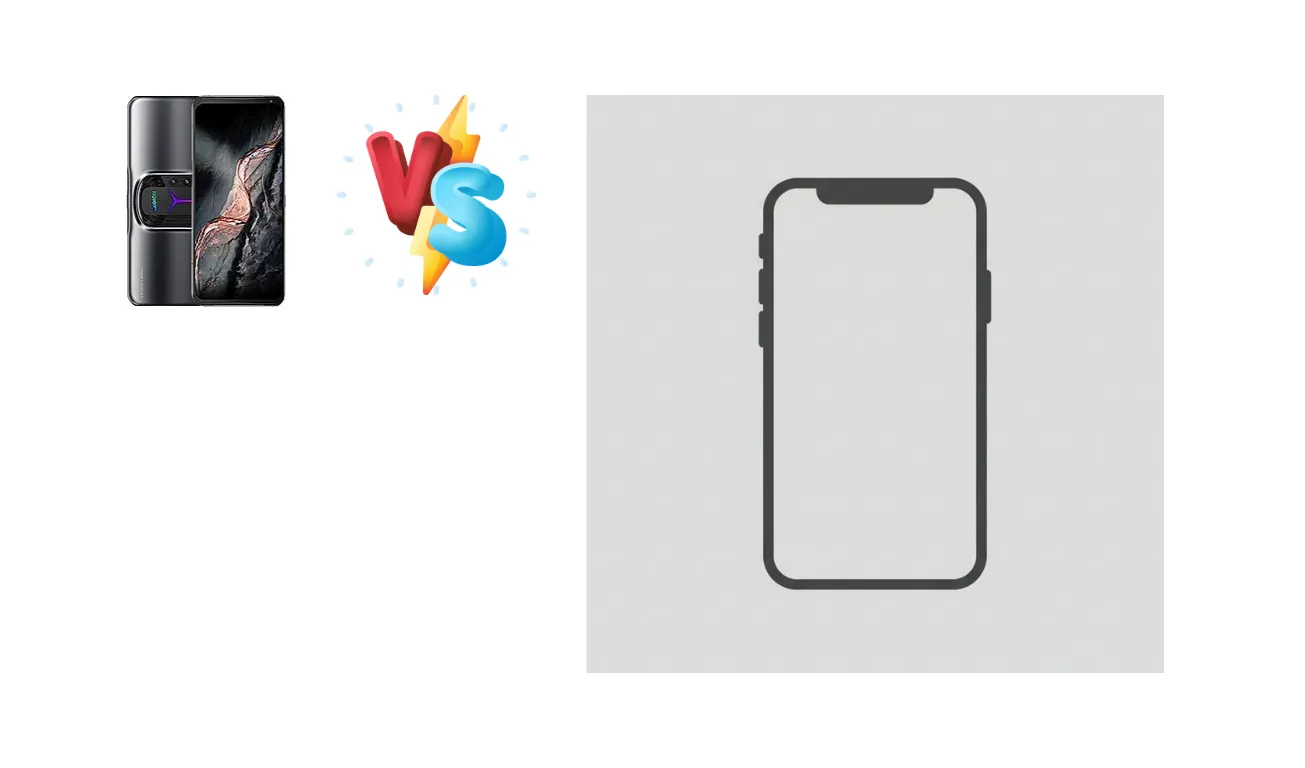
|
🏆 Quick Verdict
The nubia Red Magic 7 Pro takes the crown thanks to its blistering 135W charging (in China) and exceptional battery life. While the Legion Y90 offers a competitive Snapdragon 8 Gen 1, the Red Magic's overall gaming-focused features and charging speed give it the edge.
| PHONES | ||
|---|---|---|
| Phone Names | Lenovo Legion Y90 | ZTE nubia Red Magic 7 Pro |
| Network | ||
|---|---|---|
| 2G bands | GSM 850 / 900 / 1800 / 1900 | GSM 850 / 900 / 1800 / 1900 - SIM 1 & SIM 2 |
| 3G bands | HSDPA 800 / 850 / 900 / 1900 / 2100 | HSDPA 850 / 900 / 1700(AWS) / 1900 / 2100 |
| 4G bands | LTE | 1, 2, 3, 4, 5, 7, 8, 12, 17, 18, 19, 20, 26, 28, 34, 38, 40, 41, 66 - International |
| 5G bands | SA/NSA/Sub6 | 1, 3, 5, 7, 8, 20, 28, 38, 41, 77, 78 SA/NSA - International, China |
| Speed | HSPA, LTE, 5G | HSPA, LTE-A, 5G |
| Technology | GSM / CDMA / HSPA / CDMA2000 / LTE / 5G | GSM / CDMA / HSPA / EVDO / LTE / 5G |
| CDMA2000 1x | 1, 2, 3, 4, 5, 7, 8, 12, 17, 18, 19, 20, 26, 28, 34, 38, 39, 40, 41, 66 - China | |
| Launch | ||
|---|---|---|
| Announced | 2022, March 01 | 2022, February 17 |
| Status | Available. Released 2022, March 10 | Available. Released 2022, February 28 |
| Body | ||
|---|---|---|
| Build | - | Glass front (Gorilla Glass 5), glass back, aluminum frame |
| Dimensions | 177 x 78.4 x 10.1 mm (6.97 x 3.09 x 0.40 in) | 166.3 x 77.1 x 10 mm (6.55 x 3.04 x 0.39 in) |
| SIM | Nano-SIM + Nano-SIM | Dual SIM (Nano-SIM, dual stand-by) |
| Weight | 252 g (8.89 oz) | 235 g (8.29 oz) |
| Built-in two cooling fans RGB light panel (on the back) 4 ultrasonic buttons (Gaming triggers) | Pressure sensitive zones (500Hz touch-sensing) Built-in cooling fan Aviation aluminum middle frame | |
| Display | ||
|---|---|---|
| Protection | - | Corning Gorilla Glass 5 |
| Resolution | 1080 x 2460 pixels (~388 ppi density) | 1080 x 2400 pixels, 20:9 ratio (~387 ppi density) |
| Size | 6.92 inches, 113.7 cm2 (~81.9% screen-to-body ratio) | 6.8 inches, 111.6 cm2 (~87.1% screen-to-body ratio) |
| Type | AMOLED, 144Hz, HDR10+, 1300 nits (peak) | AMOLED, 1B colors (China only), 120Hz, 600 nits |
| Platform | ||
|---|---|---|
| CPU | Octa-core (1x3.00 GHz Cortex-X2 & 3x2.50 GHz Cortex-A710 & 4x1.80 GHz Cortex-A510) | Octa-core (1x3.00 GHz Cortex-X2 & 3x2.50 GHz Cortex-A710 & 4x1.80 GHz Cortex-A510) |
| Chipset | Qualcomm SM8450 Snapdragon 8 Gen 1 (4 nm) | Qualcomm SM8450 Snapdragon 8 Gen 1 (4 nm) |
| GPU | Adreno 730 | Adreno 730 |
| OS | Android 12, ZUI 13 | Android 12, Redmagic 5.0 |
| Memory | ||
|---|---|---|
| Card slot | No | No |
| Internal | 256GB 12GB RAM, 256GB 16GB RAM, 640GB 18GB RAM | 128GB 8GB RAM, 128GB 12GB RAM, 256GB 12GB RAM, 256GB 16GB RAM, 512GB 16GB RAM, 512GB 18GB RAM, 1TB 16GB RAM |
| UFS 3.1 640GB (512GB UFS + 128GB SSD) | UFS 3.1 | |
| Main Camera | ||
|---|---|---|
| Dual | 64 MP, f/1.9, 25mm (wide), 1/1.32", 1.0µm, PDAF 13 MP, 120˚ (ultrawide) | - |
| Features | Dual-LED flash, panorama, HDR | LED flash, HDR, panorama |
| Single | - | 16 MP, f/2.0, 26mm (wide), 1/2.8", 1.22µm, under display |
| Triple | - | 64 MP, f/1.8, 26mm (wide), 1/1.97", 0.7µm, PDAF 8 MP, f/2.2, 120˚, 13mm (ultrawide), 1/4.0", 1.12µm 2 MP, f/2.4, (macro) |
| Video | 8K@24fps, 4K@30/60fps, 1080p@30/60/240fps, gyro-EIS, HDR10+ rec. | 8K@30fps, 4K@30/60fps, 1080p@30/60/120/240fps |
| Selfie camera | ||
|---|---|---|
| Features | HDR | HDR |
| Single | 16 MP | 16 MP, f/2.0, 26mm (wide), 1/2.8", 1.22µm, under display |
| Video | 4K@30/60fps, 1080p@30/60/120fps | 1080p@30/60fps |
| Sound | ||
|---|---|---|
| 3.5mm jack | No | Yes |
| 35mm jack | No | - |
| Loudspeaker | Yes, with stereo speakers | Yes, with stereo speakers |
| - | 32-bit/384kHz audio | |
| Comms | ||
|---|---|---|
| Bluetooth | 5.2, A2DP, LE | 5.2, A2DP, aptX, LE |
| NFC | Yes | Yes |
| Positioning | GPS (L1+L5), GLONASS, GALILEO, BDS, QZSS | GPS (L1+L5), GLONASS, BDS, GALILEO |
| Radio | No | No |
| USB | USB Type-C 3.1 Gen2, USB Type-C 2.0, OTG | USB Type-C 3.0, OTG, accessory connector |
| WLAN | Wi-Fi 802.11 a/b/g/n/ac/6, dual-band, Wi-Fi Direct | Wi-Fi 802.11 a/b/g/n/ac/6e, dual-band, Wi-Fi Direct |
| Features | ||
|---|---|---|
| Sensors | Fingerprint (under display, optical), accelerometer, gyro, proximity, compass | Fingerprint (under display, optical), accelerometer, gyro, proximity, compass |
| Battery | ||
|---|---|---|
| Charging | 68W wired, 100% in 35 min | 135W wired, PD3.0, 100% in 15 min (China) 65W wired, PD3.0 (Global) |
| Type | Li-Po 5600 mAh | Li-Po 5000 mAh, non-removable |
| Misc | ||
|---|---|---|
| Colors | Gray | Obsidian, Pulsar, Supernova |
| Models | L71061 | NX709J |
| Price | About 570 EUR | About 800 EUR |
| Tests | ||
|---|---|---|
| Battery life | - | Endurance rating 64h |
| Camera | - | Photo / Video |
| Display | - | Contrast ratio: Infinite (nominal) |
| Loudspeaker | - | -22.6 LUFS (Excellent) |
| Performance | - | AnTuTu: 1056511(v9) GeekBench: 3845 (v5.1) GFXBench: 77fps (ES 3.1 onscreen) |
Lenovo Legion Y90
- Sleek and more mainstream design
- Competitive Snapdragon 8 Gen 1 performance
- Good display quality
- Less advanced cooling system
- Slower charging speed
- Camera details are limited
ZTE nubia Red Magic 7 Pro
- Blistering fast 135W charging (China) / 65W (Global)
- Exceptional battery life
- Advanced cooling system for sustained performance
- Gaming-focused features
- More specialized and less mainstream design
- Camera is not a primary focus
- Global version has slower charging
Display Comparison
Both phones feature high-refresh-rate AMOLED displays, offering vibrant colors and smooth visuals. The Red Magic 7 Pro boasts a theoretically infinite contrast ratio, suggesting deeper blacks and better overall image quality, though real-world differences might be subtle. The Legion Y90's display is likely very good, but lacks the Red Magic's advertised contrast advantage. Both likely support 120Hz or higher refresh rates.
Camera Comparison
Camera details are sparse for the Legion Y90. The Red Magic 7 Pro's camera is generally considered decent, but not its primary focus. Expect similar performance in typical lighting conditions, but the Red Magic might offer slightly more features or modes geared towards gaming content creation.
Performance
Both devices are powered by the Snapdragon 8 Gen 1, ensuring top-tier performance. However, the Red Magic 7 Pro's advanced cooling system (likely including vapor chamber and multiple heat pipes) should allow it to sustain peak performance for longer periods during intense gaming sessions. The Legion Y90's cooling, while likely adequate, may not be as robust.
Battery Life
The Red Magic 7 Pro's battery life is a significant advantage, boasting an endurance rating of 64 hours. The Legion Y90's battery life is likely good, but won't match the Red Magic's longevity. The Red Magic's charging speed is also dramatically faster, with 135W wired charging (in China) capable of fully charging the phone in just 15 minutes. The Legion Y90's 68W charging is still fast, but considerably slower.
Buying Guide
The Lenovo Legion Y90 is ideal for gamers who prioritize a sleek design and a more mainstream smartphone experience alongside gaming capabilities. The ZTE nubia Red Magic 7 Pro is for hardcore mobile gamers who demand the absolute best in performance, cooling, and charging speed, and don't mind a more specialized design.