
Essential PH-1 vs. iPhone XR: A Detailed Showdown
| Phones Images | |||||
|---|---|---|---|---|---|
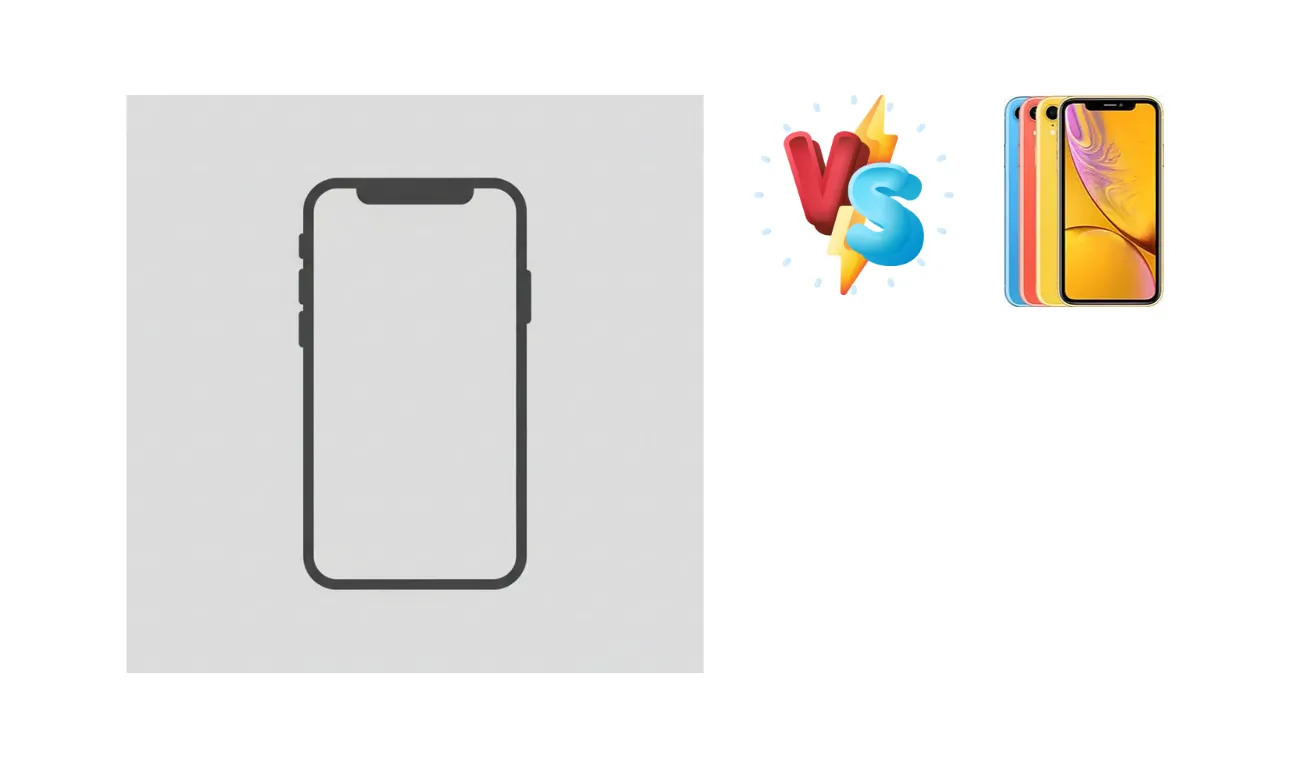
|
🏆 Quick Verdict
The iPhone XR ultimately wins due to its superior software support, longer-term performance, and better camera capabilities. While the Essential PH-1 offered a unique design and powerful hardware at launch, its lack of updates and aging components make the iPhone XR the more practical choice.
| PHONES | ||
|---|---|---|
| Phone Names | Essential PH-1 | Apple iPhone XR |
| Network | ||
|---|---|---|
| 2G bands | GSM 850 / 900 / 1800 / 1900 | GSM 850 / 900 / 1800 / 1900 |
| 3G bands | HSDPA 850 / 900 / 1700(AWS) / 1900 / 2100 & TD-SCDMA | HSDPA 850 / 900 / 1700(AWS) / 1900 / 2100 |
| 4G bands | 1, 2, 3, 4, 5, 7, 8, 11, 12, 13, 17, 20, 21, 25, 26, 28, 29, 30, 38, 39, 40, 41, 42, 43, 66 | 1, 2, 3, 4, 5, 7, 8, 12, 13, 14, 17, 18, 19, 20, 25, 26, 29, 30, 32, 34, 38, 39, 40, 41, 66, 71 |
| Speed | HSPA 42.2/5.76 Mbps, LTE-A (4CA) Cat16 1024/150 Mbps, EV-DO Rev.A 3.1 Mbps | HSPA, LTE, EV-DO Rev.A 3.1 Mbps |
| Technology | GSM / CDMA / HSPA / EVDO / LTE | GSM / CDMA / HSPA / EVDO / LTE |
| CDMA2000 1xEV-DO | CDMA2000 1xEV-DO | |
| Launch | ||
|---|---|---|
| Announced | 2017, May | 2018, September 12. Released 2018, October 26 |
| Status | Available. Released 2017, August | Discontinued |
| Body | ||
|---|---|---|
| Build | Glass front (Gorilla Glass 5), ceramic back, titanium frame | Glass front (Corning-made glass), glass back (Corning-made glass), aluminum frame (7000 series) |
| Dimensions | 141.5 x 71.1 x 7.8 mm (5.57 x 2.80 x 0.31 in) | 150.9 x 75.7 x 8.3 mm (5.94 x 2.98 x 0.33 in) |
| SIM | Nano-SIM | · Nano-SIM + eSIM· Nano-SIM + Nano-SIM (China) |
| Weight | 185 g (6.53 oz) | 194 g (6.84 oz) |
| - | IP67 dust/water resistant (up to 1m for 30 min) Apple Pay (Visa, MasterCard, AMEX certified) | |
| Display | ||
|---|---|---|
| Protection | Corning Gorilla Glass 5 | Scratch-resistant glass |
| Resolution | 1312 x 2560 pixels (~504 ppi density) | 828 x 1792 pixels, 19.5:9 ratio (~326 ppi density) |
| Size | 5.71 inches, 85.4 cm2 (~84.9% screen-to-body ratio) | 6.1 inches, 90.3 cm2 (~79.0% screen-to-body ratio) |
| Type | IPS LCD | Liquid Retina IPS LCD, 625 nits (HBM) |
| Platform | ||
|---|---|---|
| CPU | Octa-core (4x2.45 GHz Kryo & 4x1.9 GHz Kryo) | Hexa-core (2x2.5 GHz Vortex + 4x1.6 GHz Tempest) |
| Chipset | Qualcomm MSM8998 Snapdragon 835 (10 nm) | Apple A12 Bionic (7 nm) |
| GPU | Adreno 540 | Apple GPU (4-core graphics) |
| OS | Android 7.1 (Nougat), upgradable to Android 10 | iOS 12, upgradable to iOS 18.7 |
| Memory | ||
|---|---|---|
| Card slot | No | No |
| Internal | 128GB 4GB RAM | 64GB 3GB RAM, 128GB 3GB RAM, 256GB 3GB RAM |
| - | NVMe | |
| Main Camera | ||
|---|---|---|
| Dual | 13 MP, f/1.9, 1/3.1", PDAF, Laser AF 13 MP B/W, f/1.9, 1/3.1" | - |
| Features | LED flash, HDR | Quad-LED dual-tone flash, HDR (photo/panorama) |
| Single | - | 12 MP, f/1.8, 26mm (wide), 1/2.55", 1.4µm, PDAF, OIS |
| Video | 4K@30fps, 1080p@60fps, 720p@120fps | 4K@24/30/60fps, 1080p@30/60/120/240fps, HDR, stereo sound rec. |
| Selfie camera | ||
|---|---|---|
| Features | - | HDR |
| Single | 8 MP, f/2.2 | 7 MP, f/2.2, 32mm (standard) SL 3D, (depth/biometrics sensor) |
| Video | 4K@30fps | 1080p@60fps |
| Sound | ||
|---|---|---|
| 3.5mm jack | No | No |
| 35mm jack | - | No |
| Loudspeaker | Yes, with dual speakers | Yes, with stereo speakers |
| Comms | ||
|---|---|---|
| Bluetooth | 5.0, A2DP, EDR, LE | 5.0, A2DP, LE |
| NFC | Yes | Yes |
| Positioning | GPS, GLONASS | GPS, GLONASS, GALILEO, QZSS |
| Radio | No | No |
| USB | USB Type-C 2.0 | Lightning, USB 2.0 |
| WLAN | Wi-Fi 802.11 a/b/g/n/ac, dual-band, Wi-Fi Direct | Wi-Fi 802.11 a/b/g/n/ac, dual-band, hotspot |
| Features | ||
|---|---|---|
| Sensors | Fingerprint (rear-mounted), accelerometer, gyro, proximity, compass, barometer | Face ID, accelerometer, gyro, proximity, compass, barometer |
| Snap-on accessories (optional) | - | |
| Battery | ||
|---|---|---|
| Charging | 27W wired, PD2.0 | 15W wired, PD2.0, 50% in 30 min Wireless (Qi) |
| Type | Li-Ion 3040 mAh, non-removable | Li-Ion 2942 mAh, non-removable (11.16 Wh) |
| Misc | ||
|---|---|---|
| Colors | Stellar Gray, Ocean Depths, Black Moon, Pure White | Black, Red, Yellow, Blue, Coral, White |
| Models | PH-1 | A2105, A1984, A2107, A2108, A2106, iPhone11,8 |
| Price | About 330 EUR | About 150 EUR |
| SAR | - | 1.13 W/kg (head) 1.16 W/kg (body) |
| SAR EU | - | 0.99 W/kg (head) 0.99 W/kg (body) |
| Tests | ||
|---|---|---|
| Battery life | - | Endurance rating 78h |
| Performance | GeekBench: 6490 (v4.4) GFXBench: 16fps (ES 3.1 onscreen) | AnTuTu: 341196 (v7), 422465 (v8) GeekBench: 11437 (v4.4), 2690 (v5.1) GFXBench: 58fps (ES 3.1 onscreen) |
Essential PH-1
- Unique design
- Clean Android experience
- Powerful Snapdragon 835 (at launch)
- Fast charging (27W)
- Limited software updates
- Aging hardware
- Inferior camera compared to iPhone XR
- Smaller display
Apple iPhone XR
- Excellent performance (A12 Bionic)
- Superior camera quality
- Long-term software support (iOS)
- Good battery life
- Wireless charging (Qi)
- LCD display (compared to OLED alternatives)
- Relatively basic design
- Charging speed slower than Essential PH-1
Display Comparison
The iPhone XR features a 6.1-inch Liquid Retina LCD display, offering vibrant colors and good viewing angles. The Essential PH-1 has a 5.9-inch LTPS IPS LCD display with a 18:9 aspect ratio. While both are decent, the iPhone XR's display generally provides a slightly better viewing experience due to Apple's color calibration and brightness.
Camera Comparison
The iPhone XR's single 12MP rear camera excels in various lighting conditions, producing detailed and vibrant photos. It also benefits from Apple's computational photography. The Essential PH-1 has a dual 13MP camera setup, but its image quality is noticeably inferior, especially in low light. The iPhone XR also has better video recording capabilities.
Performance
The iPhone XR's A12 Bionic chip significantly outperforms the Essential PH-1's Snapdragon 835. The A12's 7nm process and optimized architecture deliver faster processing speeds and better power efficiency. While the Snapdragon 835 was flagship-level at the time, it struggles to keep up with modern iOS demands.
Battery Life
Both phones boast impressive battery life, with the iPhone XR achieving an endurance rating of 78 hours. The Essential PH-1 also has a respectable battery life, though it's likely diminished with age. The iPhone XR's charging speeds are also faster with PD 2.0 support.
Buying Guide
The Essential PH-1 is best for Android enthusiasts who appreciate a clean UI and don't mind a device with limited software updates. The iPhone XR is ideal for users seeking a reliable, user-friendly smartphone with excellent camera performance and access to Apple's ecosystem.