Apple's Defining Year: A Look Back at 2025's Triumphs and Setbacks
The year 2025 marked a period of significant achievement and unexpected challenges for Apple, shaping its trajectory in the fiercely competitive tech landscape. Fresh off one of its most robust performances in recent memory, Apple successfully unseated its long-standing rival, Samsung, to claim the title of the world’s leading smartphone vendor—a feat not accomplished in over a decade, largely propelled by the phenomenal success of the iPhone 17 series.
Beyond smartphone dominance, Apple further solidified its commanding lead in the ARM chipset arena with the introduction of the groundbreaking M5 chip. This powerful silicon seamlessly integrated across a diverse range of its ecosystem, from the latest iPads and MacBooks to the significantly updated Vision Pro, showcasing Cupertino's unparalleled chip design prowess.
Apple iPhone 15 concept with four rear cameras.
Furthermore, the highly anticipated AirPods Pro 3 arrived to widespread acclaim, delivering class-leading noise cancellation and meaningful enhancements across the board, building upon the already stellar foundation of its predecessor. However, not all ventures were met with success. Apple, known for its bold innovation, also took calculated risks that ultimately faltered, most notably with the ambitious but ultimately misguided iPhone Air. Compounding these missteps, the rollout of Apple Intelligence remained notably incomplete, and the promised, comprehensively overhauled Siri assistant was conspicuously absent from the year's offerings.
This report delves into what Apple undoubtedly got right in 2025 and where its ambitious strategies unfortunately fell short.
Winner: The Game-Changing iPhone 17 Series
True to Apple’s signature philosophy, the iPhone 17 series masterfully refined its core formula, arguably perfecting the smartphone experience for a vast user base. From a pure sales perspective, the foundational iPhone 17 emerged as an unprecedented powerhouse, demonstrating extraordinary market appeal. Its undeniable success can be attributed to a suite of long-awaited upgrades that positioned it as arguably the most compelling device in Apple’s entire 2025 lineup.
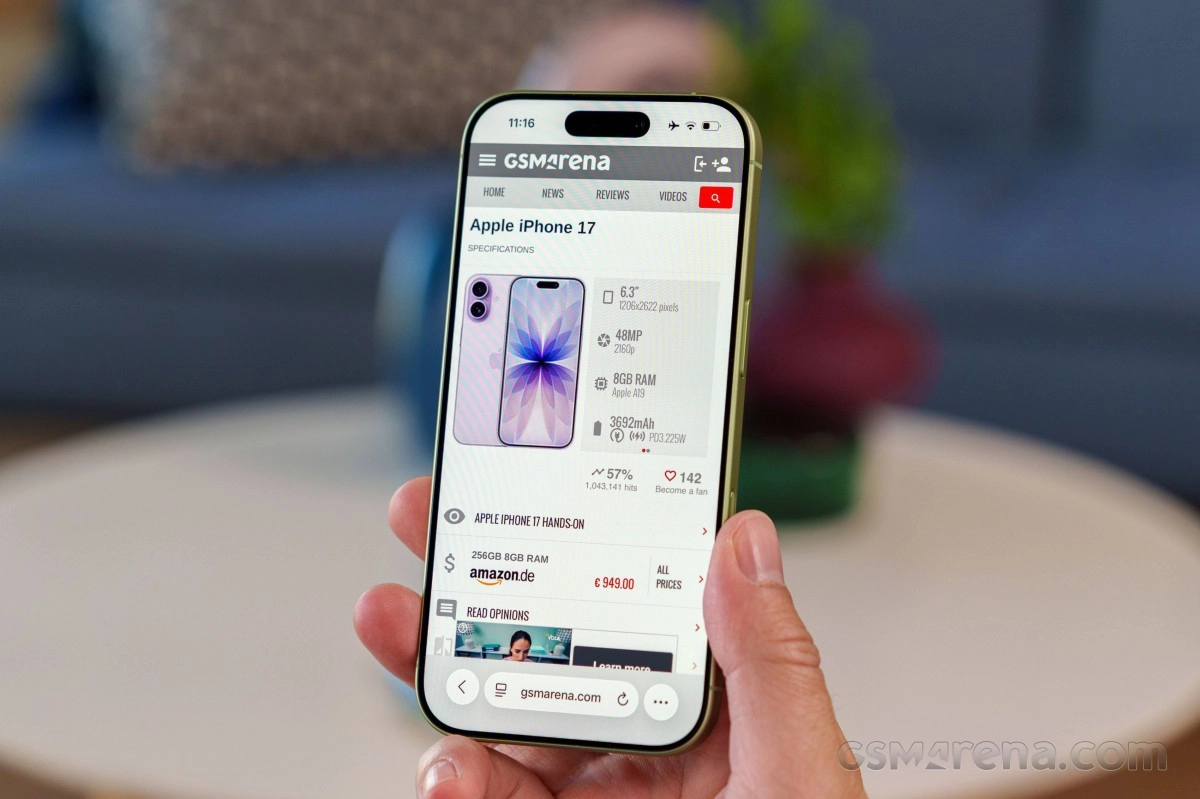
iPhone 17 specs on GSMArena website
The long-overdue integration of a ProMotion display, paired with a sophisticated 18MP multi-aspect selfie camera, the cutting-edge A19 chipset, and a generous 256GB of base storage, made the iPhone 17 an effortless recommendation for consumers seeking premium features. Crucially, this advanced offering maintained the same accessible starting price as its forerunner, delivering exceptional value.
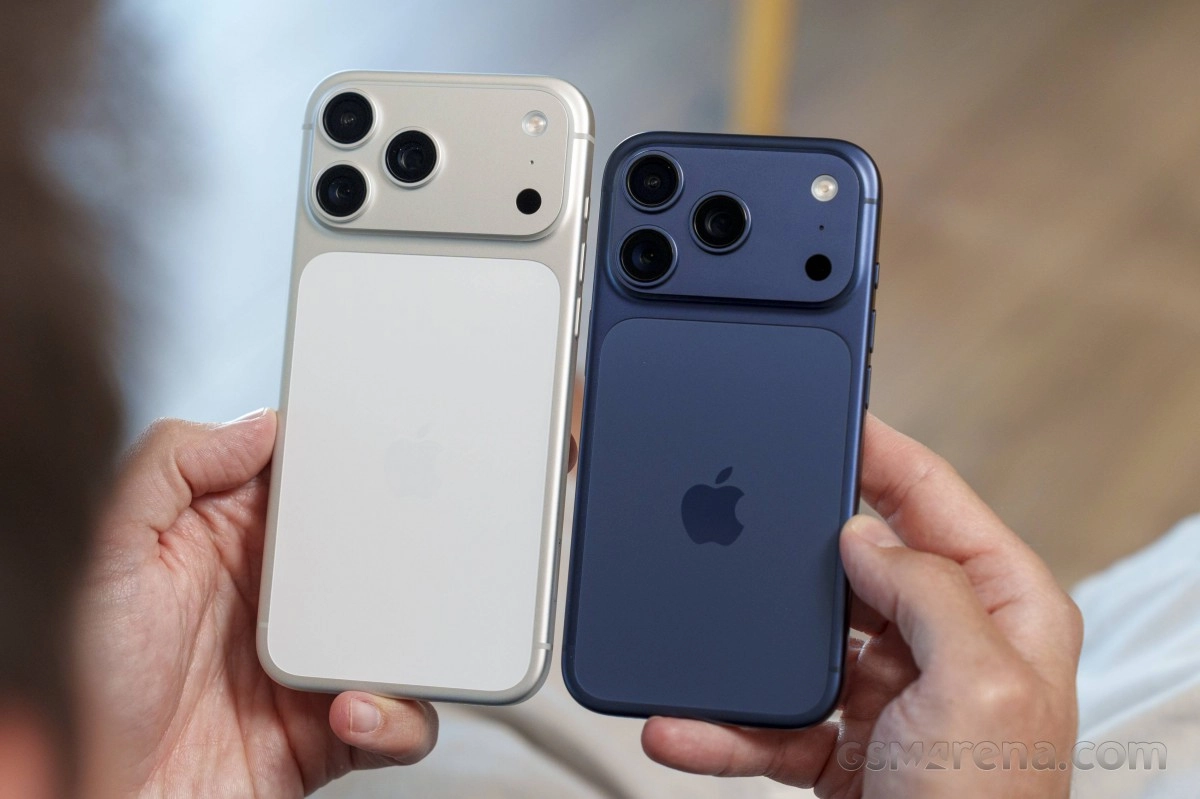
Two iPhones shown side-by-side, silver and blue.
Stepping into the professional tier, the iPhone 17 Pro and 17 Pro Max introduced a daring, albeit somewhat controversial, new design language complemented by striking new orange and dark blue color options. These models proudly debuted as the first iPhones to feature dedicated vapor chamber cooling systems, a significant engineering leap. Further enhancing their flagship status were updated 48MP periscope telephoto cameras, substantially larger batteries specifically in the eSIM variants, and a robust 12GB of RAM as standard. The iPhone 17 models unequivocally proved to be instant winners, playing a pivotal role in extending Apple’s lead at the apex of smartphone shipment charts across all major global markets.
Loser: The Flawed iPhone Air
Despite immense hype and anticipation leading up to its debut, the iPhone Air proved to be a monumental commercial misstep—a rare occurrence for the Cupertino tech giant. It became clear that consumers were largely unwilling to invest flagship-level funds in a device whose primary selling proposition revolved around its extreme thinness and lightness.
Don’t misunderstand; the iPhone Air was an impressive engineering marvel, boasting top-tier build quality, an outstanding display, and a powerful A19 Pro chipset. However, the critical compromises made in its camera system, the inclusion of only a mono speaker, and particularly its disappointing battery life proved to be significant drawbacks that simply weren't justifiable for its premium price point. This disconnect resonated deeply with consumers, resulting in notably poor shipment figures.
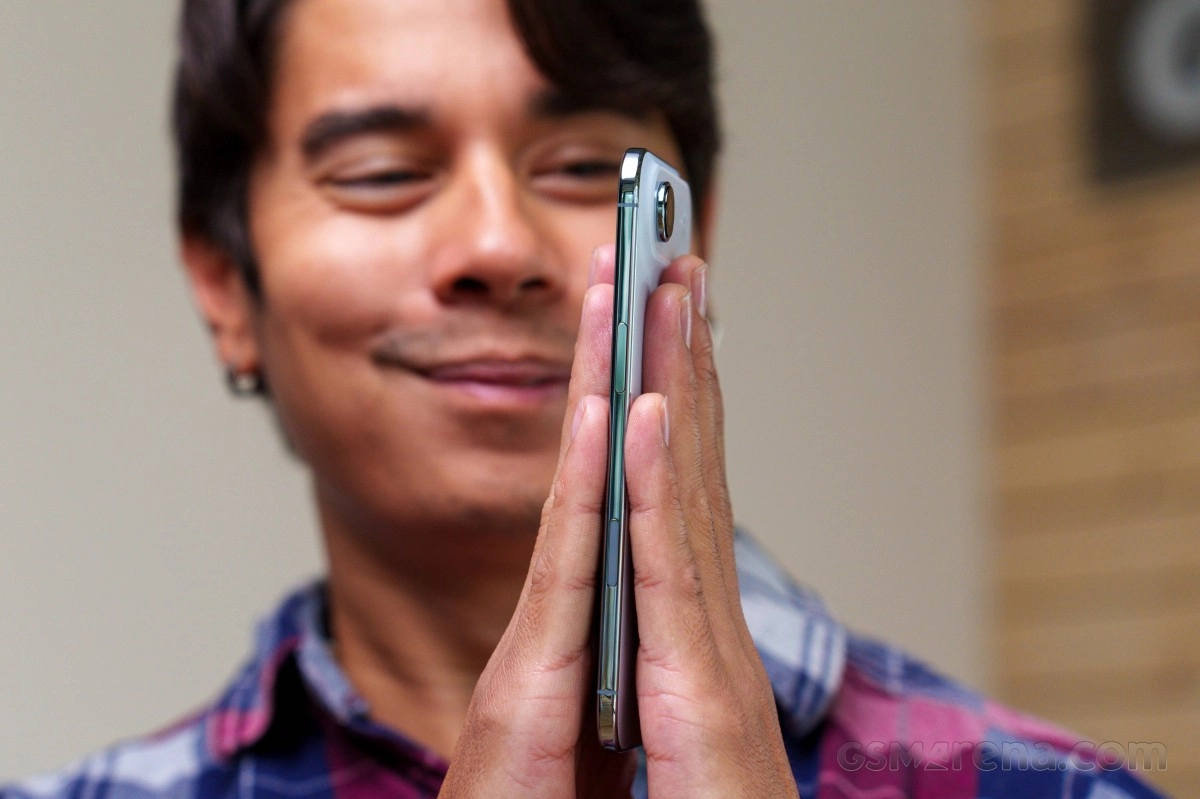
Man holding phone, smiling, 2025 Apple article
Reports and industry indications suggest that Apple has no immediate plans for an iPhone Air successor, with its resale value plummeting at a record pace. Furthermore, the key designer associated with the Air's development has reportedly departed the company, and the entire situation has seemingly deterred rival manufacturers from pursuing their own ultra-thin smartphone concepts.
Loser: The Confusing iPhone 16e
While the iPhone Air captured headlines as the year's most prominent flop, Apple also introduced another curiously positioned device in the form of the iPhone 16e. Priced at $599, Apple sought a premium valuation for what was essentially a smartphone constructed predominantly from recycled components of previous iPhone generations, conspicuously lacking many expected modern features.
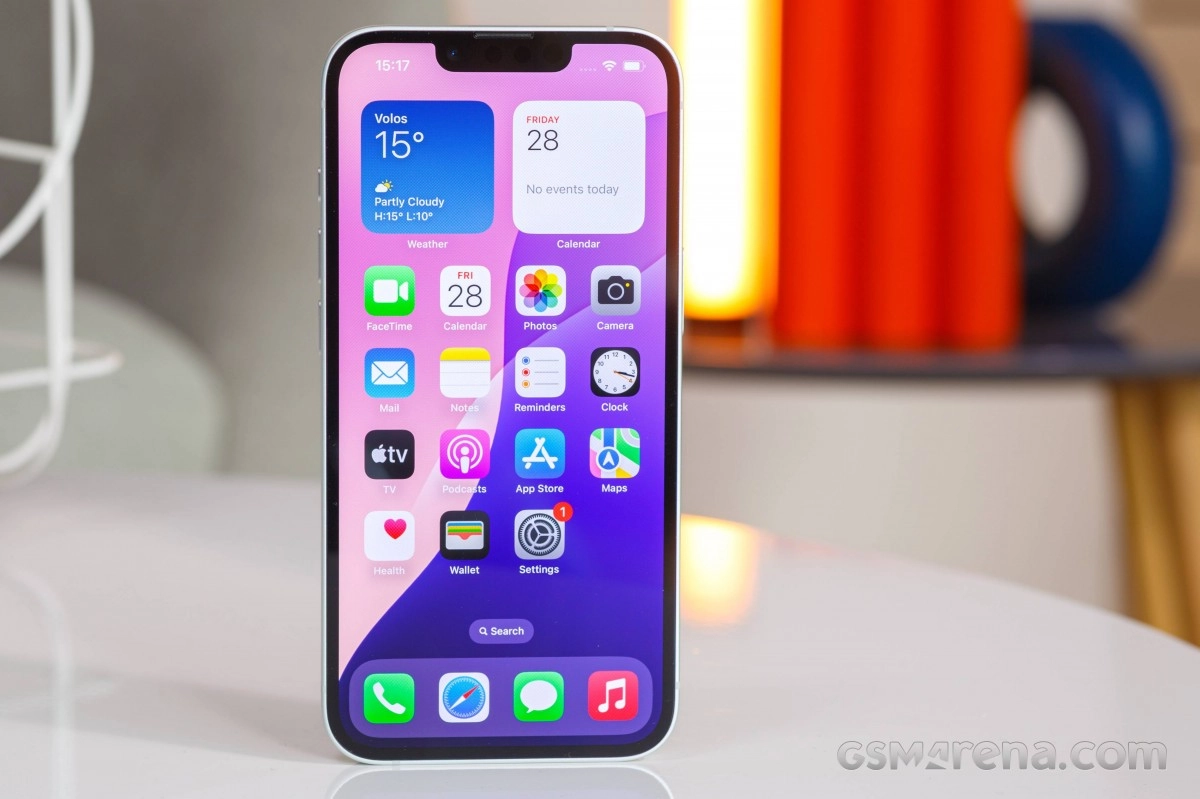
iPhone screen displaying weather, calendar, and app icons.
Much like the Air, the 16e featured a single 48MP camera, but with an even smaller sensor and notably absent sensor-shift OIS. In stark contrast to the Air’s expansive 6.5-inch Super Retina XDR OLED display with 120Hz ProMotion, the 16e was saddled with a more modest 6.1-inch 60Hz OLED, retaining the older notch design, thicker bezels, and no Always-On Display (AOD) functionality.
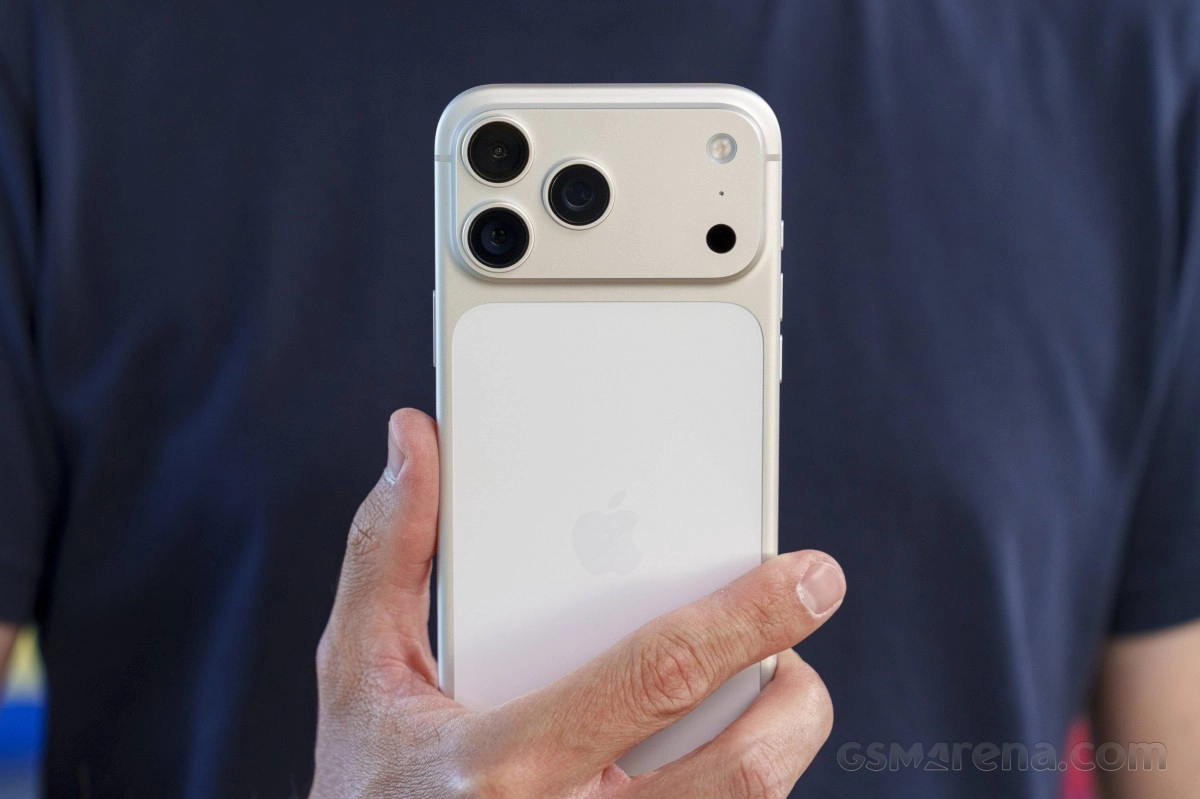
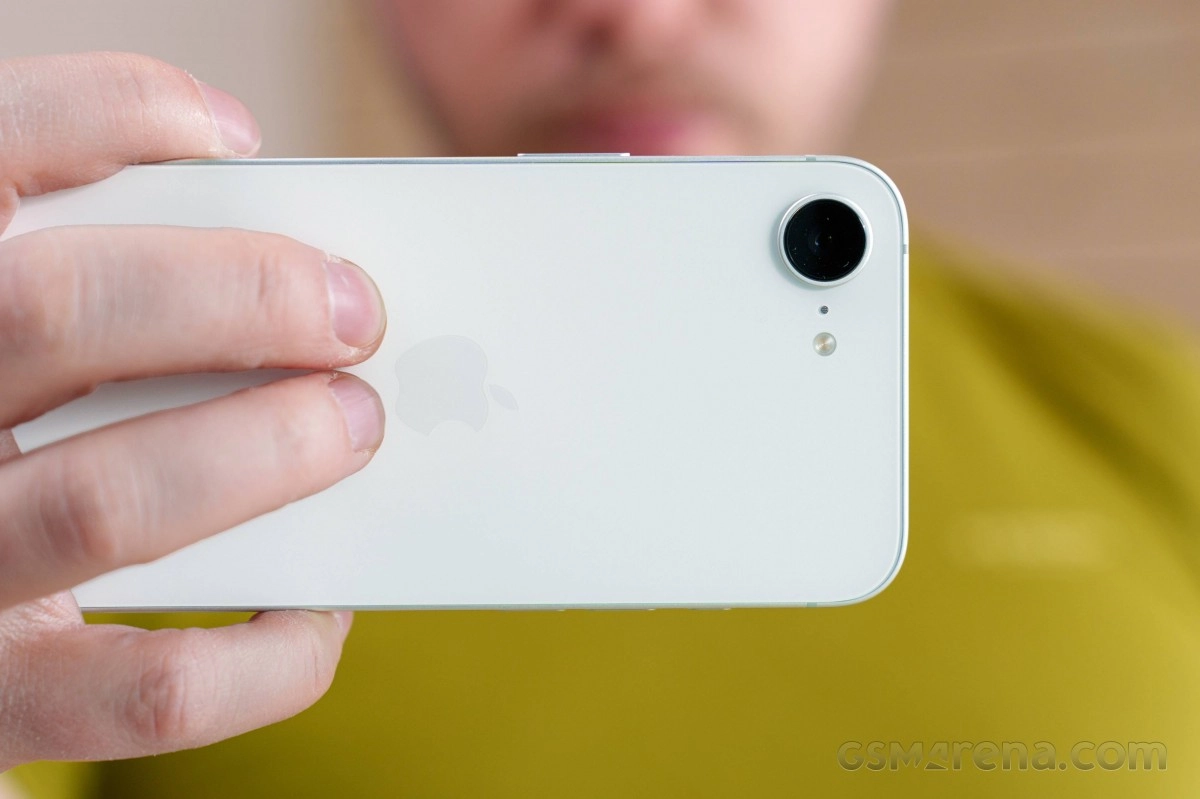
Close up of white iPhone with Apple logo
Perhaps the most significant grievance concerning the 16e was the inexplicable omission of MagSafe, a core feature consistently present on every new iPhone for the past five years. Adding to the disappointment, Apple missed an opportunity to inject some vibrant personality into its most affordable phone, instead offering it solely in uninspired black or white finishes.
Winner: MacBook Pro 14 with M5 Chip
The latest generation 14-inch MacBook Pro stands out as a strong contender for the definitive laptop purchase of the year. It commendably retains all the exceptional qualities of its predecessor, including its impeccable premium build quality, the professional-grade Liquid Retina XDR display, and its robust 72.4Wh battery cell. However, the true catalyst that unlocked its full, immense potential was the revolutionary Apple M5 chip.
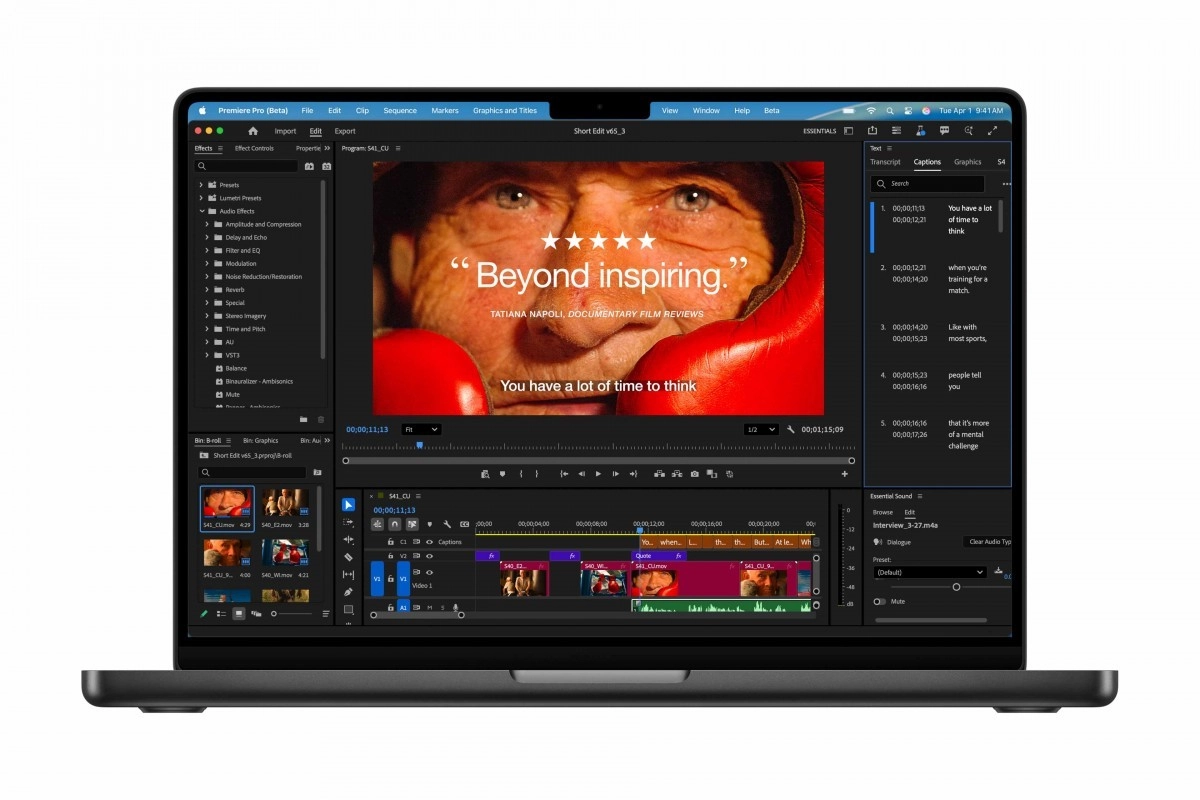
Laptop showing Premiere Pro video editing software.
While a superficial glance at core counts and clock speeds might not suggest a radical overhaul, the M5 chip represents a monumental leap forward in Apple silicon. It delivered substantial performance gains over its predecessor, particularly on the GPU front, boasting an impressive 45% improvement in graphics performance, complemented by the integration of a Neural Accelerator within each GPU core.
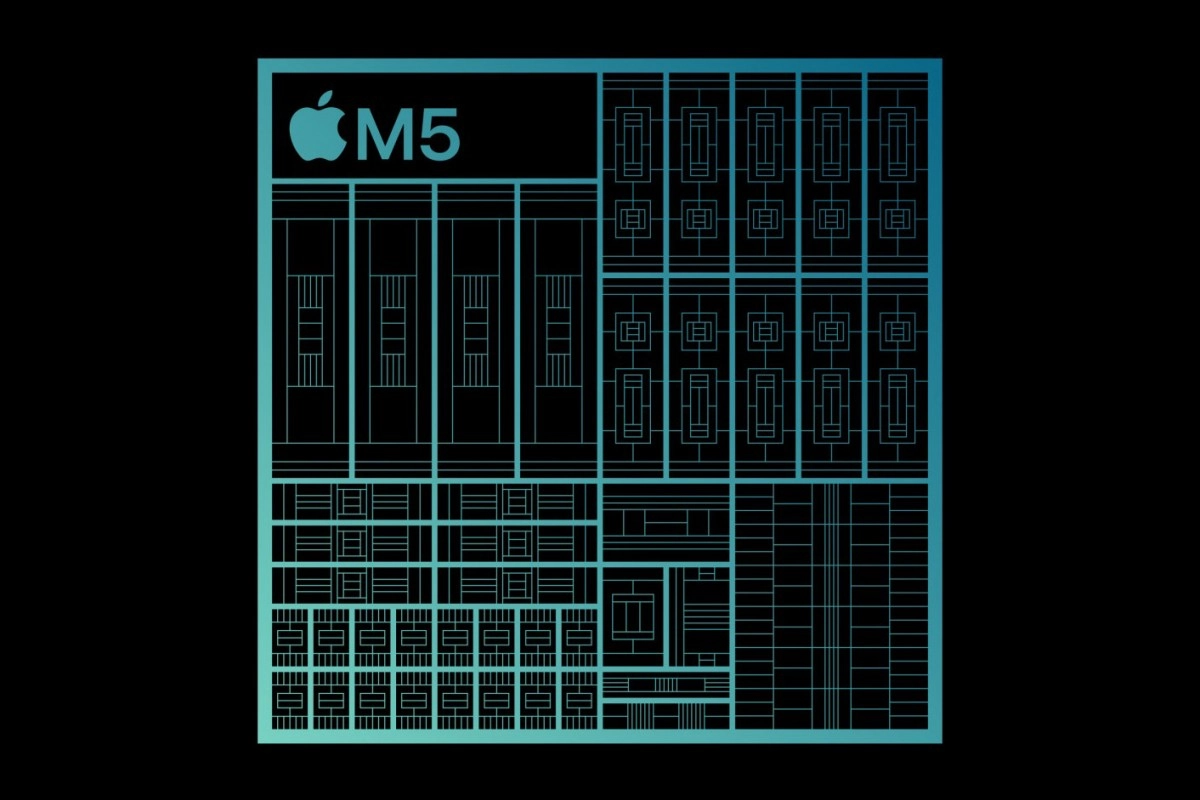
Apple M5 chip schematic on black background
These advancements were further bolstered by a 30% increase in memory bandwidth and a notable 15% bump in CPU multithread performance. Perhaps the most remarkable achievement was the sustained battery life, which remained consistently excellent across both generations, even in the face of such significant performance enhancements.
Loser: Apple Intelligence and the Elusive Siri 2.0
Making its appearance on the "losers" list for the second consecutive year is a clear indicator of the profound underperformance of Apple Intelligence. While some of its core features did eventually reach consumers in 2025, the same cannot be said for the long-promised, smarter Siri assistant, which now remains over two years overdue.
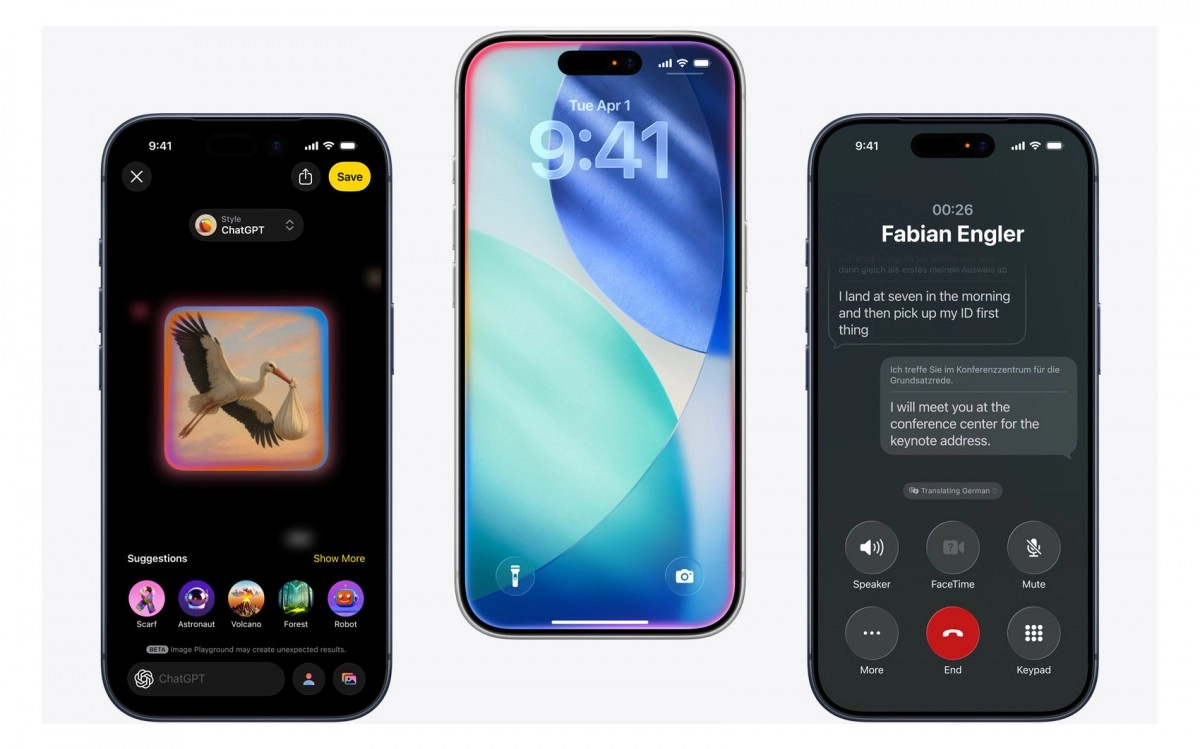
Three iPhones showing ChatGPT and FaceTime features.
Apple’s ventures into artificial intelligence have been consistently difficult to commend. Persistent rumors suggest that Cupertino, in a surprising move, has entrusted none other than Google and its powerful Gemini models to power the next iteration of Siri. As the saying goes: if you can't beat them, perhaps it's wise to leverage their superior AI models.
Winner: AirPods Pro 3 - Elevating the Audio Experience
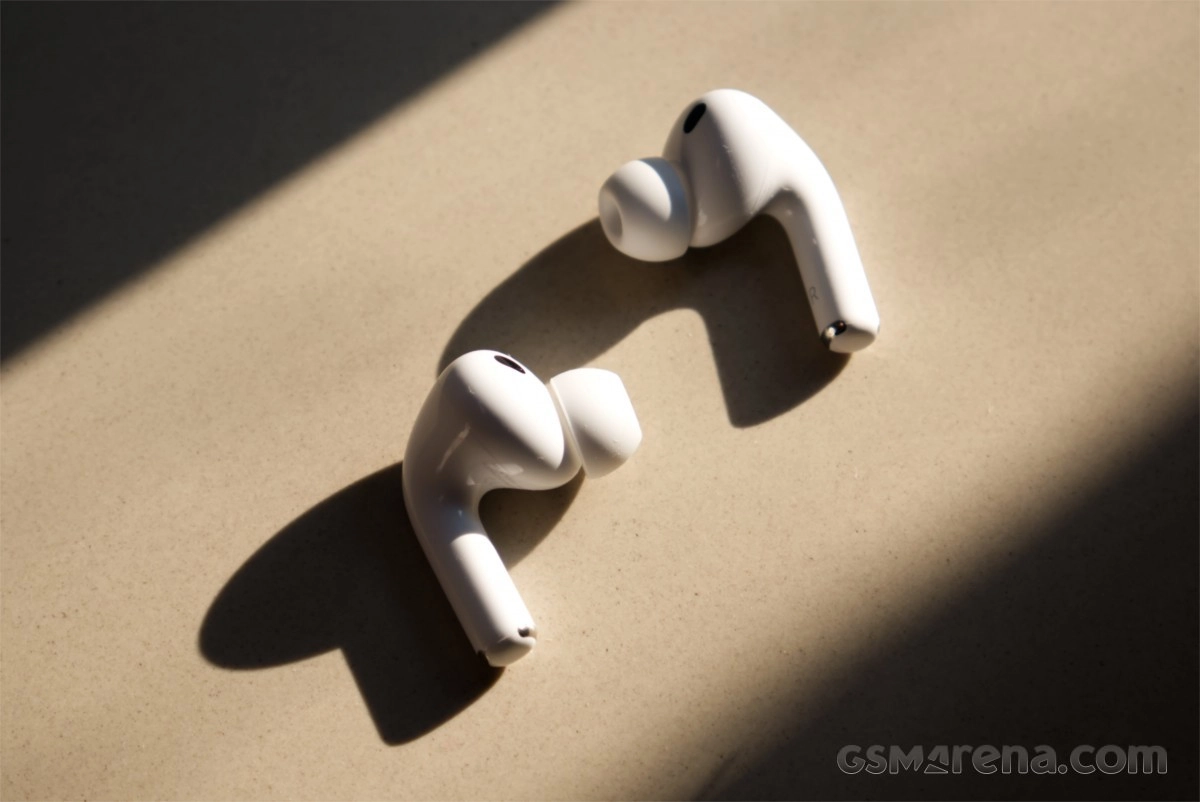
The AirPods Pro 3 arrived on the scene as the highly anticipated successor to the AirPods Pro 2, which were already widely regarded as among the finest wireless earbuds available. As confirmed in numerous reviews, the Pro 3 sets a new benchmark, delivering truly best-in-class noise cancellation and transparency modes. Beyond superior audio quality, they also offered excellent microphone performance and introduced a suite of genuinely useful health and workout tracking features, further solidifying their position as a premium audio accessory.
Apple AirPods Pro cast shadows in sunlight.Source

0 Responses Write a Response